CPW pausing wolf releases, exploring translocations for winter 2026-27

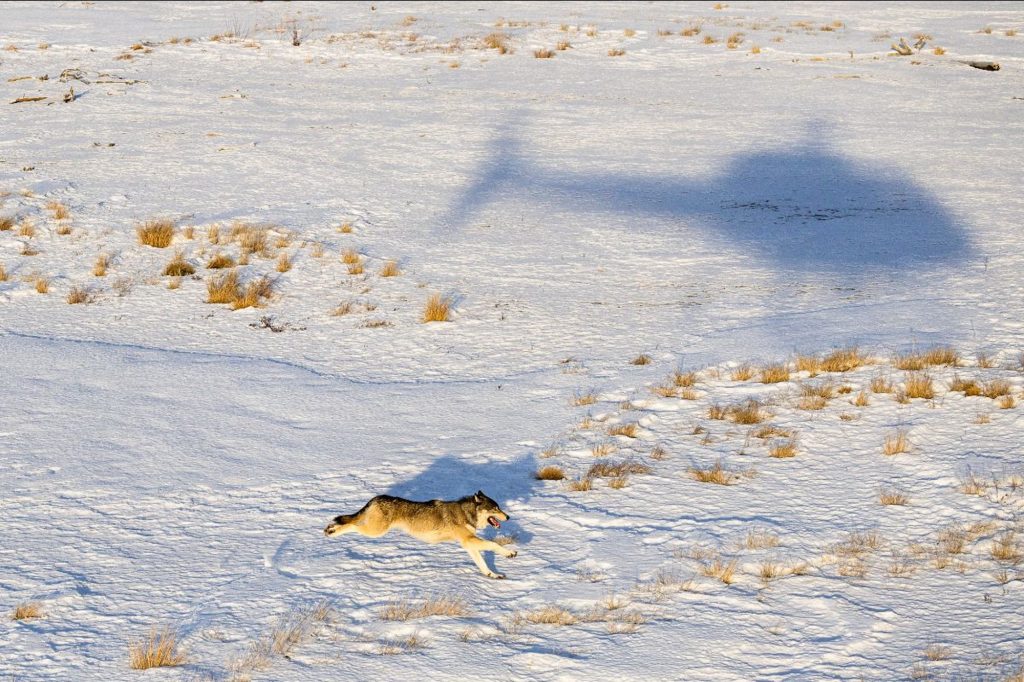
Wolf-RFP-012626
Colorado Parks and Wildlife announced on Jan. 21 that the agency has no plans to release additional wolves, though options will be explored for translocations in winter of 2026-27.
Colorado Cattlemen’s Association acknowledged the agency’s announcement and said they view this decision as a constructive step that reflects the need for the state to pause and address the ongoing concerns raised by livestock producers and rural communities. Listening to those most directly affected is essential as Colorado continues to navigate wolf management.
However, the absence of releases this season does not eliminate the challenges producers face today. Wolves remain on the landscape, and livestock producers continue to experience real and ongoing impacts.
During this interim period, CCA urges the state to focus on practical, producer-driven solutions, including:
Clear and workable lethal take authority when livestock are threatened or attacked
Timely, fair, and comprehensive compensation for confirmed and probable livestock losses
Continued direct engagement with producers to address conflicts, management gaps, and on-the-ground realities
“A pause in releases must not mean a pause in action,” said Curt Russell, president of the Colorado Cattlemen’s Association. “Producers are living with wolves today, and effective management tools, compensation, and responsiveness from the state are critical during this period.”
Russell said CCA has been requesting a pause in releases to allow the agency to address the challenges of the program on the ground. He said the requests have been made to the CPW Commission and the commission has refused to consider the petitions thus far.
“Now, because they haven’t been able to source wolves anywhere outside of Canada and U.S. Fish and Wildlife has stopped them from doing that, they didn’t really have much choice about doing any releases this winter,” he said. “We hope they take that time between now and possibly next winter, to come up with better solutions for handling depredating wolves and concentrate on fulfilling the plan that they haven’t fulfilled by catching and re-releasing depredating wolves.”
He’s hopeful the pause will allow livestock producers affected more time to have loss control measures in place to deter wolves and that it will allow the state to catch up on loss payments to livestock producers after confirmed losses and claims far outpaced the budgeting funds.
According to a statement by CPW, they will continue to work with producers to implement the tactics outlined in the Wolf-Livestock Conflict Minimization Program Guide and build on significant conflict mitigation milestones this year.
2025 MILESTONES
Partnering with Colorado Department of Agriculture to establish the Colorado Range Riding program to meet the needs of producers during their open ranging seasons when additional human presence is needed to help minimize conflict,
Hiring a Wolf Damage and Conflict Minimization Manager who will oversee compensation for wolf damage as well as the Colorado Range Riding program which is slated to expand in 2026,
Bringing on additional wildlife damage specialists to supplement the efforts of district wildlife managers and other regional staff by investigating suspected wolf depredations among other types of damage such as that caused by bears, mountain lions and various ungulates,
Expansion of the conflict minimization hard tool stockpile at CPW disposal, which includes approximately 45 miles of fladry (the electrified flag-line fencing used to deter wolves) along with more than 160 sound-and-light scare devices ready for deployment,
Completing more than 240 site assessments,
Continuing to build upon CPW’s decades-long history of investigating and preventing livestock conflicts through a dedicated interagency training held in October.
The impact of no additional releases is dependent on several factors, including wolf survival and reproduction. CPW has confirmed successful reproduction in four packs and its staff is working to determine how many pups made it through the summer and will be successfully recruited into the population. Female gray wolves give birth to an average litter of four to six pups.
“When populations are small, the contributions of each individual is especially significant. It is not possible to predict the impact of foregoing a third year of translocations without knowing what may occur in the coming year. If mortality remains high, as observed in 2025, the risk of failing to achieve a self-sustaining wolf population in Colorado increases, potentially requiring additional resources to address,” said CPW Wolf Program Manager Eric Odell.
WOLF DEAD
One day prior to the announcement, the agency announced the death of the 11th wolf in the state. In a statement, they said they were alerted to the mortality of female gray wolf 2504 on Jan. 16, 2026. The agency has confirmed the mortality took place in northwest Colorado.
As a federally listed species under the Endangered Species Act, the U.S. Fish and Wildlife Service is investigating this mortality.
A final determination of the cause of death will not be made until the investigation is completed, including the necropsy, a foundational component of the overall investigation process. 2504 was part of the group of wolves translocated to Colorado from British Columbia in January 2025.
CPW will continue to make all management decisions on a case-by-case basis after evaluating the circumstances, the Colorado Wolf Restoration and Management Plan, and relevant law.
CCA stands behind the continued need for strong U.S. Fish and Wildlife Service oversight of the current program to ensure all requirements and commitments outlined in the MOA are fully met. The association remains committed to working with state agencies, policymakers, and stakeholders to ensure wolf management policies protect livestock producers, respect private property rights, and reflect the realities of agriculture on the ground.