Israeli dairy farmer recalls morning farm was attacked
Israel4
An Israeli dairy farm manager whose farm was attacked on the morning of Oct. 7 has described the efforts he took to save his family and the farm workers.
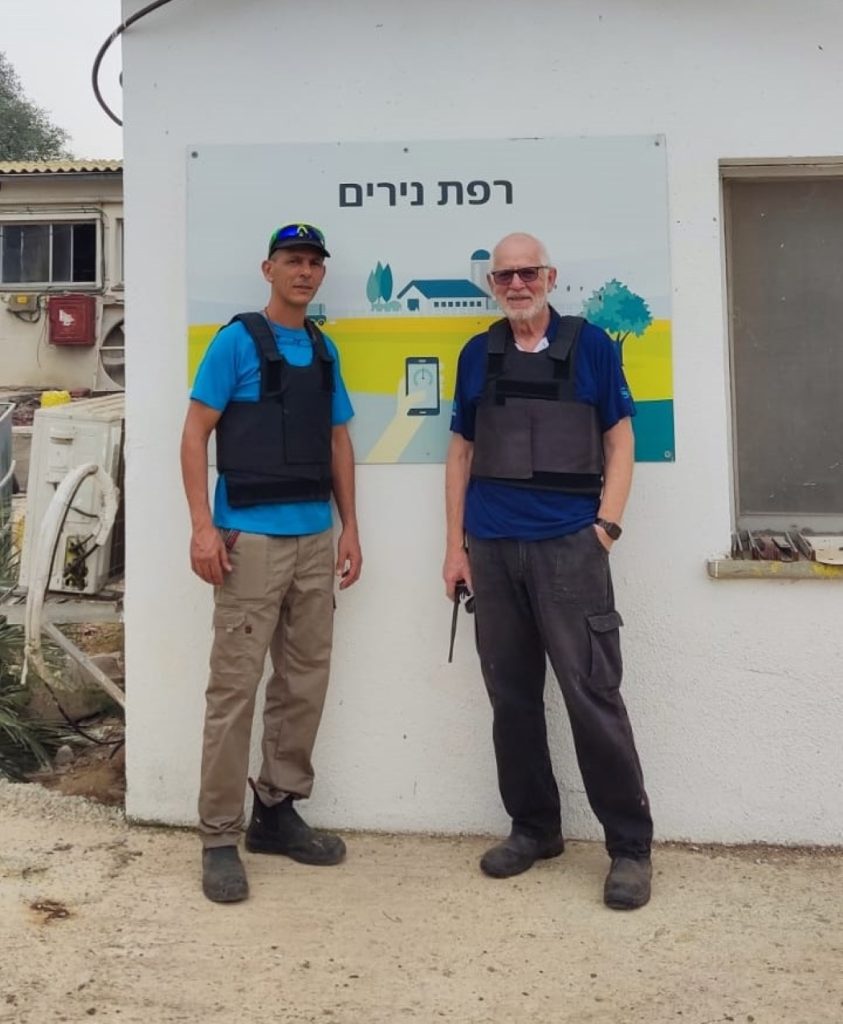
For the past 29 years, Marcelo Waffer has been the manager of the Nirim kibbutz farm, which is situated just 1.8 kilometers from the Israel border with Gaza.
This is just one of the typical dairy farms in the region, home to 700 Holstein cattle, with 340 of them forming the main milking herd.
Waffer and his team normally milk the cows three times per day with each cow yielding 40 liters per day.
DAY OF THE ATTACK
However, that has changed since the farm came under attack.
Waffer said: “During the morning of the Hamas attack the sirens in the kibbutz starting going off at 6.20 a.m. These sirens are there to warn us so I immediately told my family to go to the bomb shelter.
“My son, daughter and my 9-month-old grandson were visiting that morning, so we all urgently went to the shelter to take cover.
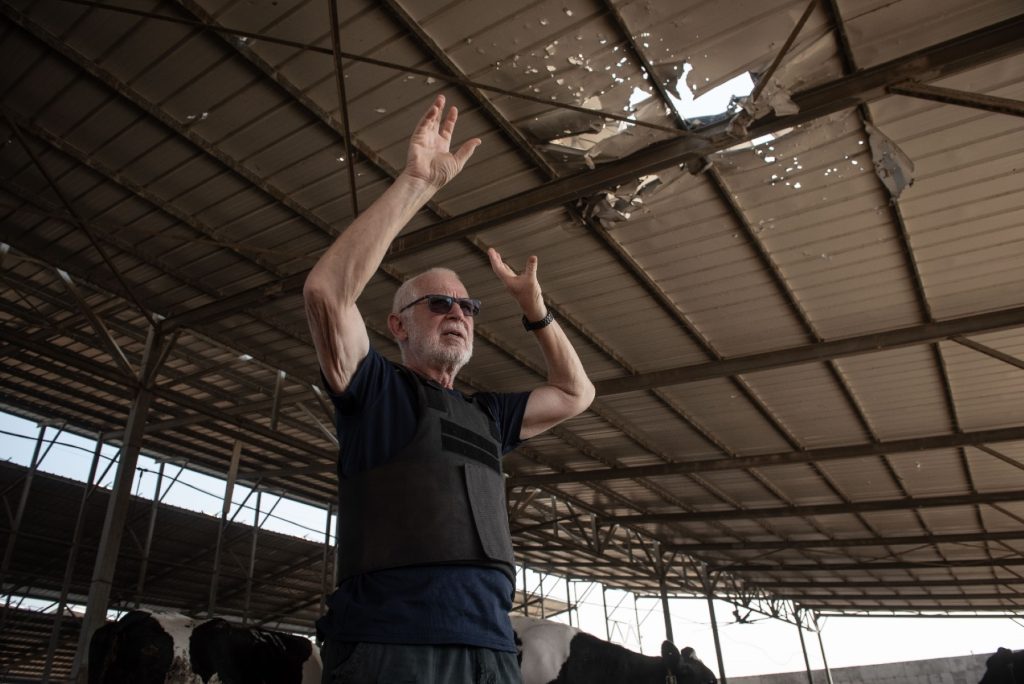
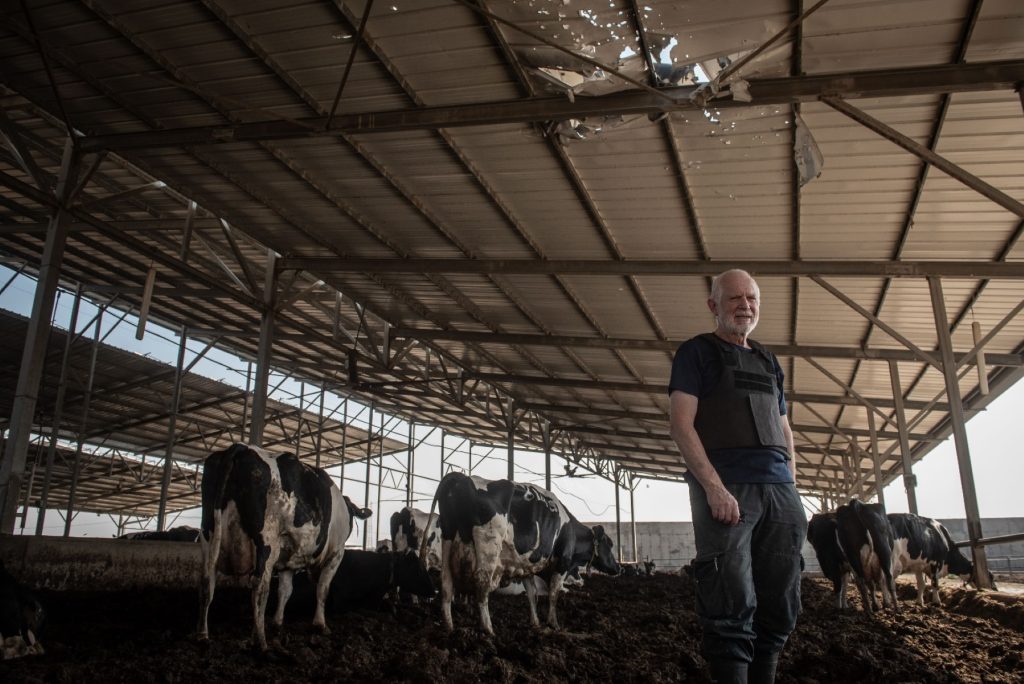
“At around 7.20 a.m. one of our Thai workers called me with the bad news that there was a big problem at the dairy farm. A rocket had landed in the main livestock barn and had killed 13 cows,” he said.
After receiving this news Waffer rushed to the farm to assess the damage, but he was unaware that the terrorists were already in the kibbutz.
“My initial instincts was that we were being bombed as we are pretty used to that already,” he said. “When I got to the farm, I saw the rocket, the dead cows, and a big water explosion as the rocket had burst a main water pipe. I told the team to leave the farm and go to safety as there were more rockets falling.
“I stayed alone at the farm to fix the water pipe and on the way home met a local person who said the terrorists were running around in the kibbutz. I really had no idea what was going on.”
Waffer ran home and told the family to stay in the shelter as the terrorists were closing in. He turned off all the electricity in the house, including the air conditioning, to give the impression that no one was home.
He has no doubt it was this decision that saved him and the lives of his family.
“We were stuck in the shelter for 14 hours straight and when I switched on my phone there was numerous messages from my friends telling me about the attacks, shootings, damage, houses burned down and people being shot and burned in the shelters,” Waffer said.
‘LUCKY TO BE ALIVE’
“The terrorists had burned down 65 homes in the kibbutz and killed many people. We are very lucky to be alive,” he said.
The cow shed on the kibbutz farm was destroyed, and there were lots of pipes damaged. However, Waffer continued to milk the cows that day as he was already there.
Next day at noon he was able to go back to the farm to feed the cows, once soldiers from the Israel Defence Forces had cleared it checking no terrorists were still there.
Since the attack, normal procedures on the farm have now changed meaning that each time Marcelo goes to milk the cows the army goes in first to check the premises for terrorists.
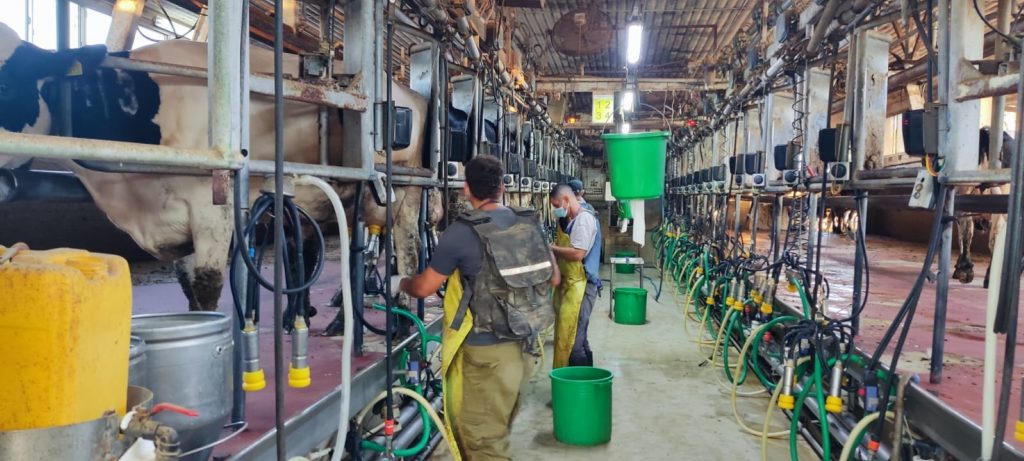
While the regular Thai farm staff have left, Marcelo now has access to a regular crew of volunteers that have come from all over Israel to help milk and feed the cows on the farms.
Wearing bulletproof vests, he and the volunteers can now only milk twice per day at 5.30 a.m. and 4.30 p.m. as the army does not allow late night milking any more, to reduce the risk of any further attack.
To help these Israeli farmers, go to https://www.jgive.com/new/en/usd/collect/donation-targets/70522/amount.