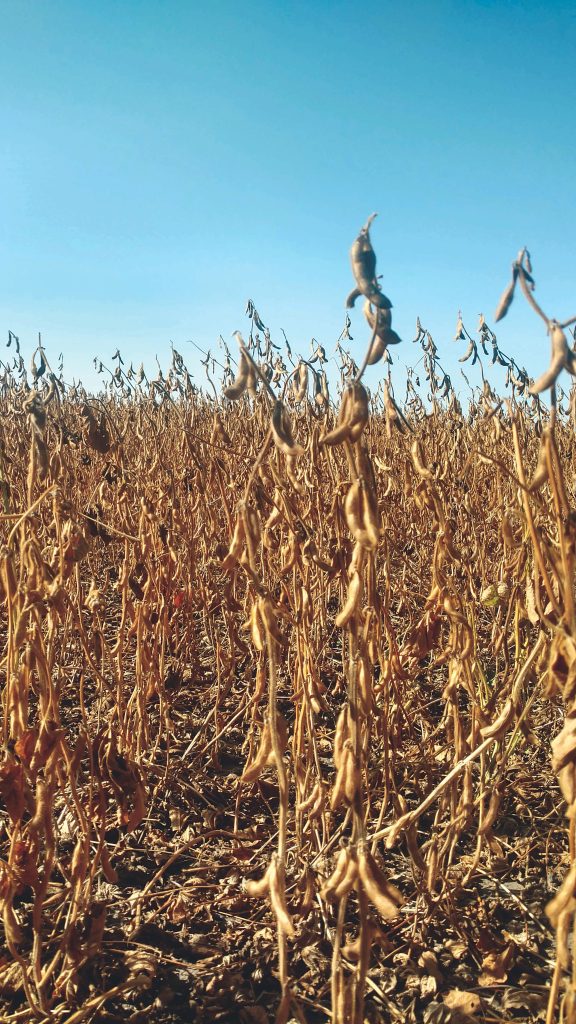
Loss of China soybean market hits Chicago Fed district hard
China-RFP-100625
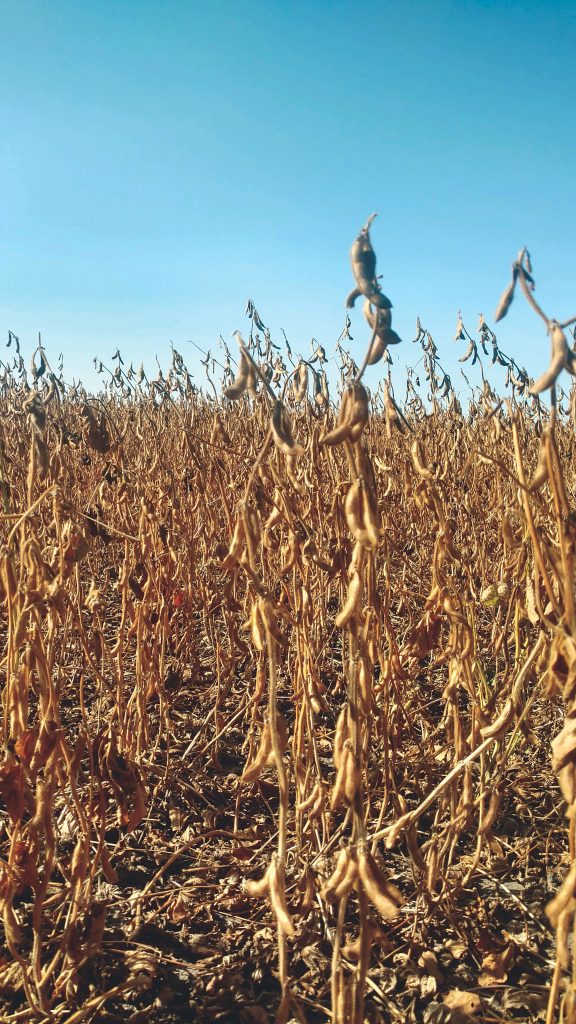
The loss of soybean sales to China as well as low prices for corn are hitting the Seventh Federal Reserve District hard, economists gathered at the Federal Reserve Bank of Chicago said Sept. 30 at a conference on Midwestern agriculture that was held in person and online.
The Seventh District includes the state of Iowa; 68 counties of northern Indiana; 50 counties of northern Illinois; 68 counties of southern Michigan; and 46 counties of southern Wisconsin. The district is served by the Federal Reserve Bank of Chicago.
“We are heavier on grain than cattle,” said Chicago Fed President Austan Goolsbee after other economists had noted that crop farming is troubled by low prices and high input costs while the cattle industry is doing quite well.
The Seventh District also has a lot of manufacturing, and both agriculture and manufacturing have been hit by the tariffs that President Trump has imposed on other countries and the resulting retaliation, Goolsbee said in a question-and-answer session over lunch.
Goolsbee said the economy was “going pretty solid” until Trump announced his tariffs. At first there was a “hair-on-fire kind of moment,” he said. Trump has pulled back on some tariffs, but now it looks like there will be a new wave of tariffs including on lumber, he added.
Even before the tariffs and China’s decision not to buy any soybeans and pull back on other agricultural products from the United States, farmers were already suffering from low prices and high input costs, Goolsbee added.
Goolsbee said a short government shutdown won’t have much of an impact on the economy, but he is “nervous” that inflation seems to be re-emerging.
“Hopefully it is transitory,” but if it is persistent, the economy might go in a “stagflationary” direction, he said. If there is inflation in services that will be a bad sign, he said.
On the question of the independence of the Fed, he said the issue “has not been political at all” and that economists are in agreement that the central bank should be independent when setting interest rates.
Shawn Arita, associate director and associate research professor at North Dakota State University, said that overall U.S. agricultural exports to China are down 53%. And while the Seventh District states are hit hard, North Dakota soybean producers are really fearful because the state is even more dependent on soybean exports to China, shipping them through West Coast ports, he said.
Of the Trump administration’s trade negotiations, Arita said, few details have been released and it’s unclear whether the new promises — such as $10 billion from Taiwan and $8 billion from Japan — are on top of current purchase levels.
David Ortega, a professor at Michigan State University, noted that the Seventh District produces mostly commodities rather than high value-added exports except for the dairy industry in Wisconsin and, to a lesser degree, Michigan.
Meanwhile, the Seventh District imports high value-added horticultural products such as fruits, vegetables, tree nuts and distilled spirits. Illinois alone imports almost $6 billion in beer, but it may not all be sold in Illinois, he said.
China is becoming less reliant on U.S. agricultural products, Ortega said. While it is importing from other countries, particularly Brazil and Argentina, China is also investing significant amounts of dollars in public research and development while the United States has reduced public investment in agriculture, he added.
Joana Colussi, a research assistant professor at Purdue University and a native of Brazil, noted that Brazilian agriculture has become much more productive in recent years due to the expansion of land and to better yields. She added that there are 70 million acres of pasture land that could be converted to soybean production.
Brazil has also increased corn production, but its corn yields are only about half those in the United States, Colussi said. Brazil has traditionally made ethanol from sugar but is increasingly using corn as the base for ethanol production, she added.
On a trade panel, John Newton of Terrain said, “China is not in a hurry to buy U.S. soybeans.” China has been stockpiling beans for several years, and its stocks to use is 36%, he added.
The Chinese “knew what they were getting into. They’ve got time to wait,” he added.
Newton, a former Senate Agriculture Committee Republican chief economist, noted that the increases in farm subsidies in the One Big Beautiful Bill Act won’t go into effect until the fall of 2026.
Recalling that last week Trump said he would use tariff revenue to help farmers, Newton said his “gut” instinct is that “this administration wants to show some wins before the [2026] election” and will develop an aid package for the soybean farmers.
“Everything they are doing is about the election coming up and keeping control of the House and Senate,” Newton said.