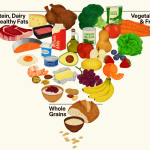
New Dietary Guidelines emphasize beef’s place in a healthy diet
The National Cattlemen’s Beef Association welcomed the release of the 2025-2030 Dietary Guidelines for Americans. The updated DGAs nearly double the recommended daily amount for protein intake, increasing it to 1.2-1.6 grams per kilogram body weight, depending on your age group and individual caloric needs. The document focuses on building a healthy diet around whole foods, limiting highly processed foods and added sugars, and prioritizing protein at every meal like nutrient-dense beef. Red meat is specifically mentioned as a healthy source of protein in a varied, balanced diet.
“As a mom, I understand the importance of eating nutritious wholesome protein and as a rancher, I see the hard work that goes into providing the best possible food for our communities. The updated and simplified Dietary Guidelines will help more families like mine learn the facts about beef’s nutritional value and make the best decisions when they’re shopping for a nutrient-rich, whole and delicious protein,” said Kim Brackett, an Idaho rancher and NCBA vice president. “Beef provides high amounts of protein plus nine other essential nutrients like iron and B vitamins, and gold-standard clinical studies have consistently shown that it is easy to incorporate beef into a balanced, heart-healthy diet. We appreciate Secretary [Brooke] Rollins and Secretary [Robert F.] Kennedy underlining the role of beef as an important part of a healthy diet.”
The recently released Dietary Guidelines are simplified and more consumer-friendly than previous cycles. The streamlined approach taken by Secretary of Agriculture Brooke Rollins and Secretary of Health and Human Services Robert F. Kennedy, Jr. keeps science-backed recommendations at the heart of the DGAs, but makes them far more practical for the families, caregivers, school administrators, and medical professionals who are making decisions every day about what to feed our children, seniors and Americans of all ages. Other recommendations in the DGAs include:
- Incorporate beef tallow and other healthy fats into the cooking process.
- Use healthier cooking methods like baking, broiling, roasting, stir-frying, or grilling, all of which can be used with the wide variety of retail beef cuts available to American families.
- Introducing nutrient-dense foods like meat during infancy and early childhood to support growing children.
Although much discussed in recent months, the DGAs do not make any changes to the existing recommendation that saturated fats should not make up more than 10 percent of daily calories. The guidelines do note that healthy fats are a natural part of real foods like meat, and these fats support many important functions in the body like nutrient absorption.
“As Americans face the double burden of being overfed and undernourished, they are searching for reliable, affordable solutions to meet their nutritional needs and personal preferences. Thankfully, there are a wide range of beef options in the marketplace,” said Registered Dietitian and nutrition scientist Dr. Shalene McNeill, executive director of nutrition science for NCBA. “On a per-gram basis, beef offers more nutrient value than many other animal and plant options. Incorporating beef in the diet can help support the overall health and well-being for all Americans.”
— National Cattlemen’s Beef Association
New Dietary Guidelines affirm dairy’s central role in a healthy diet
The U.S. Departments of Health and Human Services and Agriculture recently released the 2025-2030 Dietary Guidelines for Americans. The report affirms dairy products’ central role in federal nutrition recommendations, recommends Americans consume three servings of dairy each day, and recommends the consumption of whole and full-fat dairy products such as whole milk, yogurt, cheese and other dairy products.
“The new Dietary Guidelines send a clear and powerful message to Americans: dairy foods belong at the center of a healthy diet,” said Michael Dykes, D.V.M., president and CEO of International Dairy Foods Association. “IDFA applauds HHS and USDA for grounding the 2025–2030 DGA in today’s nutrition science, including the evidence showing that dairy products at all fat levels support healthy eating patterns. Recommending the consumption of whole and full-fat dairy products such as whole milk, yogurt, cheese, and other dairy products is an important victory for consumer choice and public health. Americans can now enjoy the wholesome dairy foods that work for their cultural, dietary and lifestyle preferences knowing that they are benefitting from dairy’s unique nutrient profile. IDFA encourages the administration to update federal nutrition programs tied to the DGA to ensure Americans can access whole, full-fat, and reduced-fat dairy products through these programs.”
Dairy foods — milk, cheese, yogurt, and other products — are a cornerstone of healthy dietary patterns, delivering 13 essential nutrients, with the DGA highlighting dairy’s high-quality protein, healthy fat, vitamins and minerals. IDFA has for many years highlighted that scientific evidence does not support previous DGA recommendations to limit dairy food consumption to low-fat or fat-free products. Nutrition science has evolved to show the benefits of whole and full-fat dairy foods, including less weight gain, neutral or lower risk of heart disease and lower risk of childhood obesity. The new DGA reflect this growing body of research, providing Americans greater flexibility to choose dairy foods that meet their needs.
“The DGA also highlight dairy’s central role as a protein source alongside healthy meats, eggs, seafood and other protein foods,” said Dykes. “These DGAs encourage Americans to look no further than wholesome dairy products like milk, yogurt, dairy powders, cheese, and other dairy foods when adding healthy protein that work best for themselves, their families and their unique situations.”
Dykes also cautioned that the DGA’s reference to “highly processed foods” could create unnecessary confusion among consumers and policymakers because there is no official or scientific consensus on what that term means. “Many nutritious, safe, and essential foods — including milk, yogurt and cheese — undergo processing to ensure quality, safety, and accessibility,” he said. “Establishing dietary guidance around an undefined or inconsistently applied term risks discouraging consumption of nutrient-rich foods that are vital to public health. As we noted in recent comments to federal agencies, any move toward defining or classifying foods by processing level is premature and should be informed by rigorous, consensus-based science.”
“IDFA looks forward to continued collaboration with HHS and USDA to ensure the new DGA recommendations regarding dairy at all fat levels are reflected in federal nutrition programs like school meals, WIC, and SNAP dairy incentives. We also remain committed to partnering with these agencies to ensure future dietary recommendations reflect the best available science and support increased dairy consumption, contributing to healthier outcomes for all Americans,” said Dykes.
— International Dairy Foods Association