Open Season 2025 | Shed Hunting
Ruth Wiechmann Follow
-
Shed hunting has become immensely popular in the past few years.
Gorchesky 3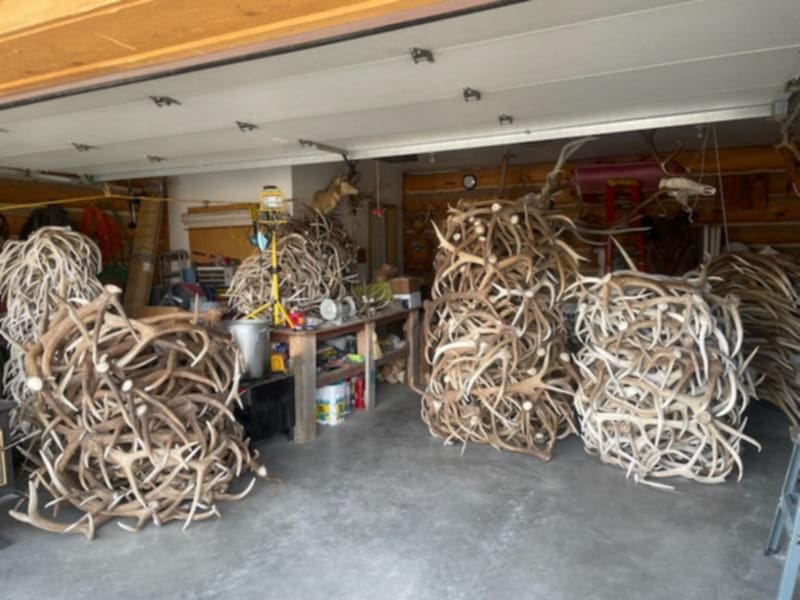
-
Gorchesky does a lot of elk ivory work and makes his own line of gold and silver jewelry.
Gorchesky Jewelry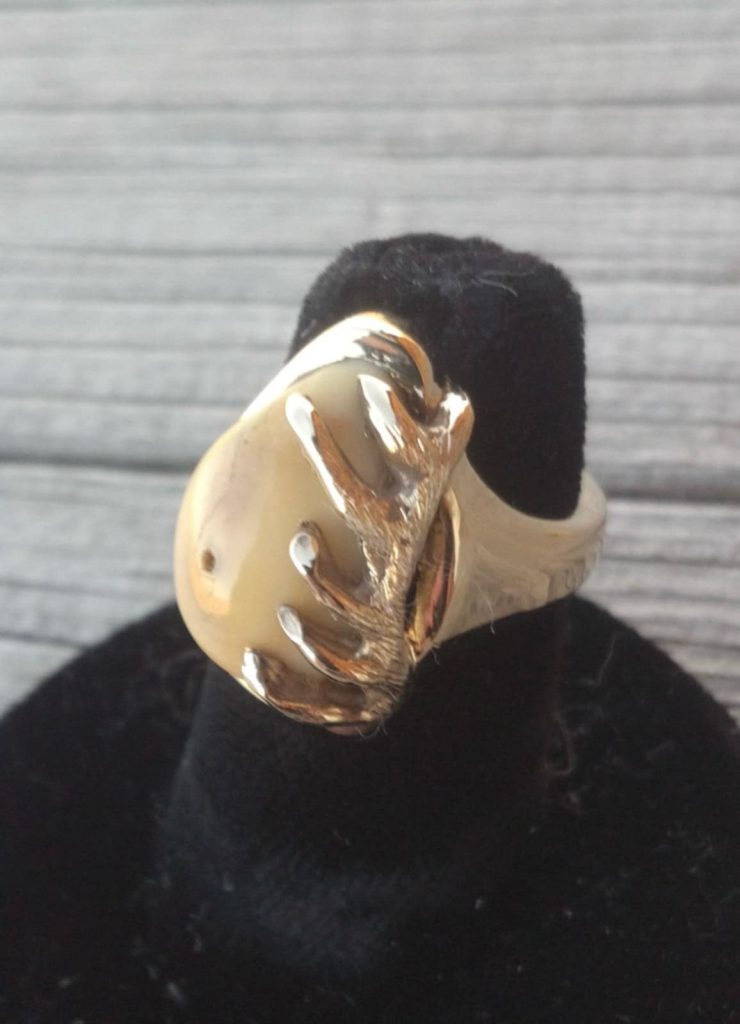
-
Gorchesky does a lot of elk ivory work and makes his own line of gold and silver jewelry.
Gorchesky jewelry1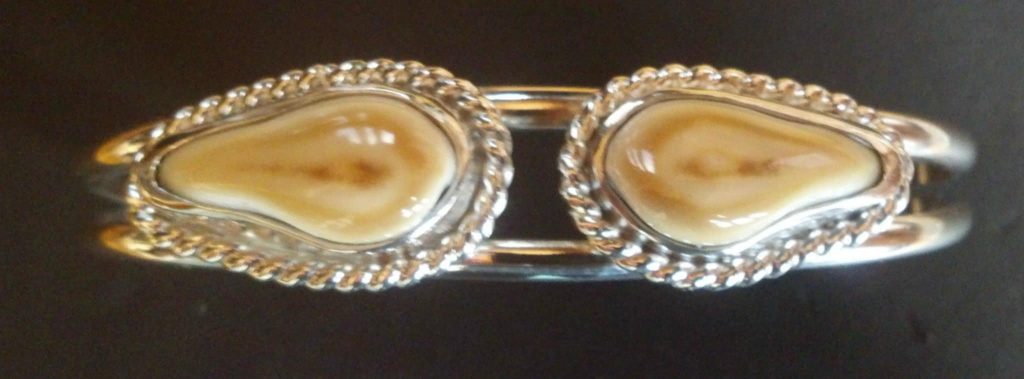
-
-
Gorchesky does a lot of elk ivory work and makes his own line of gold and silver jewelry.
Gorchesky jewelry2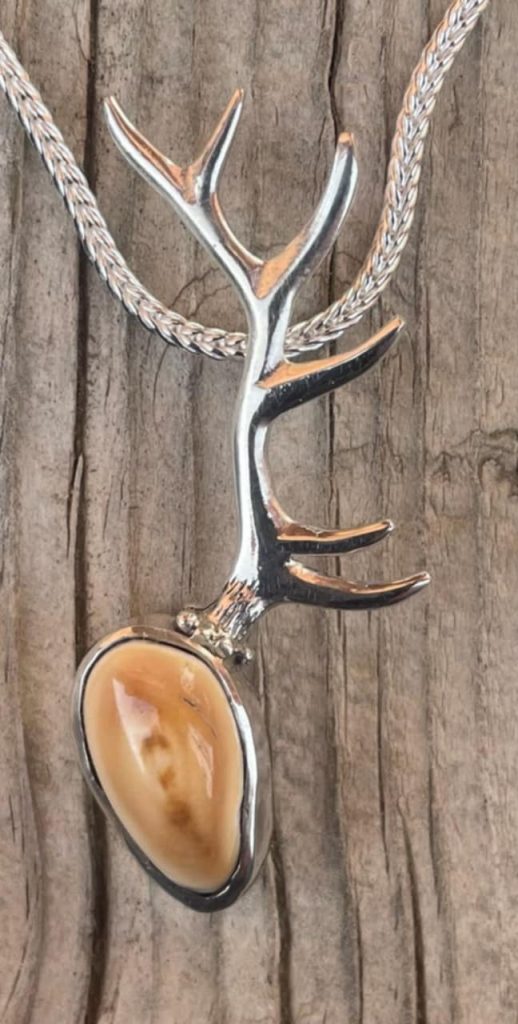
-
Gorchesky does a lot of elk ivory work and makes his own line of gold and silver jewelry.
Gorchseky jewelry3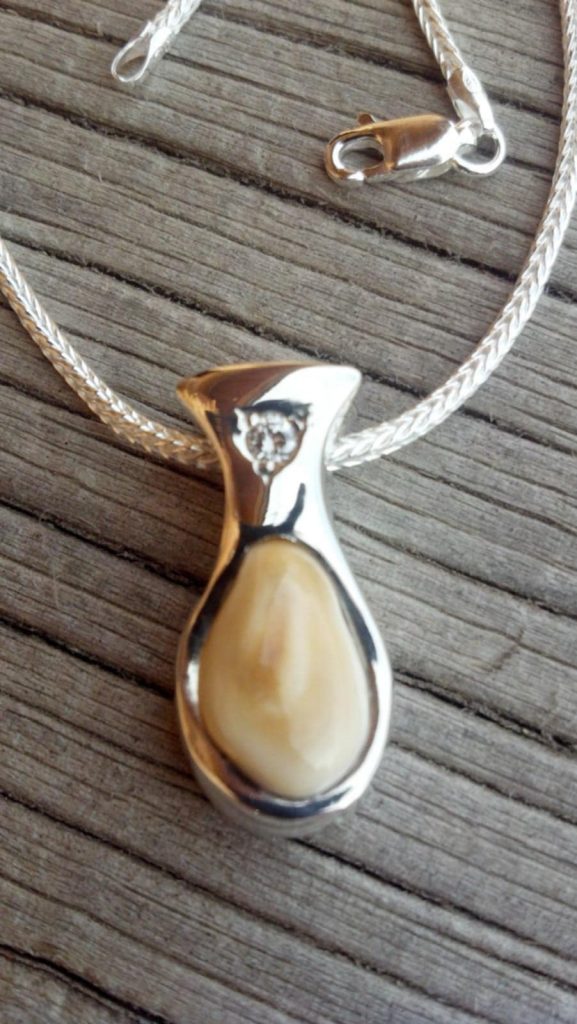
-
For Tobias Cortner, hunting sheds is about being close to nature and making memories.
Cortner 1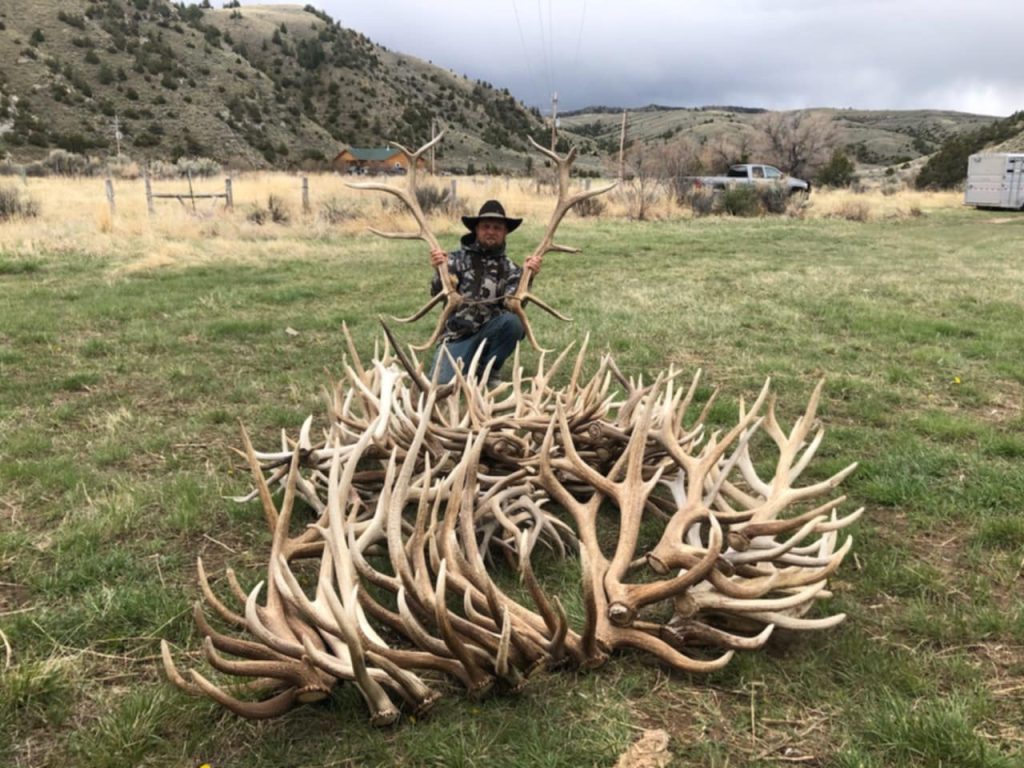
-
An individual elk antler can weigh up to 15 pounds.
Cortner 2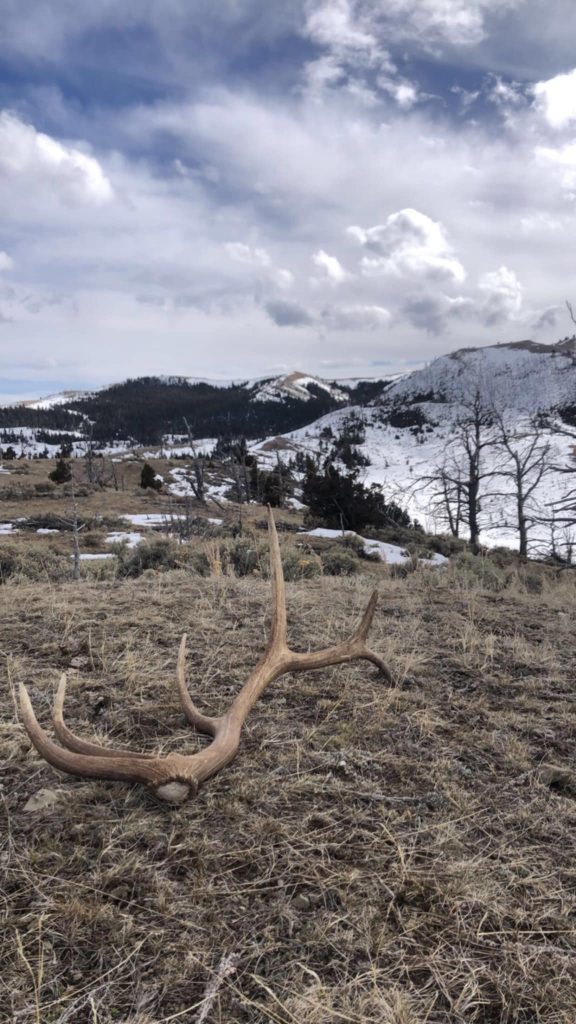
-
Finding sheds is an added bonus to the long days Cortner spends in the saddle doing ranch work.
Cortner 3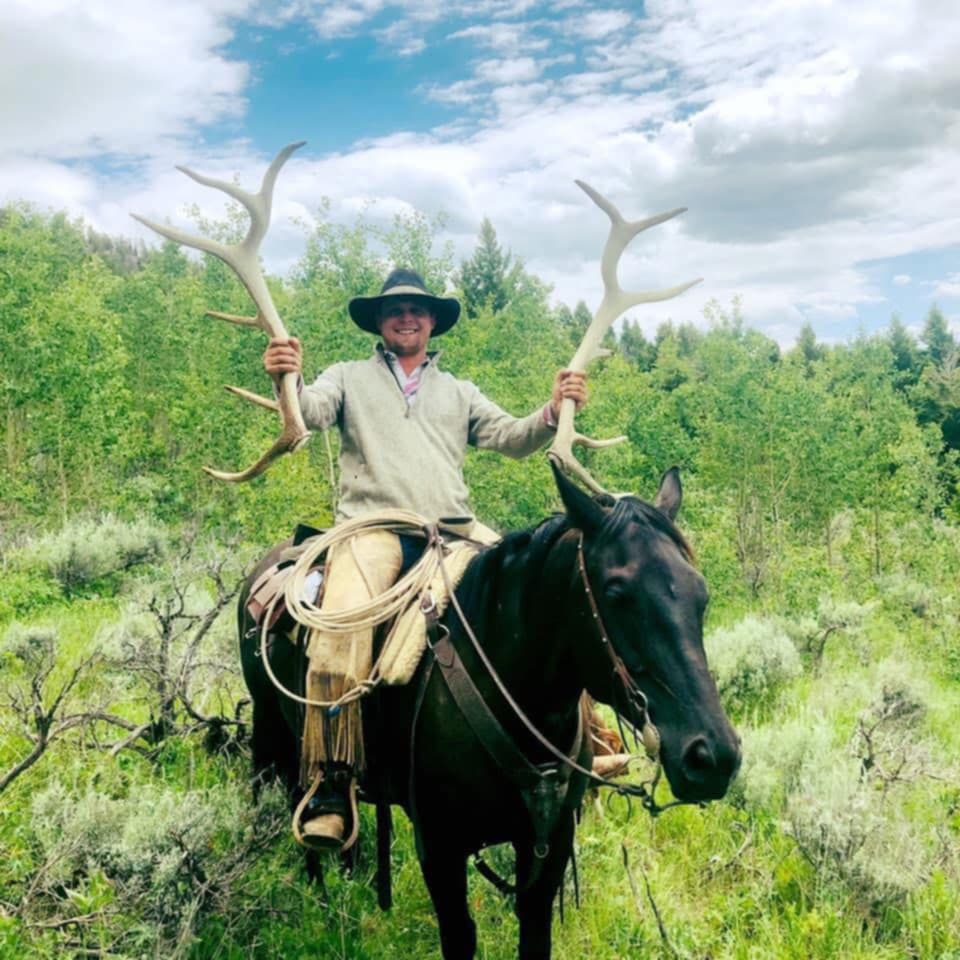
-
Shed antlers and moose paddles have always been worth some money, but the price fluctuates from year to year.
Ggorchesky 4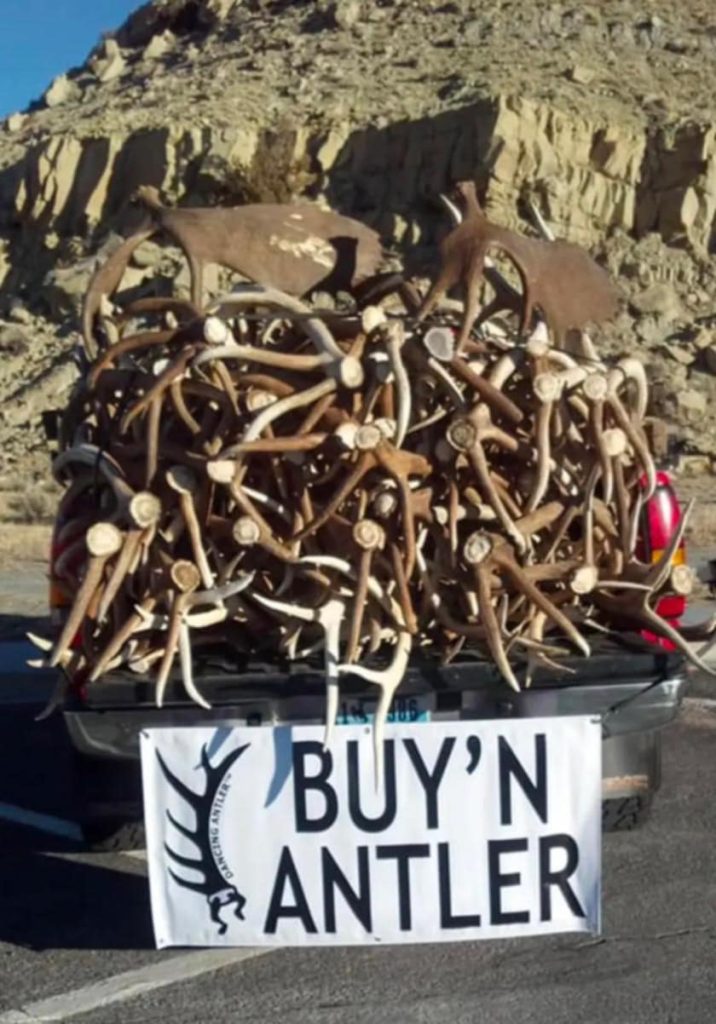
-
Larry Gorchesky has been buying antlers for over 30 years.
Gorchesky 1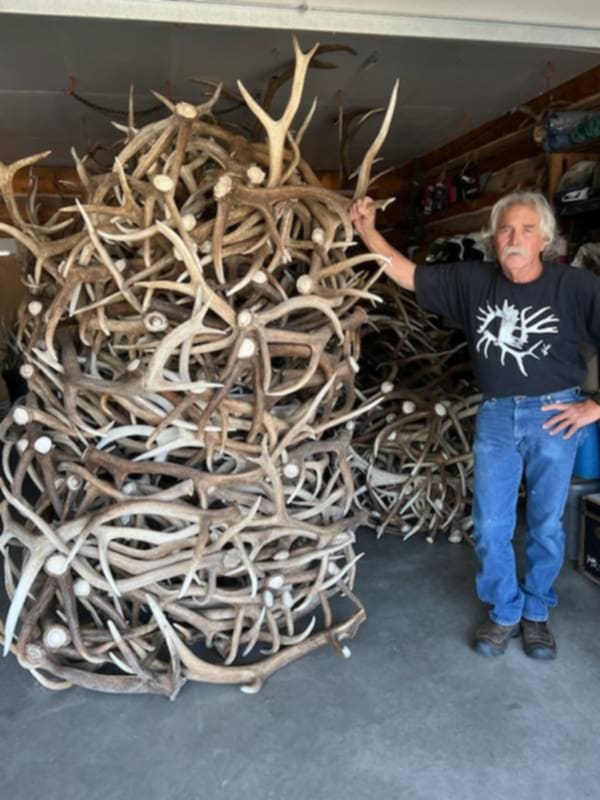
-
Some horn buyers come and go, but Gorchesky has been doing business with the same people for decades.
Gorchesky 2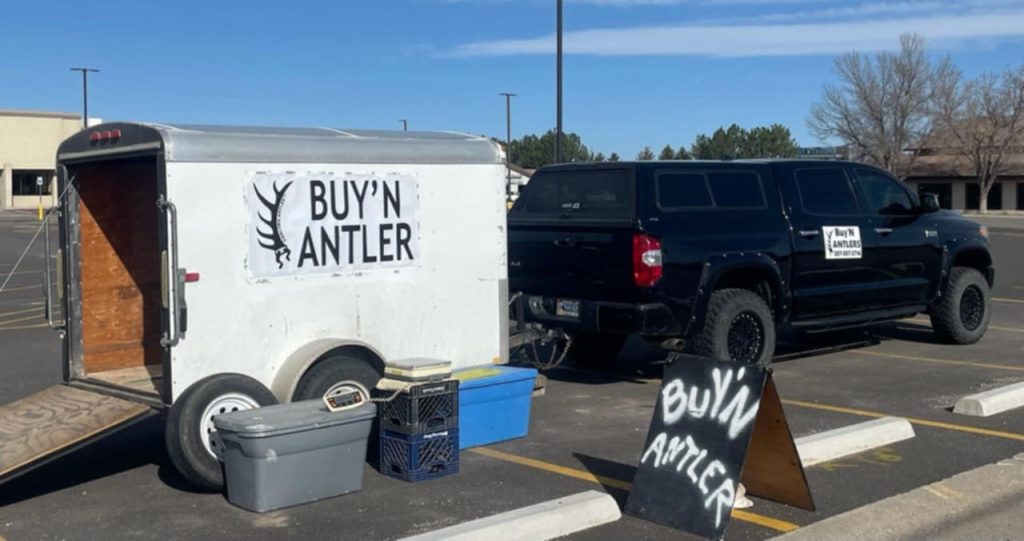
Photos courtesy of Tobias Cortner and Larry Gorcheski.
Tobias Cortner has been picking up sheds his whole life. Growing up in Montana gave him ample opportunity to be out in nature, whether hunting, fishing, ranching, or shed hunting, and he continues to enjoy these pursuits in Wyoming on the ranch where he currently lives and works.
“A lot of people that horn hunt don’t even hunt, they just do it as a good excuse to get outside,” he said. “It’s a good way to enjoy our public lands, or private land with permission.
Money is becoming more of a factor driving shed hunting, as more and more people have realized they can make some extra cash selling the horns they pick up.
“It really blew up the last 10-15 years,” Cortner said. “You wouldn’t believe how crazy some people go about the horn hunting thing.”
Cortner is horseback for his current job on a daily basis. The same has been true on other ranches where he’s worked.
“I find a lot while I’m riding for work in our summer country, and it’s something I do in my spare time in the spring whenever I can,” he said. “Where I work now, on a 150,000 acre ranch, it has a lot of BLM land. It is super checkerboarded. The BLM allows access but as far as this ranch, and others I have worked on, they allow absolutely no antler hunting by the general public on their private deeded land.”
It behooves shed hunters to know the area, know the rules and abide by them, and respect landowners. Cortner and other ranch employees have caught people on deeded ground.
“You always want to tread lightly because you never know who you’re dealing with,” he said. “A lot of people are very honest about it, but it only takes one bad egg to ruin it for everyone. There’s no excuse for ‘Oh, I didn’t know where I was at’ with apps like onX available, that show where the property lines are, what is national forest, state or BLM land, and who owns what. If you have a cell phone, you can download that app and know exactly where you’re at.”
In spite of this, there are always people who overstep boundaries, don’t respect landowners, leave gates open and tear roads up, Cortner said.
“There are people who have horn hunted in National Parks, and that is obviously a no-go,” he said.
Some ranch owners allow their employees to hunt sheds on their deeded land.
“The way I look at it, guys that work on these places work six or seven days a week, and if the landowner lets you pick horns up, it’s a bonus,” Cortner said.
Shed antlers and moose paddles have always been worth some money, but the price fluctuates from year to year.
In recent years, “the horn hunting deal has really blown up,” and more and more people are going after them, Cortner said. This may be partly due to record high prices a couple of years ago, but for Cortner, it has never been about the money.
“It’s a great pastime, a great way to get outside,” he said. “I don’t always find antlers, but I find lots of other stuff.”
Antlers have always had value. Supply and demand drives the price, Cortner said. He has sold antlers to Larry Gorchesky in Cody for years.
“There are years where prices are insanely good and years when it’s pretty tough,” he said. “Many sell for dog chews, and that has gotten huge.”
Other horns sell to people who create art pieces, furniture or jewelry with them. Some people pay a premium for a matched set from a record book bull, but Cortner likes to hold on to the big or unusual horns he finds to use for decoration around his own home.
“The big ones are hard for me to get rid of,” he said. “I could go through my house and tell you a story about every horn here. Horn hunting has always been something that has really attracted me, whether it’s just being outside or sometimes seeing new country, or going out to try to find where a bunch of bull elk are wintering.”
Shed hunting is a good way to get yourself and your family outside on a Saturday afternoon when the weather is nice in the spring, Cortner said. There’s no pressure to get up early.
“The horns are going to be there whether it’s six in the morning or noon.”
A person definitely has to have an eye for finding sheds, and Cortner has been out with people who can’t see them. It’s a skill he has honed with experience. Whether during his growing up years in Montana, or riding on ranches where he has worked, shed hunting for Cortner is about being close to nature and experiencing the gifts of a life lived in harmony with wildlife and changing seasons.
“I have had thousands of memorable moments throughout my life, whether hunting or antler hunting or fishing or riding,” he said.
A competitive streak comes through too.
“I always wanted to be good at shed hunting and never wanted to leave anything behind,” he said. “But you never will find them all.”
Some years, prices are “insanely good” and other years Cortner holds his finds over to wait for the market to come up a little. The price per pound is based on a grading system, where the freshest antlers have brought up to $20 per pound. If one elk antler weighs around nine pounds, this can add up.
“Grade one is the highest quality,” Cortner explained. “They are still brown and were shed recently. Grade two horns are starting to turn white and might be up to a year old. Grade three antlers, also called ‘chalk’ grade are completely white and bring the lowest price by weight.
This year’s prices were around $14 per pound for grade one antlers, $12 per pound for grade two, and $3 per pound for chalk.
Cortner has found antlers that weigh up to 15 pounds apiece and found up to 100 pounds of horns in a single day’s hunting.
“It’s definitely rewarding,” he said. “Horn hunting has always been a huge hobby for me and the money is nice too. It’s not free money but it’s fun money. If you get out enough and work hard at it, it starts adding up.”
Cortner also enjoys elk hunting. He has always tried to surround himself with land where elk range.
“I never want to get too far away from where elk winter,” he said.
Larry Gorchesky
Larry Gorchesky said the popularity of horn hunting is growing. High market value a few years ago may have encouraged more people to get out.
“That market was being driven by the dog chew craze,” he said. “They were a very popular item everywhere from the big pet stores down to the little pet stores for quite a number of years, despite different opinions of veterinarians on the dangers of giving your animal an antler to chew on. Long story short, it has slowed down; the popularity and novelty of it has finally worn off.”
That market is never going to go away, but it may have been a factor in driving the price per pound up around $18-$20, “as high as it’s ever been.”
Gorchesky has been buying horns for around 30 years. He does a lot of elk ivory work and makes his own line of gold and silver jewelry. He moved to Wyoming in the 1980s.
“I’ll tell you how it evolved,” he said. “I was always a picker, just because I hike. I was working at a jewelry store in Jackson, and there was an elk refuge on one side of town and the Grand Teton refuge on the other side.”
People weren’t allowed to pick up anything on the refuges, he said but there were a lot of horns on the deeded land in the area.
“Guys always had more antlers than money. They would want an engagement ring, or an elk ivory pendant, or earrings, or a bracelet, and they would come to me with a truck full of elk antlers, deer antlers and moose paddles. Everyone wanted to trade me their antlers for a piece of jewelry.”
Gorchesky had to bone up on the market.
“I couldn’t pay my refiners’ bills with horns,” he said. “Then I made a chandelier for my house out of deer antlers. People would come and ask, ‘Where did you get that?'”
When they found out that he had made it, they would say, “Wow, can you make me one?”
“That snowballed into where I am today,” he said.
Gorchesky buys horns for a number of crafters, each with unique needs. Some guys buy the little ones, the ‘rag horns’ typically shed by younger bulls.
“Everyone wants to find a 10-, 11- or 12-pound horn, and occasionally you’ll find one up to 15 pounds,” he said. “The mass and caliber of an animal has to do with nourishment, not genetics.”
Once the hunting seasons are over, certain regions are closed to horn hunting through May 1. The closures tend to be more on the winter ranges, with the intent not to disturb animals and their habits and patterns.
“You could be in there hiking, hunting mountain lions or cutting firewood, but you are not allowed to take sheds out,” Gorchesky said. “The closures are posted and it’s pretty black and white. They patrol the area to make sure. The antler henhouse is a pretty big henhouse, and gossip gets around pretty quick if people don’t respect the rules.”
Some areas turn into a “real rat race” when they open in the spring.
“You’re in with 170 some other guys trying to find a couple antlers. I don’t personally go in for anything like that, but some guys like doing that,” Gorchesky said.
Gorchesky speculates that “too many people” have gotten interested in shed hunting.
“I appreciated back in the day when I could sneak in and watch five bull elk where they wintered, watch two or three of them lose horns at a time, until they had all fallen off, and then go pick them up. Today you can’t do that. Today you almost have to catch them in the air in some areas.”
People need to apply the same principles of sportsmanship to shed hunting as they do to any kind of hunting, Gorchesky said.
“You have fellas that are hunters and fellas that are sportsmen. There’s a big difference between going out and hunting to kill something and being more sportsmanlike. If guys held back a little bit, you’d probably find more; then again, while you’re sitting there waiting and behaving, some other renegade is in there. I don’t have any answers for how to solve those problems, guys just need to become a little bit better sportsmen, not just antler hunters.”
Too much pressure has tainted horn hunting, Gorchesky said.
“Back in the day if you said you hunted horns, you were respected. It meant you were out there hiking and staying in shape. Now you mention you’re a horn hunter, and people look at you like you’re killing calves or putting so much pressure on the animals that they’re dying on their winter ranges.”
Shed hunting is good for the local economy, Gorchesky said.
“If I write a check to a local guy for a few hundred dollars, he’s going to spend it in town. I write so many checks to little children, girls and boys who are maybe eight to 10 years old. They go out shed hunting with mom and dad; it’s a healthy thing. They’re not playing on a phone or sitting in front of a TV. When it comes time to sell them, they are some of the most fun customers I have. They know the antlers, they know what’s what, and they hand them to me according to grades. We all do the math, and I’m always teasing them about trying to cheat them. They stay pretty sharp about it. It’s kind of cute, but they’re learning a bunch of stuff.”
Many horn buyers travel through an area, come and go, Gorchesky said, but that’s not how he does business.
“I’m blessed to have been in the business as long as I have. I have known the guys who come to me for a long time and they trust me.”
Larry Gorchesky can be contacted at elkivory@cowboystate.net or on Facebook.