Breeder’s Connection 2026 | Jim Odle: Perspective from a Colorado Cattleman
Jim Odle sold millions of cattle in his lifetime working as an auctioneer and a pioneer of video sales.
-
Jim Odle’s early auctioneering career included selling cattle in tents after the barn at Brush, Colorado, burned down.
1. Auction Block @ Brush Livestock Comm. Co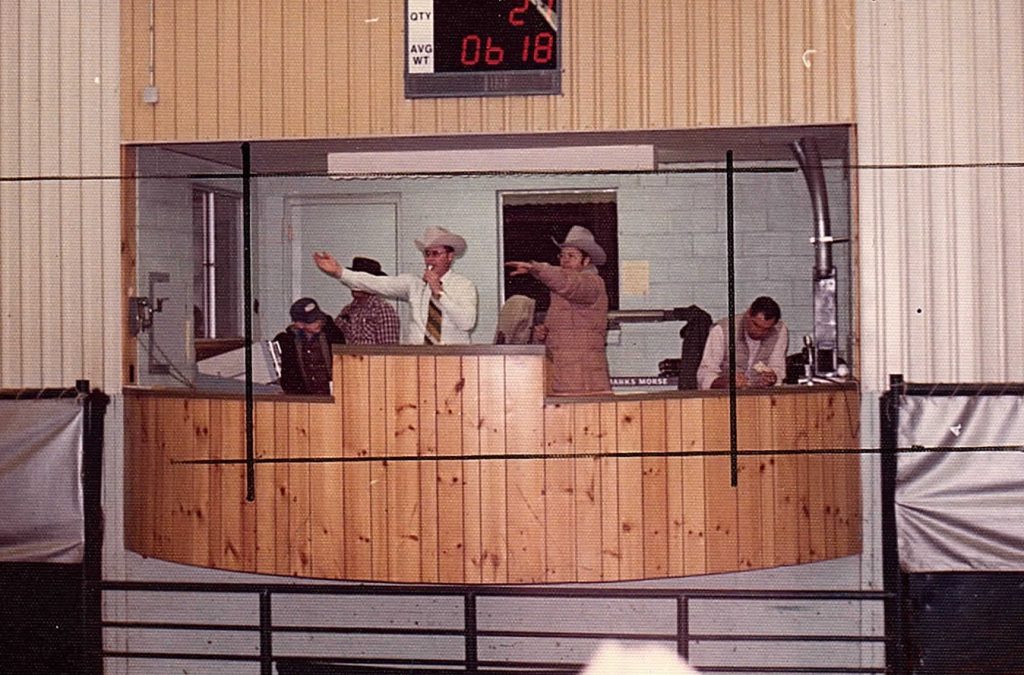
-
Jim Odle’s early auctioneering career included selling cattle in tents after the barn at Brush, Colorado, burned down.
2. Auction in tents after sale barn in Brush burnt down-1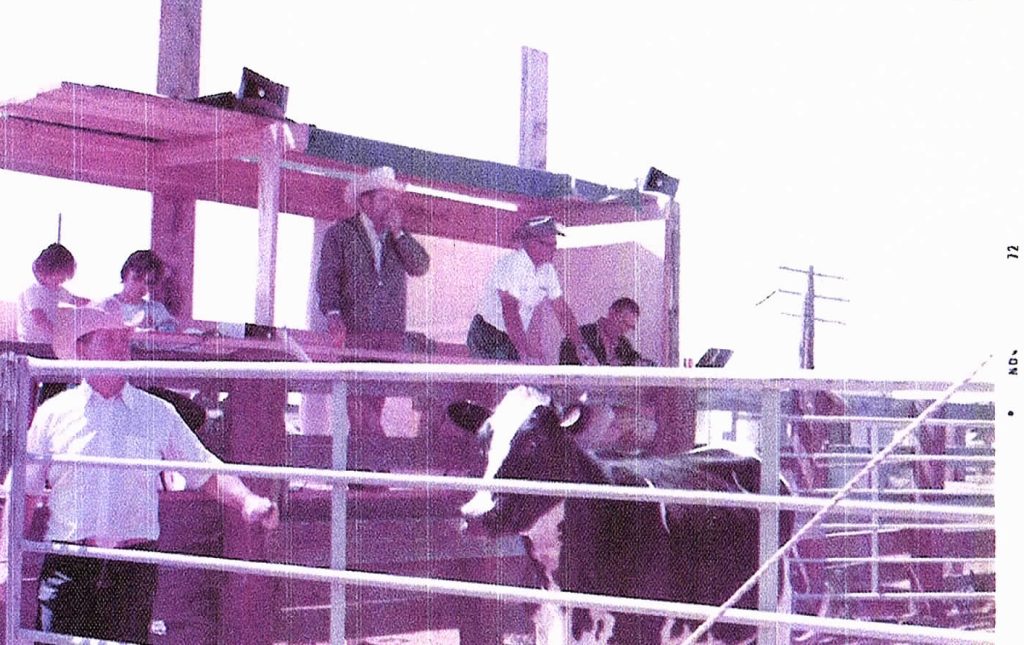
-
Jim Odle’s early auctioneering career included selling cattle in tents after the barn at Brush, Colorado, burned down.
3. Auction in tents after sale barn in Brush burnt down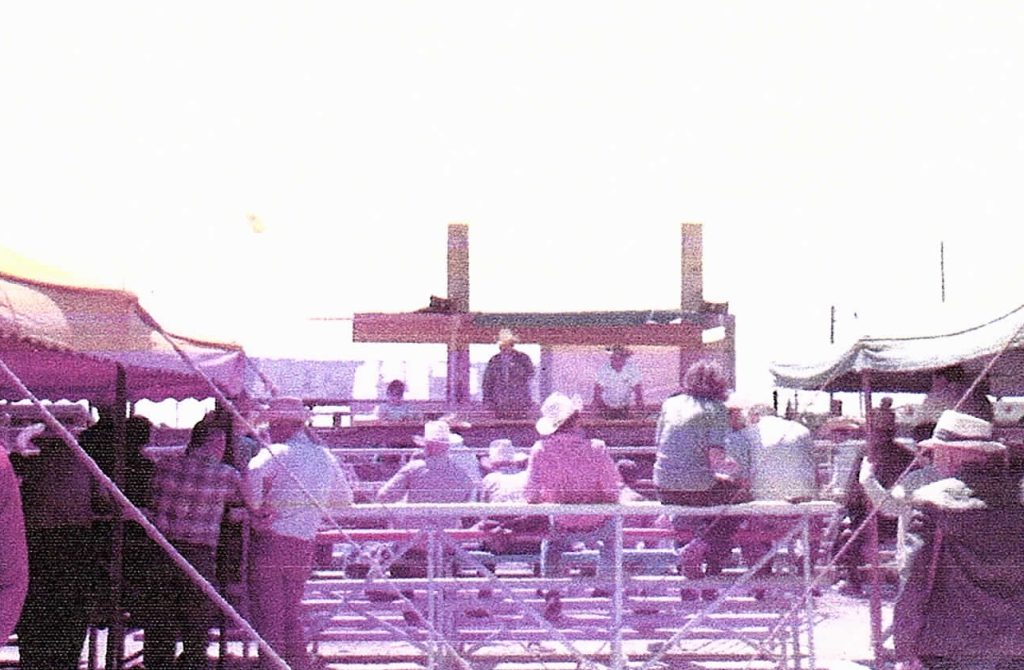
-
-
Jim Odle’s early auctioneering career included selling cattle in tents after the barn at Brush, Colorado, burned down.
4. Early Sale Barn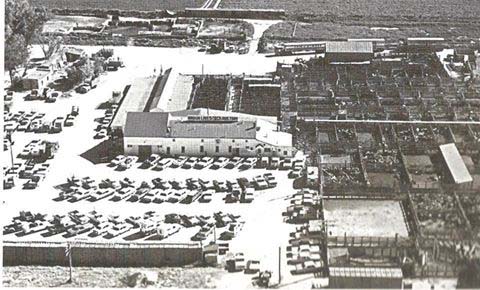
-
Jim Odle handled hundreds of dispersal sales during the difficult years of the 1970s and 1980s.
5. J.Odle Farm Sales Late 70’s early 80’s-1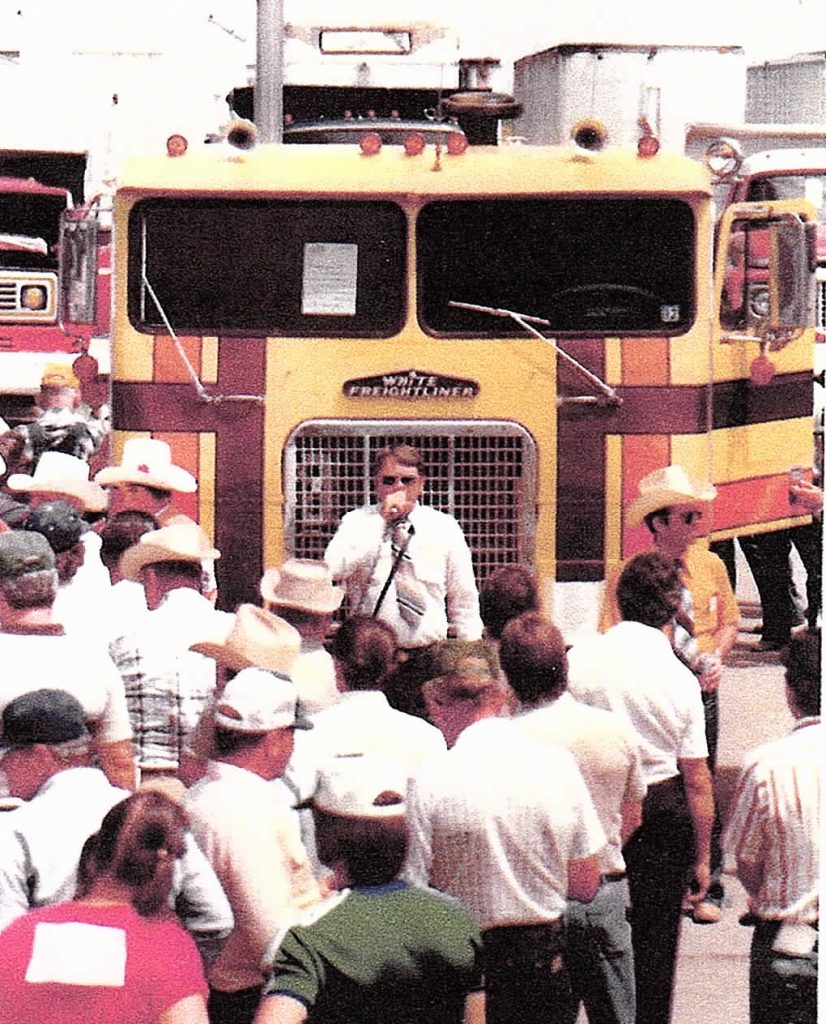
-
Jim Odle handled hundreds of dispersal sales during the difficult years of the 1970s and 1980s.
6. J.Odle Farm Sales Late 70’s early 80’s-2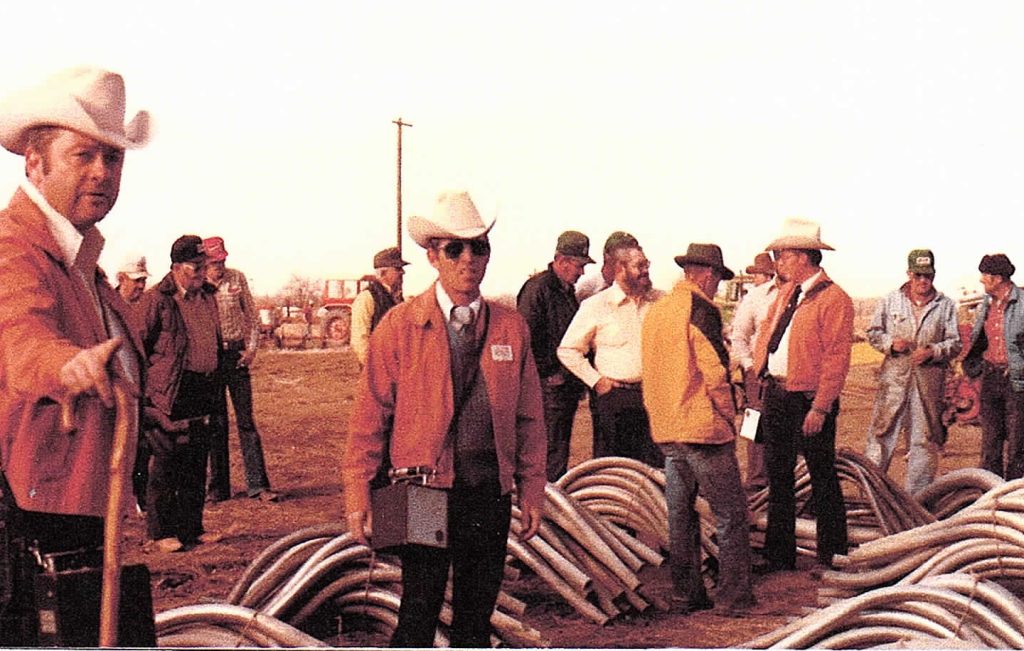
-
Jim Odle handled hundreds of dispersal sales during the difficult years of the 1970s and 1980s.
7. J.Odle Farm Sales Late 70’s early 80’s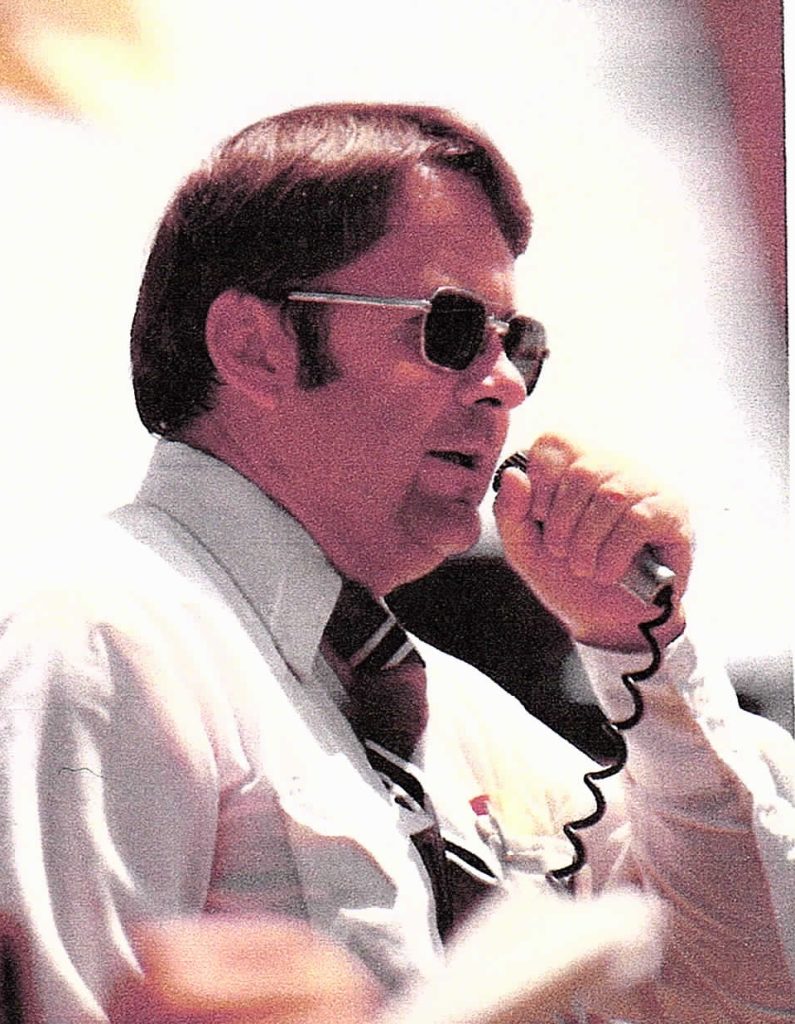
-
Jim Odle and Dave Wahlert at the first video auction in Denver, Colorado.
8. first video auction in Denver CO-Jim & Dave Wahlert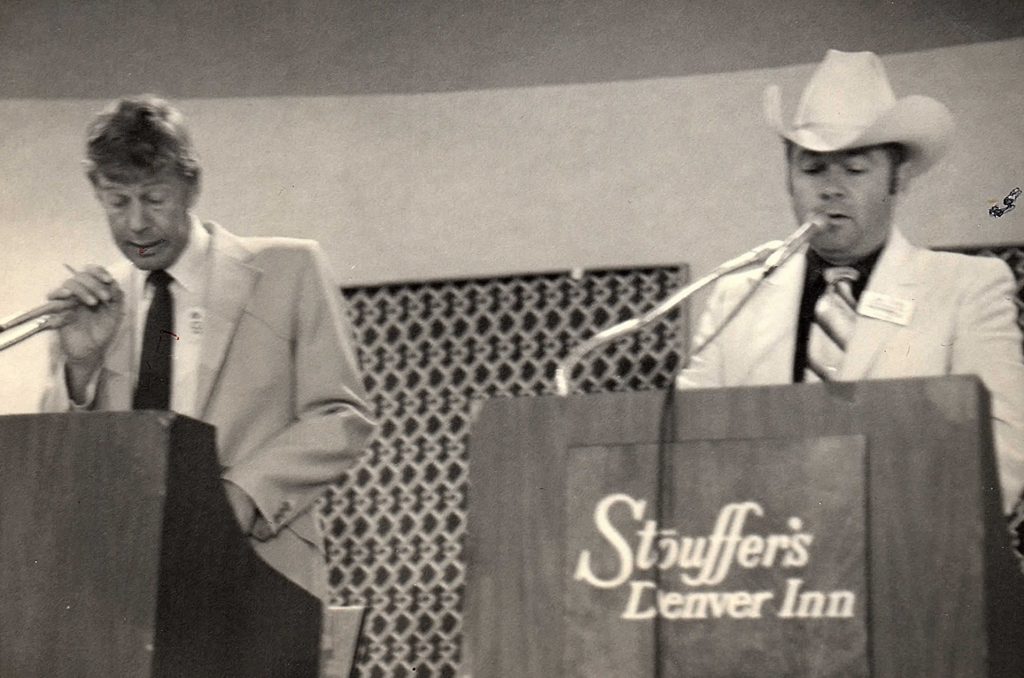
-
Jim Odle at the World Livestock Auctioneer contest.
9. Jim at World Livestock Auctioneer Contest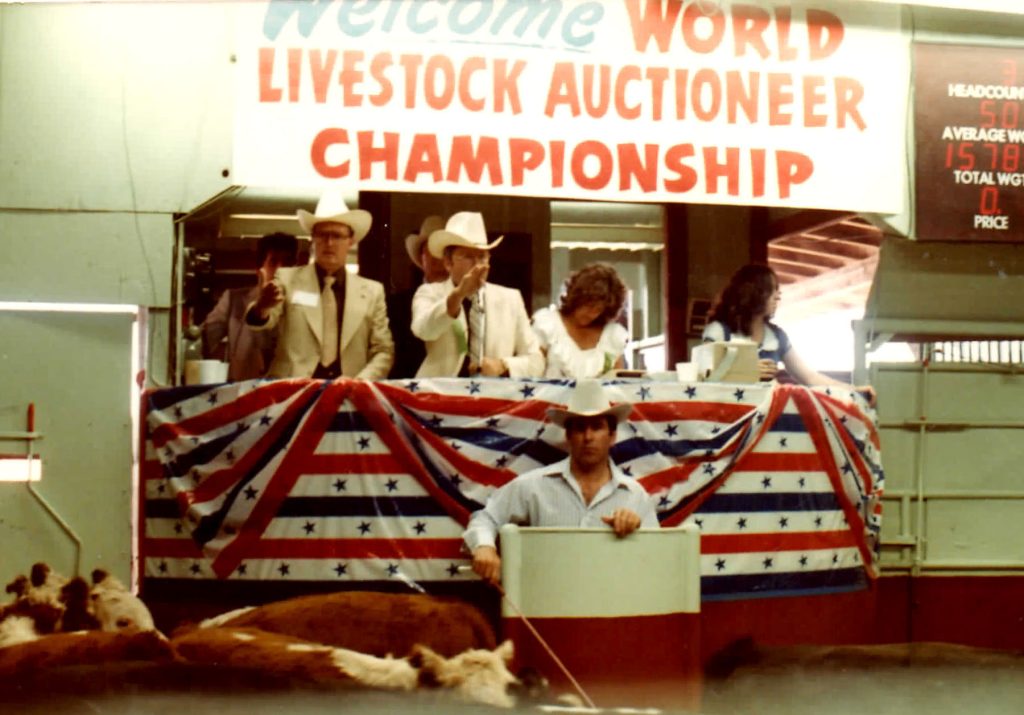
-
Jim Odle and Buddy Jeffers visiting with Superior Livestock Auction reps in the early 1990s.
10. Buddy Jeffers & Jim Odle visiting with SLA reps in early 1990’s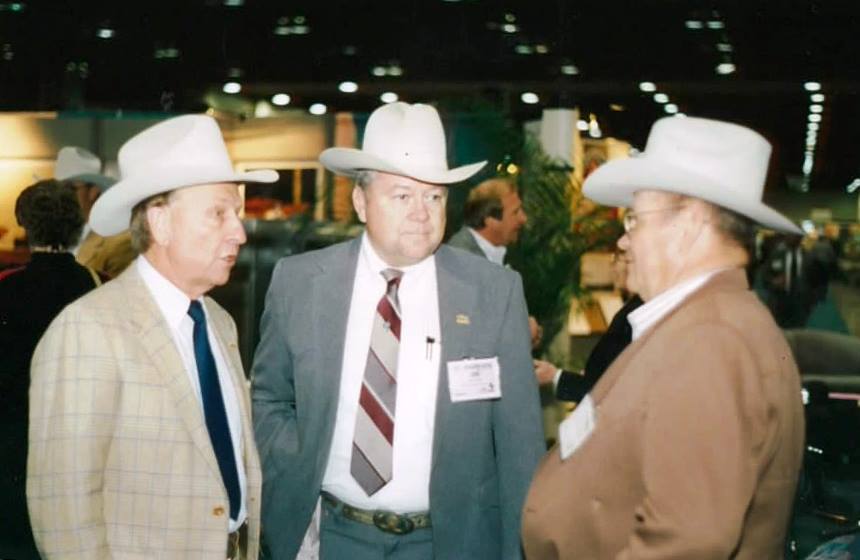
-
Jim Odle and Superior Livestock partners at an auction.
11. J.Odle and SLA Partners at Auction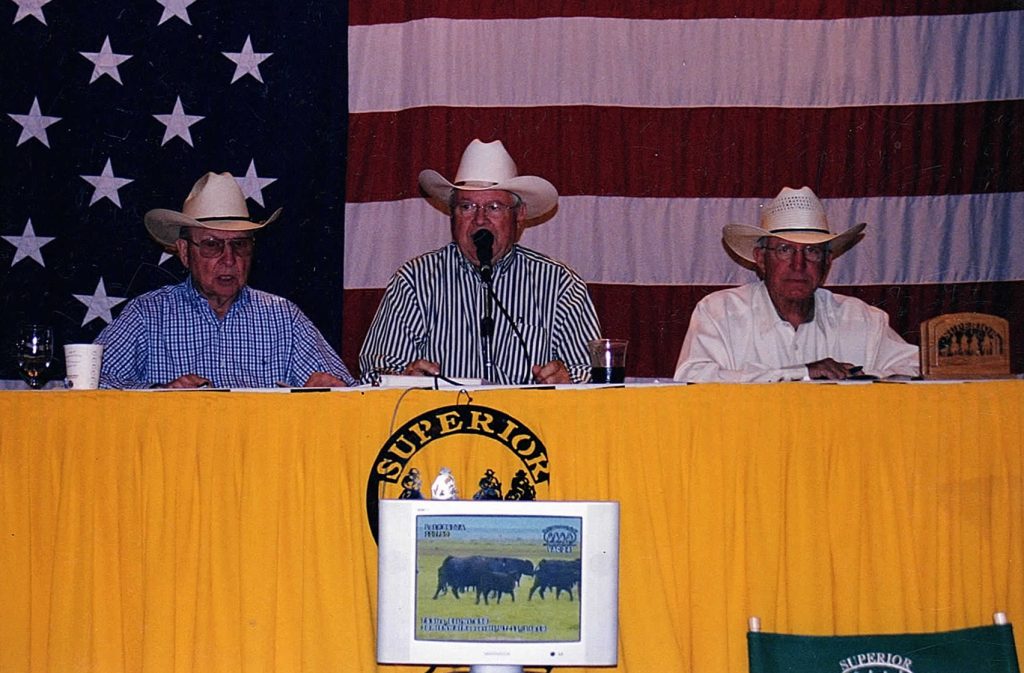
-
Jim and Ruth Ann Odle, 2018.
12. Jim & Ruth Ann Odle 2018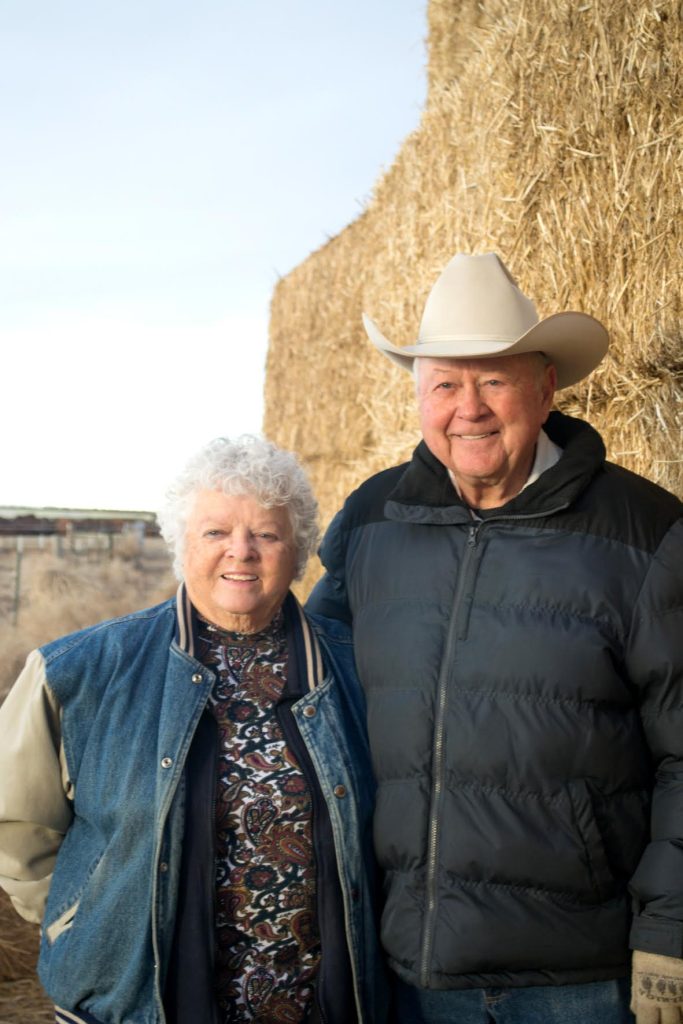
-
Jim and Ruth Ann Odle’s wedding day, 1959.
13. wedding_pic Odle – 1959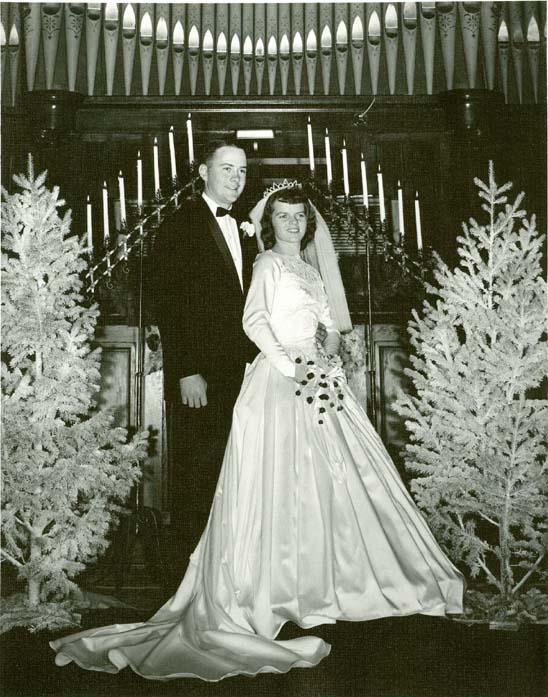
-
The Odle family, 2025.
14. Odle Family – July 3, 2025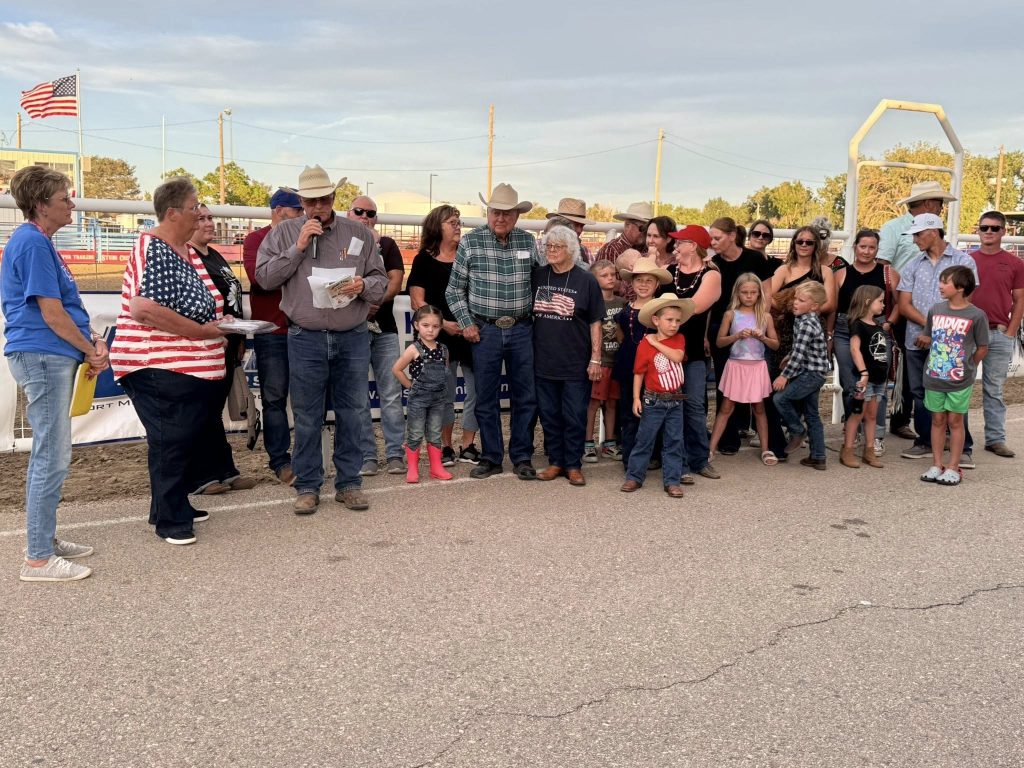
-
Odle Livestock weaning day, 2025.
15. Odle Livestock weaning day 2025 – 400+cow-calf pairs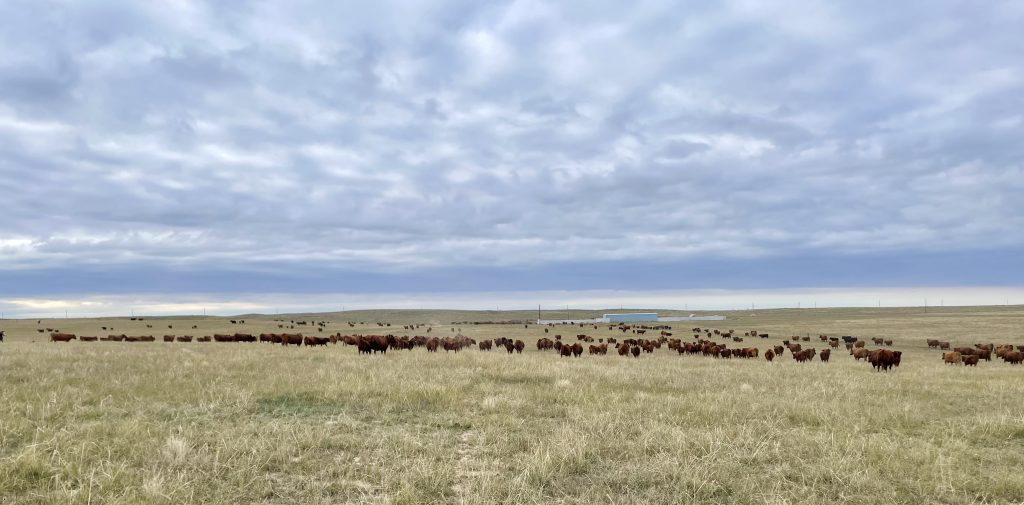
-
Jim Odle feeding cattle.
16. Jim Feeding cattle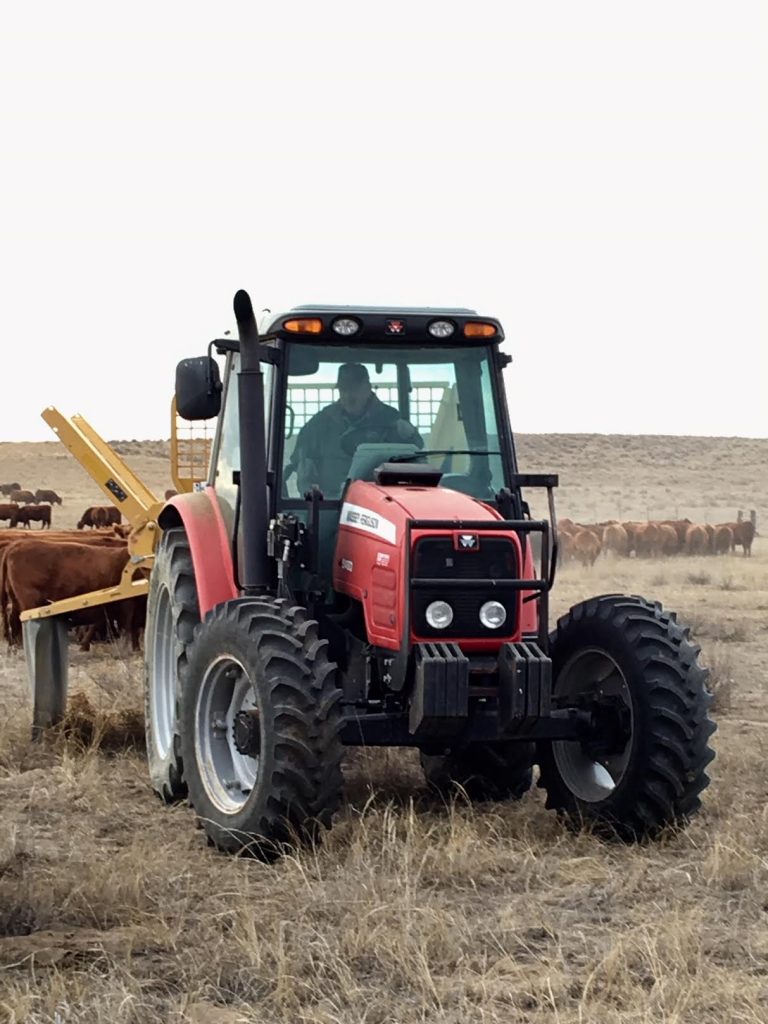
-
Jim Odle is the executive producer of Cowboy Church.
17. Jim Odle Exexuctive Prod. Cowboy Church.tv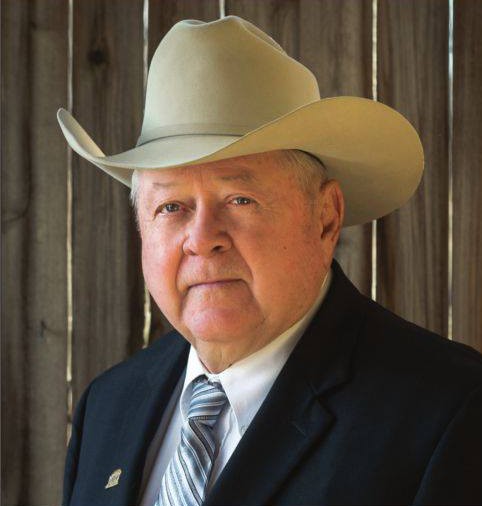
-
Jim Odle was inducted into the National Auctioneers’ Association Hall of Fame in 2021.
18. J.Odle 2021 National Auctioneers Assoc. Hall of Fame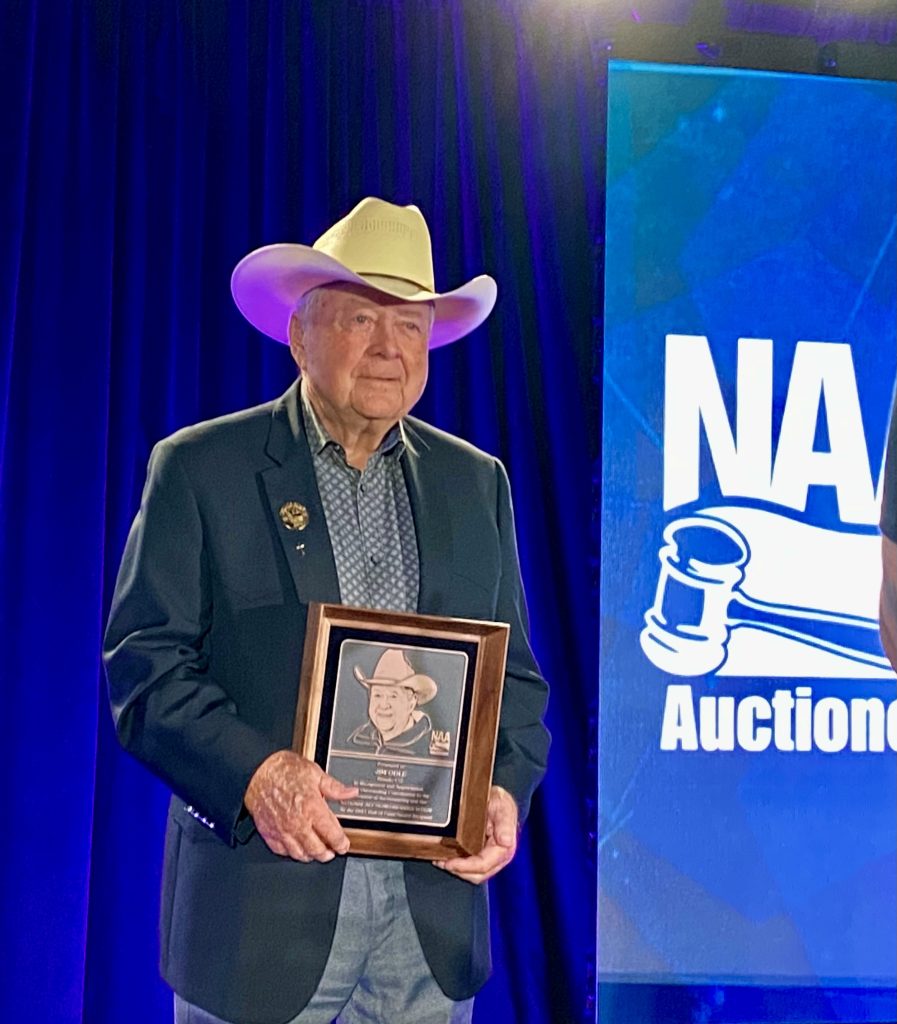
-
Jim and Ruth Ann Odle, National Cowboy and Western Heritage Museum Hall of Great Westerners Award, 2018.
19. Hall of Great Westerners – 2018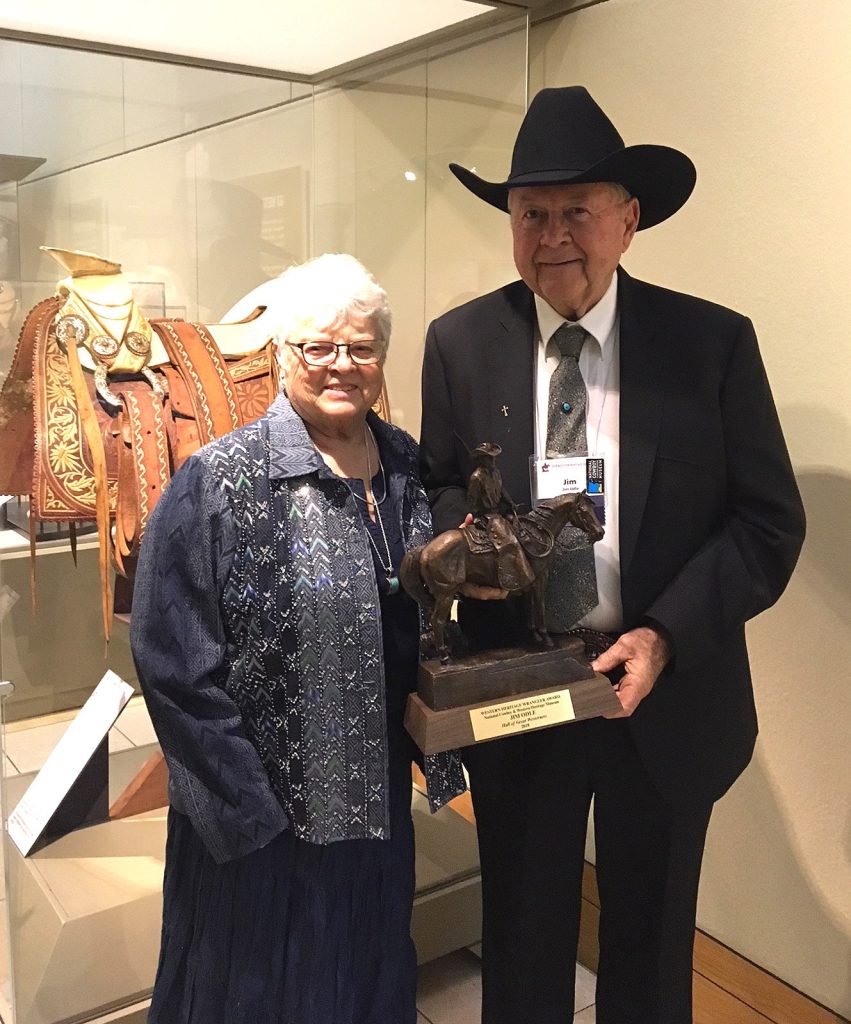
“In the final years I was with Superior we were doing a couple million head a year,” he said. “In my lifetime, I have no idea how many cattle I sold, but it was a lot of them.”
Odle grew up on a farm about 12 miles out of Greeley, Colorado.
“We were kind of a poor family, us kids would go to town about once a month when our mothers went in to shop,” he recalled. “But it was a great life. Of course we had all kinds of livestock around. That’s the way life was back then.”
Odle married Ruth Ann Dunn in 1959. Keeping the bills paid as their family grew drove him to start a job at the Greeley salebarn.
“I ran a few cattle at the time and was farming,” he said. “We got hailed out two years in a row, so I went to work in the back of a livestock market. That’s when I got into livestock marketing; I had to make some money.”
Odle was interested in becoming an auctioneer.
“I mentioned to Claude Redman that I would like to become an auctioneer,” he said. “He said there wasn’t room for another one. But then later the opportunity came and he let me sell some cattle.”
In 1965, Odle bought the Greeley salebarn from Redman. Both remembered the earlier conversation.
“His daughter was a classmate of mine, and I still have opportunity to remind her of that,” Odle chuckled.
A self-taught auctioneer, Odle never went to an auctioneer school.
“I worked at it on my own to become an auctioneer,” he said. “I practiced a lot. I never won the World but I was second a couple of times and won the region a couple of times.”
When Odle sold the market at Greeley, he was selling five sales a week between Steamboat Springs, Torrington, Greeley and Brush.
In those days, Odle wore many hats.
“When I used to sell Steamboat Springs, I would go up and sell that day and before I left it was my job to help load cattle on the railroad cars,” he said.
Most of the cattle were headed to Nebraska. When the cars were loaded, Odle would get in his car and head to Torrington for the next sale.
“It’s been quite a few years since they hauled any cattle on the railroad,” he said. “The last major railroad cars were owned by K-Corp, and they quit using those cars in 1977.”
Odle later purchased the livestock market in Brush.
“I ended up going broke in it in 1976, and then went to work and had a dispersal sale business.”
Odle’s auction company handled 326 dispersions in one year during the 1980s farm crisis.
“Then things started going my way.”
In his years of auctioneering, Odle had observed many situations where ranchers were hauling their calves long distances.
“I had one customer who was about 250 miles away from the market,” he said. “He hauled his calves in to sell, and then his neighbor always bought the heifer calves and hauled them back within five miles of where they started.
“There has got to be a better way,” Odle thought.
Video sales were born out of meetings Odle participated in during the late 1970s.
“Someone put together an advisory board, including people from 11 different colleges and various other members to talk about electronic marketing. They came out with a computer marketing program; it was a good program but it was ahead of its time. That’s the reason it didn’t take off. I never did go to college so I don’t know why I was chosen to be on the advisory board.”
Following this, Odle came out with a video marketing strategy.
“I started a once a year video auction with Cumberland Auctioneers. Later on, when I merged with Buddy Jeffers in Texas, it then became Superior Livestock.”
The technology would eventually catch up, but “back then, we were the first people to have a fax machine in Brush, Colorado, and it was the size of your desk,” Odle said.
The man who brought video marketing to cattle producers still believes that local sale barns are vital to the cattle industry.
“The livestock market, in my opinion, is still very important for the community,” he said. “Maybe someone has something come up and they have to market some animals tomorrow because they need funds. I’m 100 percent behind livestock markets. They are very, very important.”
There are advantages to video sales, Odle believes.
“You can pre-market you cattle when you think the market looks good and sell them down the road 30, 60 or 90 days out. It gives producers the opportunity to market their cattle before they leave the farm or ranch. It can be a huge plus when you know what you’re going to get before you ever load them on a truck.”
Hauling directly to the end destination without a stop in between is also advantageous and less stressful on the animals.
“Another big thing is not to have to commingle them before you get them to their final destination,” Odle said. “Video sales have also provided an opportunity to create some vaccine programs which have been a huge plus for the industry thanks to lack of sickness and lack of stress.”
Jim Odle has seen firsthand a great deal of change in every aspect of the cattle industry from production to marketing to processing.
“Most of the things I see I really like,” Odle said. “I don’t like the huge movement to really, really large feedlots. I don’t like the concentration of getting our packing houses down to just a few. I do like the trend of a lot of ranchers who are starting to promote and market their own product.”
Many people Odle knows personally are “overwhelmed with the amount of people wanting to buy beef from them,” he said. “We still feed cattle and have a lot around on the ranch, and we always have people waiting in line to get a quarter or a half of beef.”
Even with recent talk about beef prices being “too high,” Odle said based on a percentage of wages, U.S. consumers have the cheapest staples in the world.
“People still go down and buy a latte for $6; if you compare that back to beef maybe beef is not too high. The cattle shortage is great for ranchers. I can’t say the farmers and ranchers have to lower the price because somebody thinks they should,” Odle said.
One notable change in the industry is the ease of moving cattle around compared to what it was many years ago, Odle said.
“Today it’s nothing to move a set of cattle from Colorado to Texas or Iowa or wherever,” he said. “It’s common practice. The ease of moving livestock around is a huge deal as far as how the industry has moved, unless you’re that trucker who has to sit in a truck for 24 hours.”
Another notable change Odle has observed over time has been in the quality of cattle produced in the U.S.
“The way cattle have changed is just amazing,” he said. “When we started the video sale, we might market cattle from Louisiana or south Texas, you could see their hip bones. They were such crossed up, poor cattle you couldn’t believe it. The quality of cattle we have today from frame to ability to put on weight and be tender is incredible. It is amazing what genetics have done all over the nation. The quality of our cattle is just unbelievably good.”
Jim and Ruth Ann are still involved on their family farm and ranch near Brush, Colorado. Jim has received many industry awards for his work, including the Cattle Feeders Hall of Fame, Livestock Publications Council’s Headliner award, the National Cowboy and Western Heritage Museum’s Hall of Great Westerners, Colorado Auctioneer Hall of Fame, the Record Stockman’s 1997 Man of the Year in Livestock, the Beef Industry Vision award, the Texas Cowboy Hall of Fame, and the Colorado Agriculture Hall of Fame.
Amy: Phone number: 970-380-2342