Breeder’s Connection 2026 | Pilakowski Angus
Raising Cattle that Work for the Land and People
-
Mike and Melissa Pilakowski and children (from left to right), Colton, Dane and Madelyn
Pilakowski Angus1
-
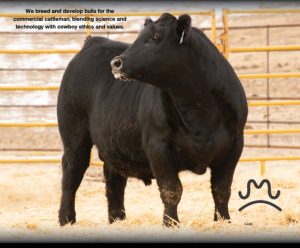
Pilakowski Angus breeds and develops bulls for the commercial cattleman, blending science and technology with cowboy ethics and values.
Pilakowski Angus2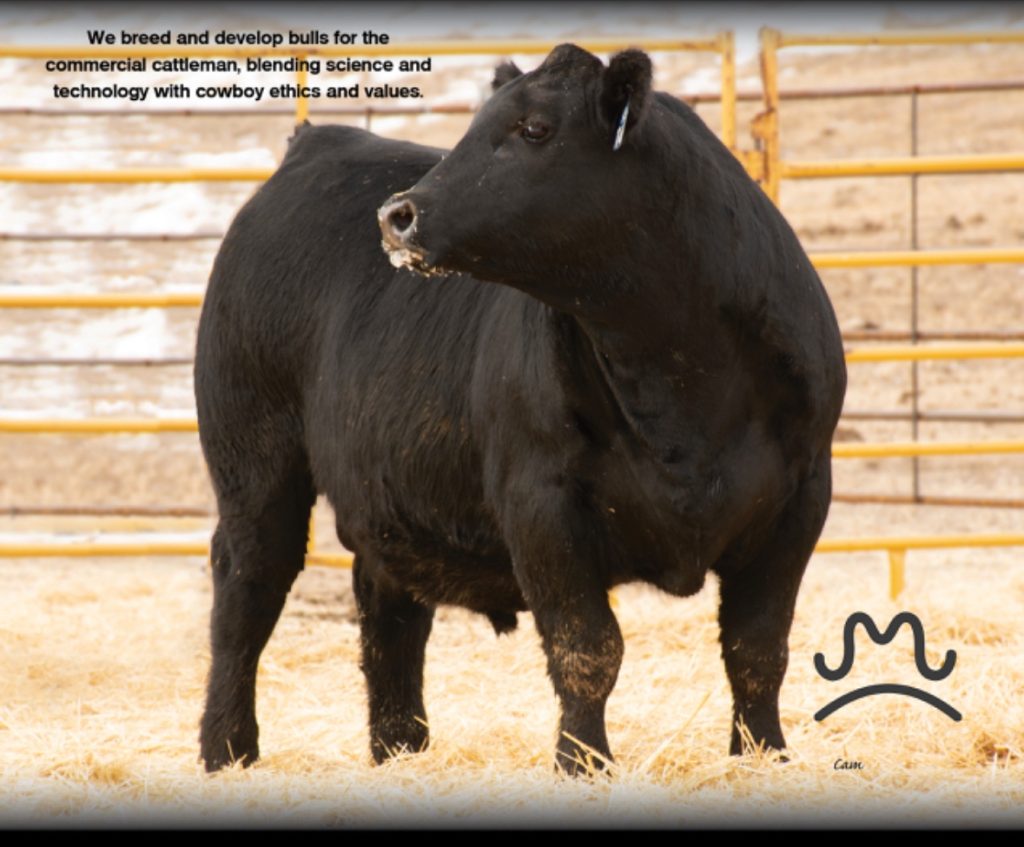
-
Pilakowski Angus strives to have bulls that are as predictable as possible, which sell every year in February at their performance tested bull sale.
Pilakowski Angus3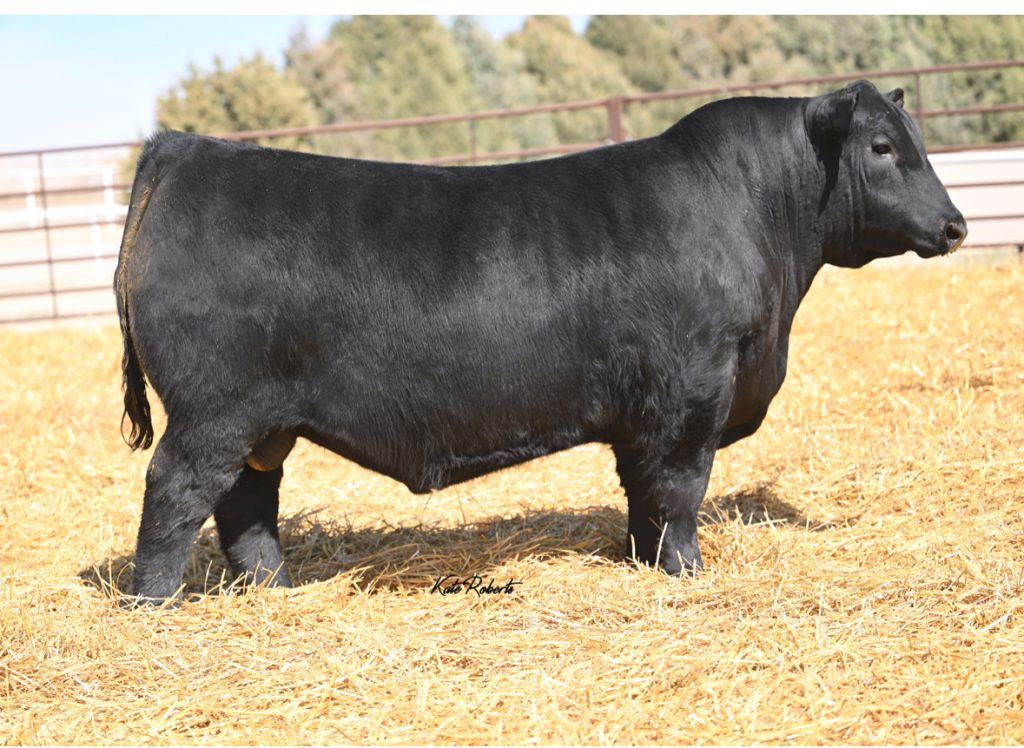
-
-
Balanced, dependable cattle are at the heart of Pilakowski Angus. They are bred to work just as well for the family as they do for neighbors across the Sandhills.
Pilakowski Angus4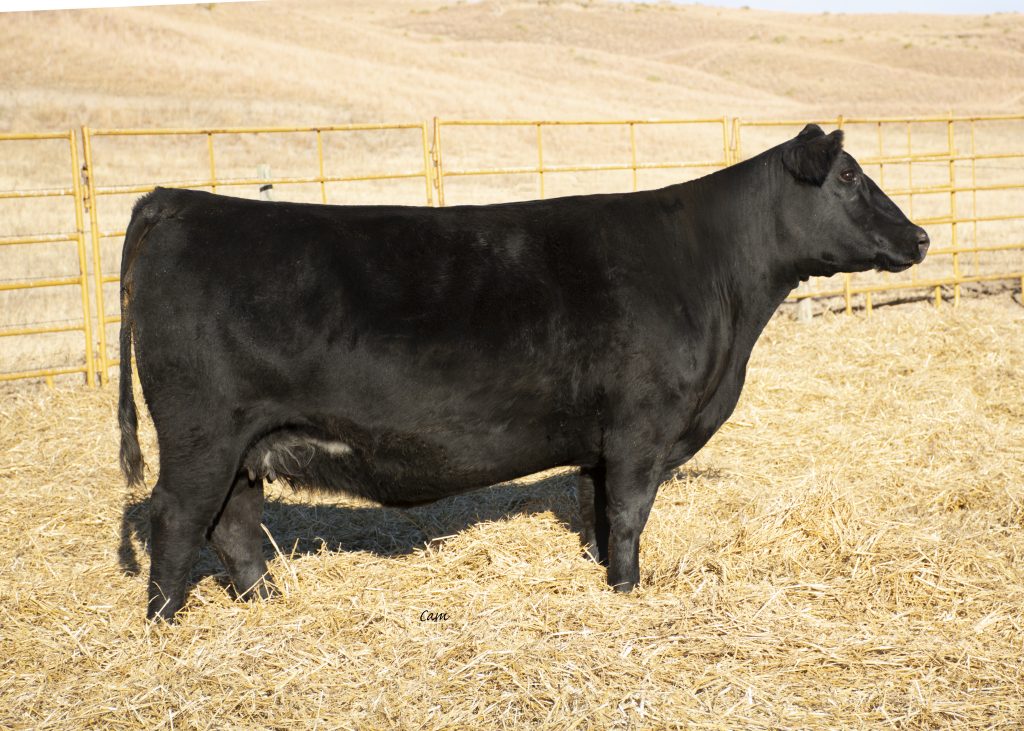
-
Balanced, dependable cattle are at the heart of Pilakowski Angus. They are bred to work just as well for the family as they do for neighbors across the Sandhills.
Pilakowski Angus5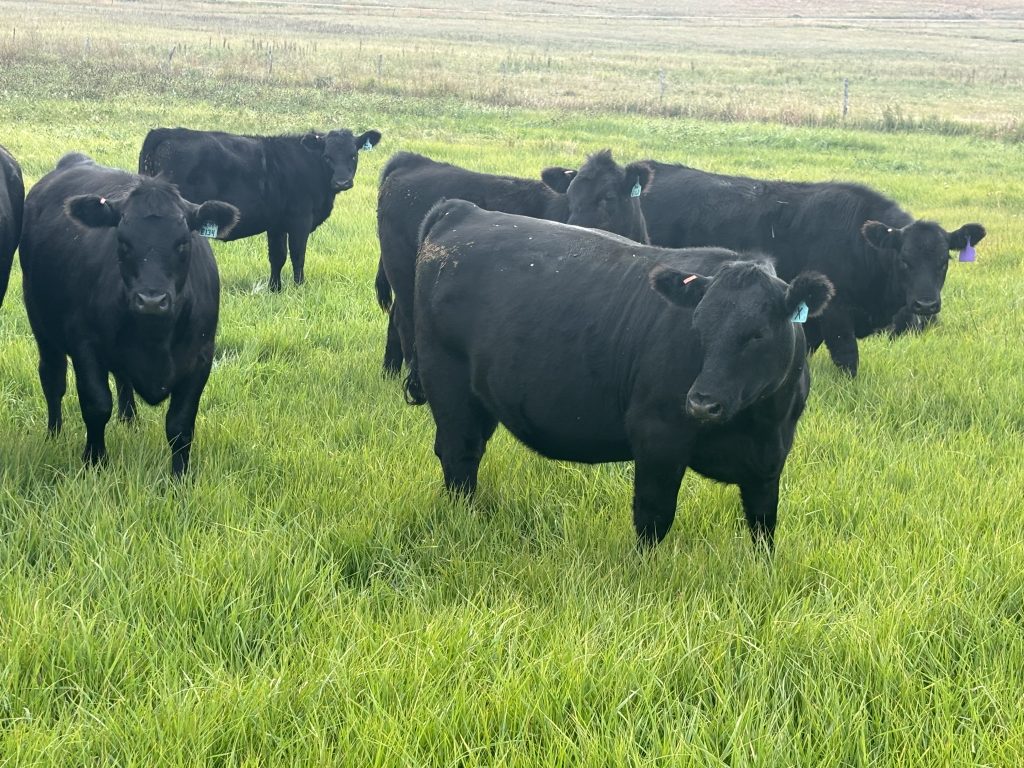
-
Summers in Arthur, Nebraska, are spent in the hayfield. It’s often a community effort, where neighbors still trade help and equipment.
Pilakowski Angus6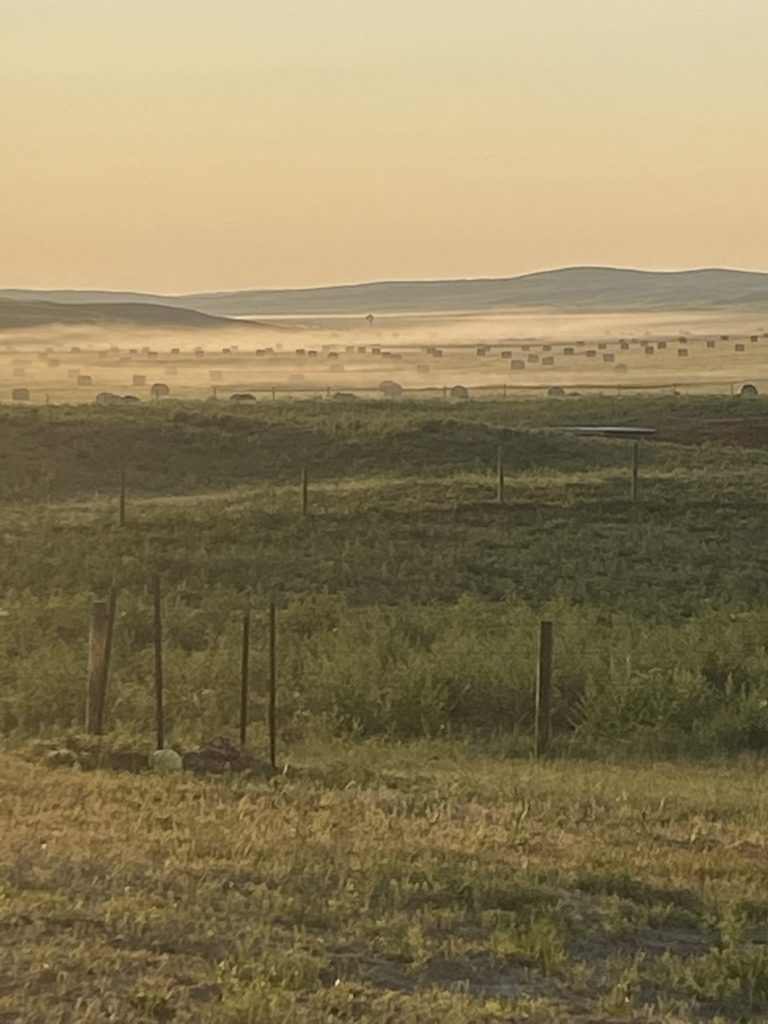
-
Pilakowski Angus is a family operated Angus seed stock operation located in Arthur County, Nebraska.
Pilakowski Angus7
-
Pilakowski Angus is a family operated Angus seed stock operation located in Arthur County, Nebraska.
Pilakowski Angus8
-
The Nebraska Sandhills environment shapes every decision Mike Pilakowski makes for the operation.
Pilakowski Angus9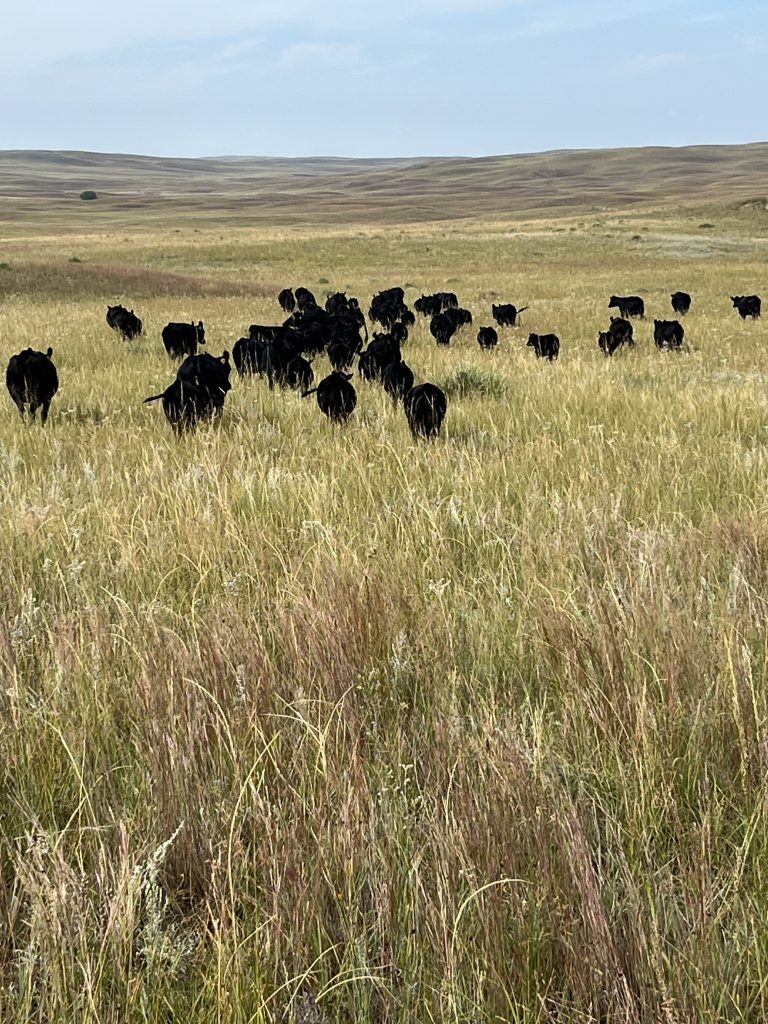
-
Pilakowski Angus raises cattle that work for the people who buy them. Since their cows run in the Sandhills, the operation has grown mostly by keeping their own heifers, around 20 or 25 a year, to ensure they work in their environment.
Pilakowski Angus10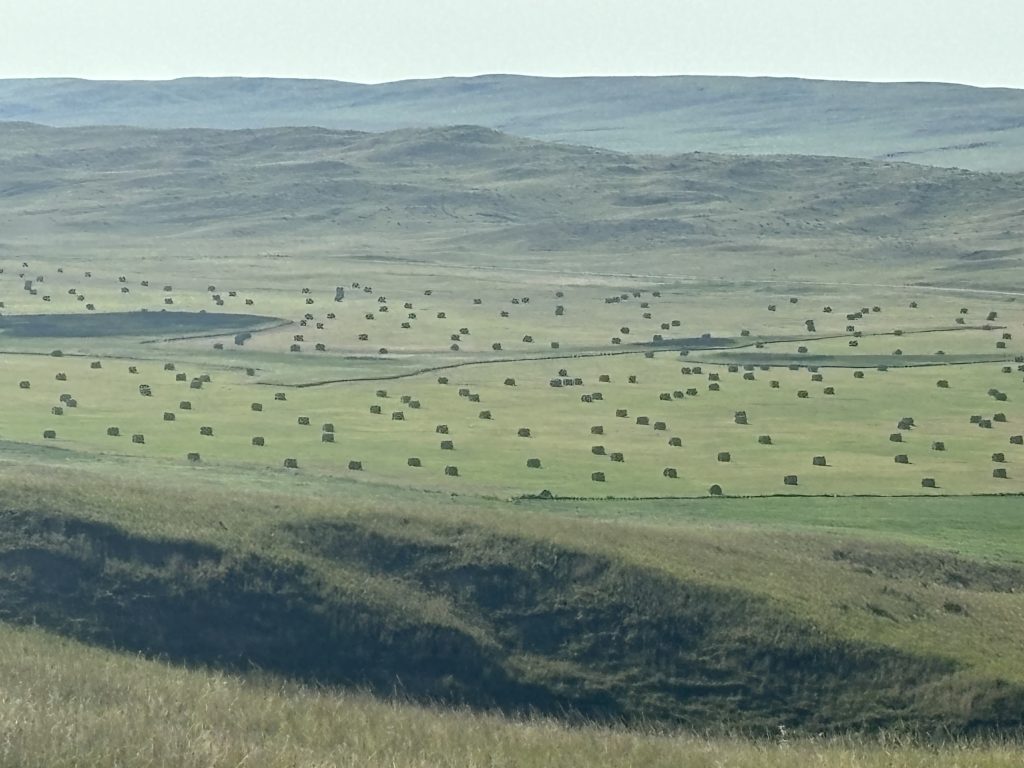
-
Pilakowski Angus11
Mike Pilakowski has built his herd on a simple philosophy: raise dependable, predictable Angus cattle that work just as well for his neighbors as they do for himself.
For Pilakowski, who runs Pilakowski Angus in the Sandhills community of Arthur, Nebraska, raising predictable, balanced cattle that work for his neighbors isn’t just good business. For him, it’s the foundation of his breeding philosophy.
“We sold 48 bulls last year and about 90% went to repeat buyers,” he said. “That’s something that tells me we’re on the right track when people keep coming back.”
Pilakowski, his wife, Melissa, and three children, Dane, Colton and Madelyn, moved to the Arthur area in 2021, and while some said it might be hard to get a foothold, local support has been incredible.
The journey that brought them here traces back to friendships, a few Angus heifers and a dad who wanted to do something meaningful for his three kids.
“When the kids were younger, a gentleman I’d become friends with was having an online heifer sale,” Pilakowski said. “He told me if I wanted to buy each of my kids a heifer, he’d run them for us if I would AI his cows for him in the spring.”
That simple arrangement, part family project, part neighborly trade, was the beginning of what would become Pilakowski Angus.
Their kids helped with the heifers, learning to halter-break, tag calves and check cows, but Pilakowski’s background and experience with cattle soon turned those few animals into the foundation of something more.
“Once we had those first calves, I started thinking about how we could make the next ones a little better,” he said. “That’s really where it started to take shape.”
Pilakowski grew up near Columbus, Nebraska, where his family raised crops, hogs and cattle.
“I always liked the cattle a little more,” he said.
His interest led him to work for several purebred operations across Nebraska and South Dakota. During that time, his longtime friend Sam Carter (who started the herd that would later become Pilakowski Angus) moved his cattle to Arthur. Pilakowski was living near Valentine, Nebraska, with his family and working for an embryologist, while also helping Sam part-time in Arthur. After Sam’s passing, the Pilakowskis relocated to Arthur in 2021, where Mike, his wife, who is a teacher, and their three children now make their home.
“In 2019, Sam had a stroke, and in 2020, he passed away,” Pilakowski said. “It was hectic trying to manage both places, so in 2021, we moved to Arthur full time. They had a dispersion of the Carter family Angus herd and we bought what we thought were the best and what we could afford. But all of our cows go back to what Sam had started here.”
Today, the herd reflects years of steady progress, not through big leaps, but through consistency and clear breeding goals.
“We’ve got room to grow, but our cows run in the Sandhills, and I can’t go out and buy cows from many other places,” Pilakowski said. “We’ve grown mostly by keeping our own heifers, around 20 or 25 a year. We want to raise cattle that work for the people who buy them. That means being consistent, not chasing every trend, but keeping cattle that perform in our environment and for our customers.”
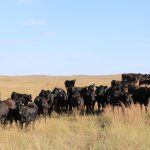
That idea of “working for the environment” carries a lot of weight in this part of Nebraska, where the land itself demands practical cattle. Winters can be harsh, grass is native and sometimes short and cows are expected to graze, raise a calf and breed back without pampering.
“We’re not trying to make them fit a show ring,” he said. “We want cows that get up, go to work and stay in the herd. Our cows have to travel. We’ve got big pastures. One is six sections. From the time they’re bred as heifers, all they get is hay, minerals and a little liquid protein supplement. Our cows have to make a living.”
That approach carries over to his breeding strategy.
“Our cows get one chance at AI, two chances with a bull and if they’re open, they’re gone,” he said. “I believe there are too many good cows in the world to mess around with ones that cause problems. If you’ve got good cows, you can breed them to almost any bull and get sellable calves.”
Overall, he aims to stay in the middle ground with breeding.
“Our customers are mainly local, so I know the environment those cattle are going into,” Pilakowski said. “I try to breed for a variety of customers. Our customers do all kinds of things. Some feed out calves, some butcher and sell meat and others sell at weaning. Not every bull is a carcass bull, and not every bull is extreme maternal. I really try to stay in the middle. If I know a bull won’t work for someone, I’ll tell them. It might cost me money, but it saves me a customer.”
While the numbers matter, his breeding philosophy goes beyond data. He pays close attention to structure, disposition and cow efficiency — traits that can’t always be measured.
“We’re all in the same conditions out here,” he said. “If a cow works for me, she’ll work for my neighbors. The EPDs are helpful, but you still have to like what you see when you’re standing behind them. You can’t forget about the kind of cow you want to look at every day.”
He’s seen breeding tools evolve, but he’s careful not to let technology drive decisions on its own. “I use the tools, but I still trust my eye,” he said. “You can’t lose that connection to what works in your environment.”
For Pilakowski, the people around him, the local ranchers who have supported Pilakowski Angus from the start, are a big part of what keeps him motivated.
“One of the best feelings is when neighbors tell me how much their calves have improved after using our bulls,” he said. “A lot of our customers are friends or neighbors. They know the kind of cows we run and the conditions we run them in. When they buy a bull from us, they know what they’re getting. We all want the same thing: cattle that do their job without a lot of problems.”
The herd has grown, but for Pilakowski, it’s not about chasing numbers or expanding rapidly, it’s about seeing his cattle make a difference for others. As he looks to the future, he measures progress not only in the calves born each year but in the opportunities those cattle might create for the next generation.
“We’re proud of what we’ve built, but we’re always looking ahead,” he said. “There’s always another generation to think about in the cattle and in the family.”
For family, Pilakowski remains grateful for the steady support of his wife and children.
“It sure helps to have a wife with a good job alongside this, especially when times are tough,” he said. “For the future, if one of our kids doesn’t want to come back, what we have now is enough for me. But if not our children, who’s to say there isn’t a young person somewhere who wants to work into something like I did? I was given a chance by my friend Sam just out of the blue, so there could be an opportunity here for somebody in the future, too.”
For his cattle, as the calving season approaches, he continues to look for that balance between progress and predictability. It’s the same balance that got him started. What began as a way to teach his kids responsibility has grown into a program respected by his community and trusted by customers.
In this business where results show up one calf crop at a time, it’s been a steady, neighborly approach that sets Pilakowski Angus apart and keeps them going year after year.
“I enjoy the work and I enjoy calving. You’ve got to like what you do,” Pilakowski said. “That’s really what gets you through the long winters and the ups and downs.”