Breeder’s Connection 2026 | Wade Shoemaker
Ruth Wiechmann Follow
Ranching, rodeo and riding good horses all run deep in Dr. Wade Shoemaker’s life. The Colorado veterinarian spends most of his time on elite equine athletes and maintains a diverse large animal practice. He and his family raise and market registered Angus cattle and breed American Quarter Horses. And somewhere amidst it all, he still finds time to rodeo.
-
The Shoemaker family: Coy, Wade, Dawn and Kassandra.
WS1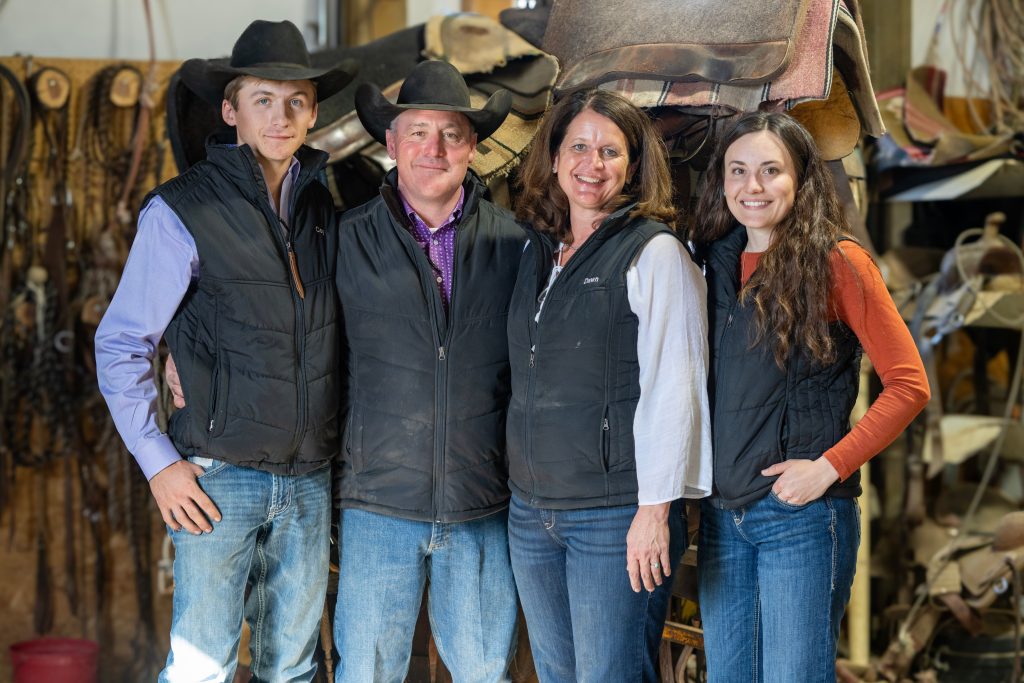
-
Dawn and Wade Shoemaker.
WS2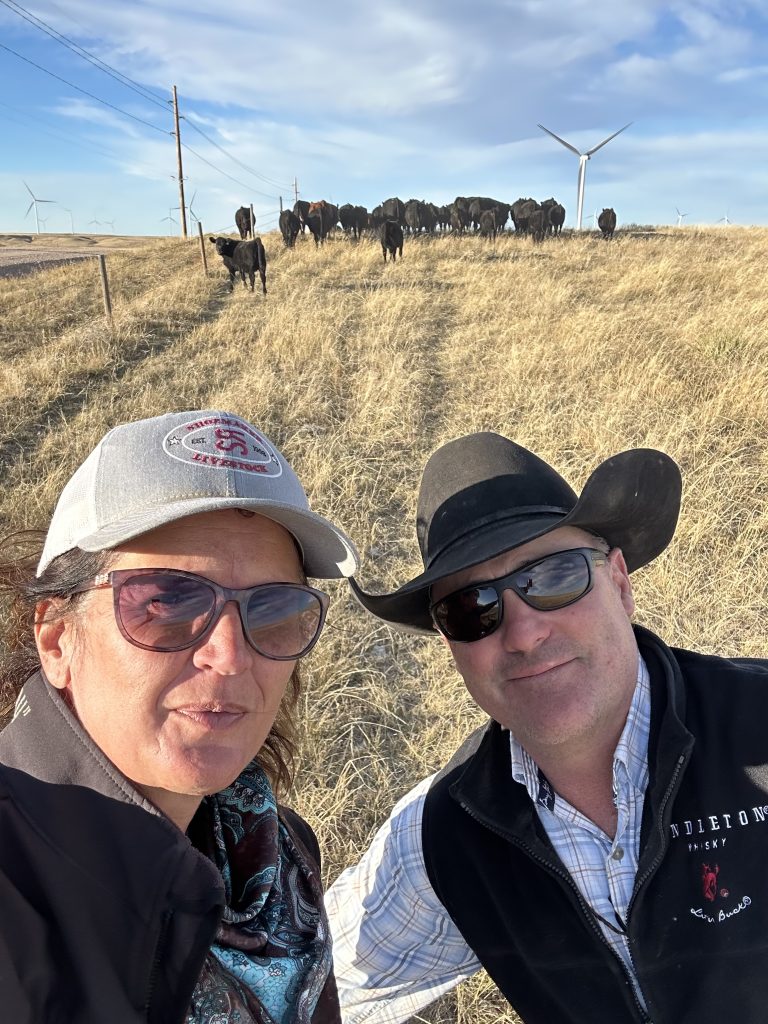
-
Coy, Wade, Dawn and Kassandra Shoemaker.
WS3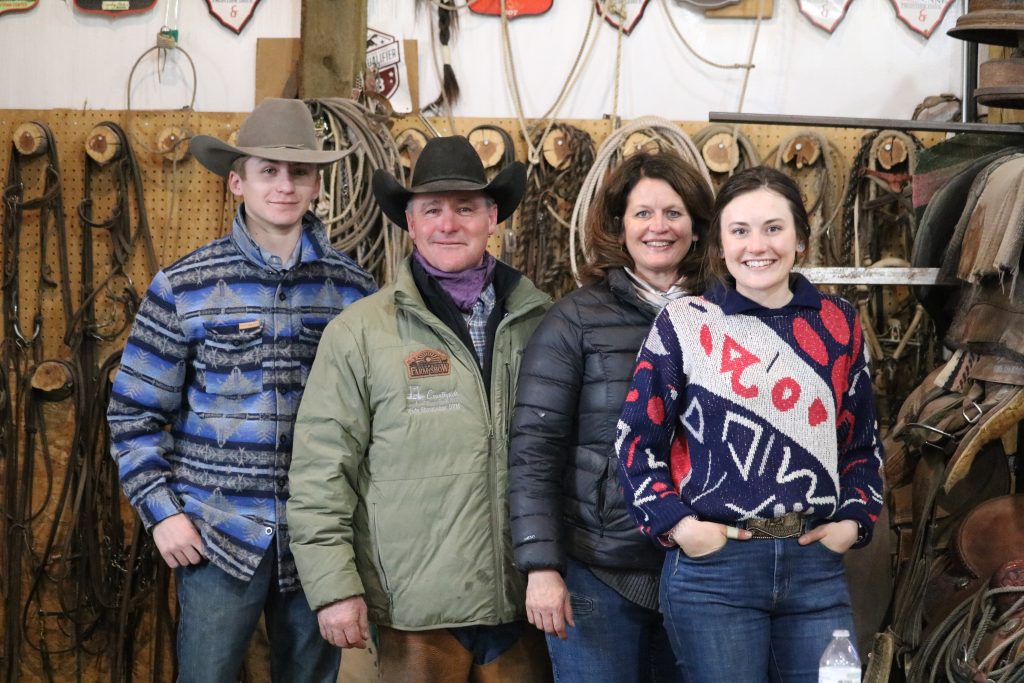
-
-
Coy, Wade, Dawn and Kassandra Shoemaker
WS4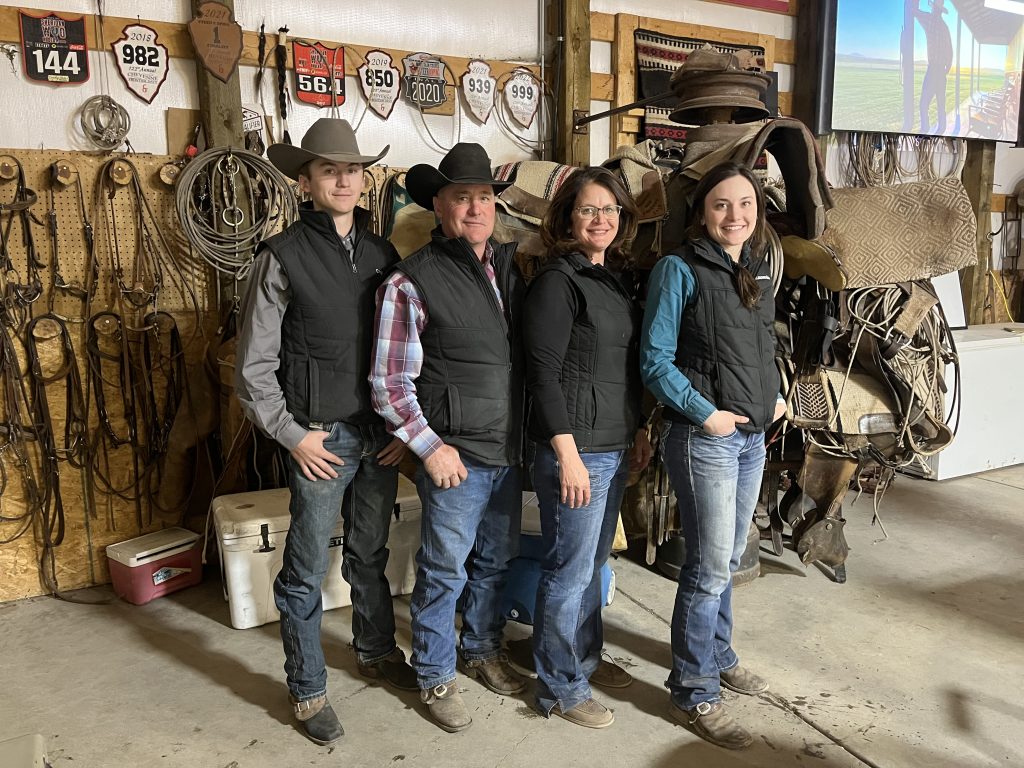
-
Shoemakers prioritize using the horses they raise on the ranch.
WS5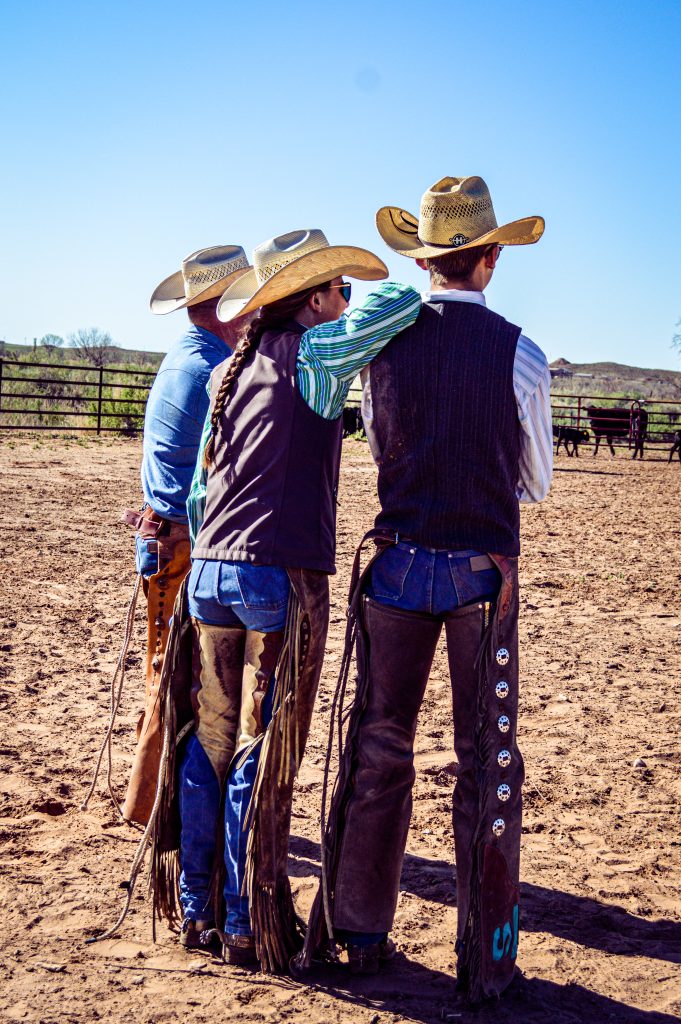
-
Shoemakers raise versatile horses that excel in the arena and on the ranch.
WS6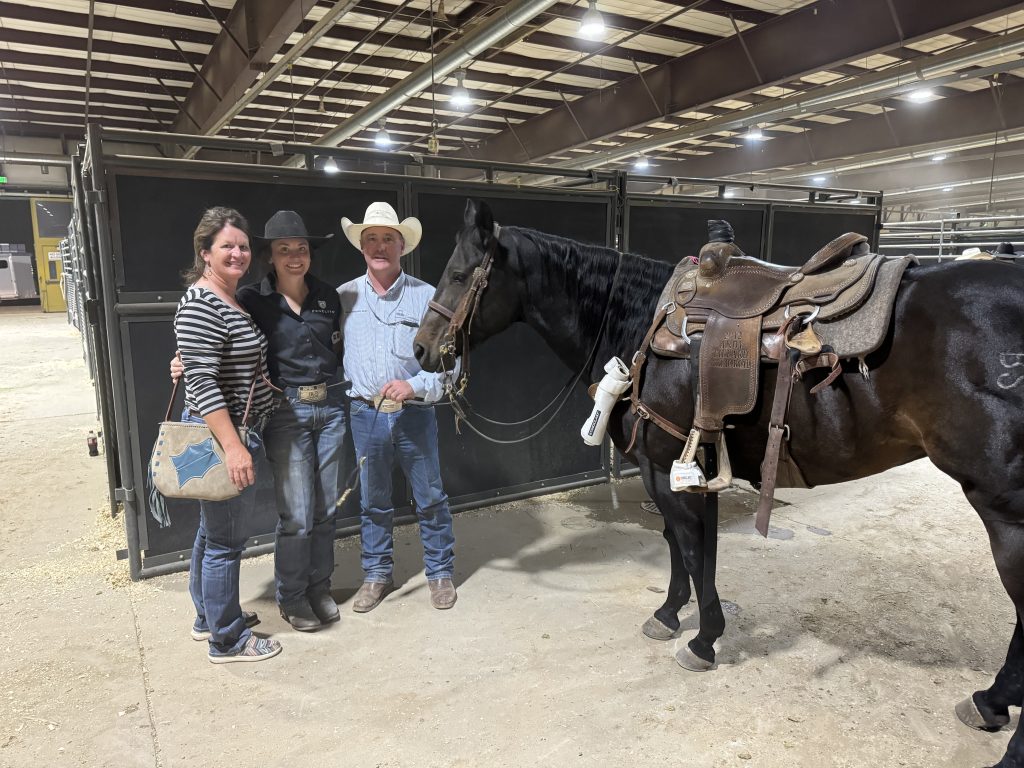
-
Wade Shoemaker competes on home-raised horses.
WS7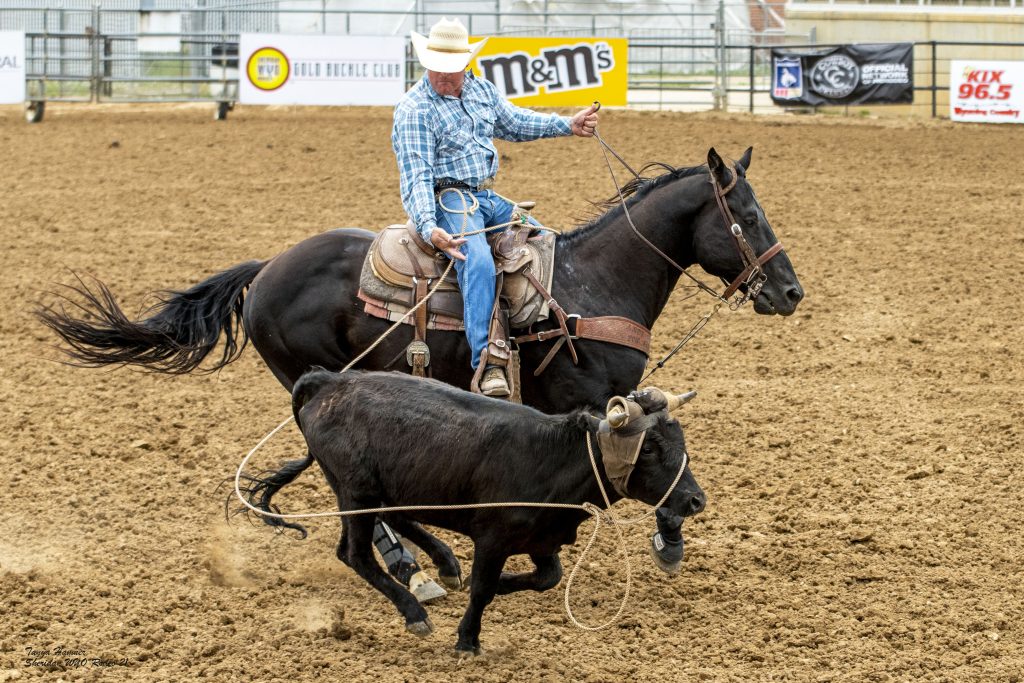
-
Kassandra Shoemaker was the first woman to enter PRCA steer roping and was the first woman to win a check in the event.
WS8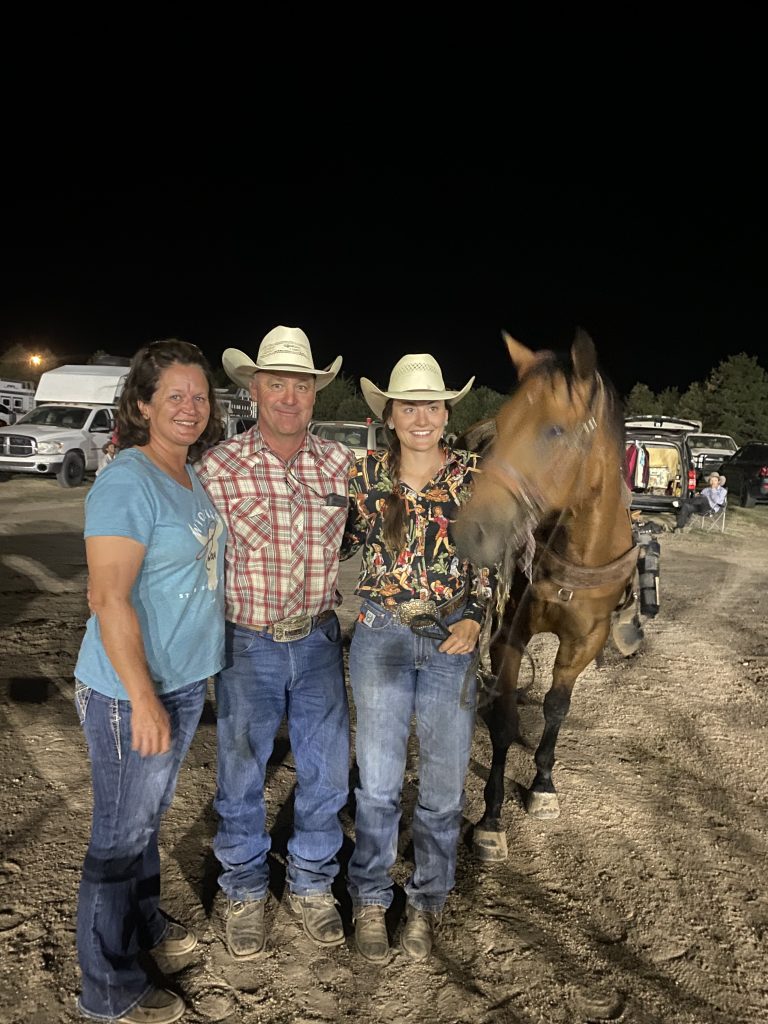
-
Shoemakers have kept working cowboy traditions strong on the ranch and in the arena.
WS9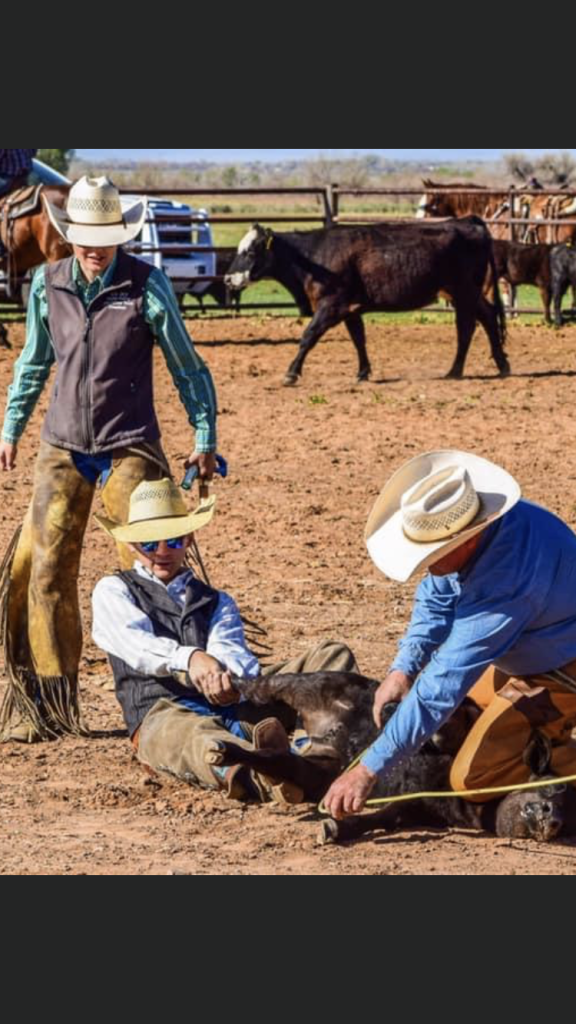
-
Shoemakers love riding home raised horses out of a long line of horses they have bred, trained, ranched and competed on.
WS10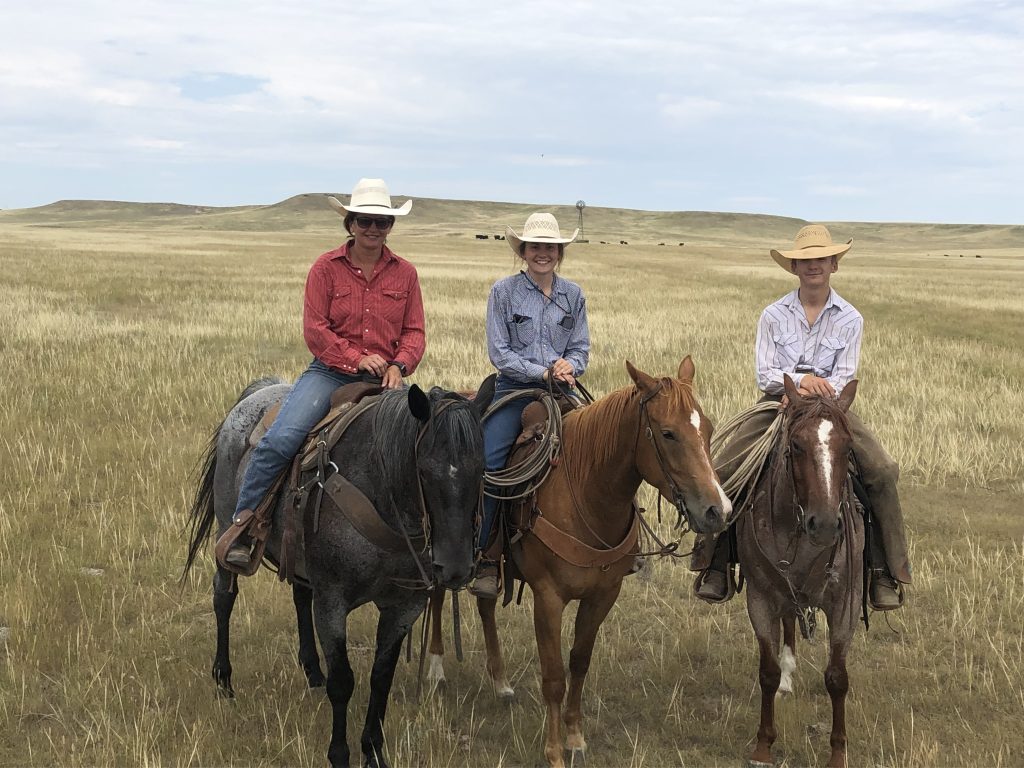
-
Shoemakers stallion, Shoe Continental Jet, has competed at the AQHA World Show in heading, and is a horse they can put anyone on.
WS11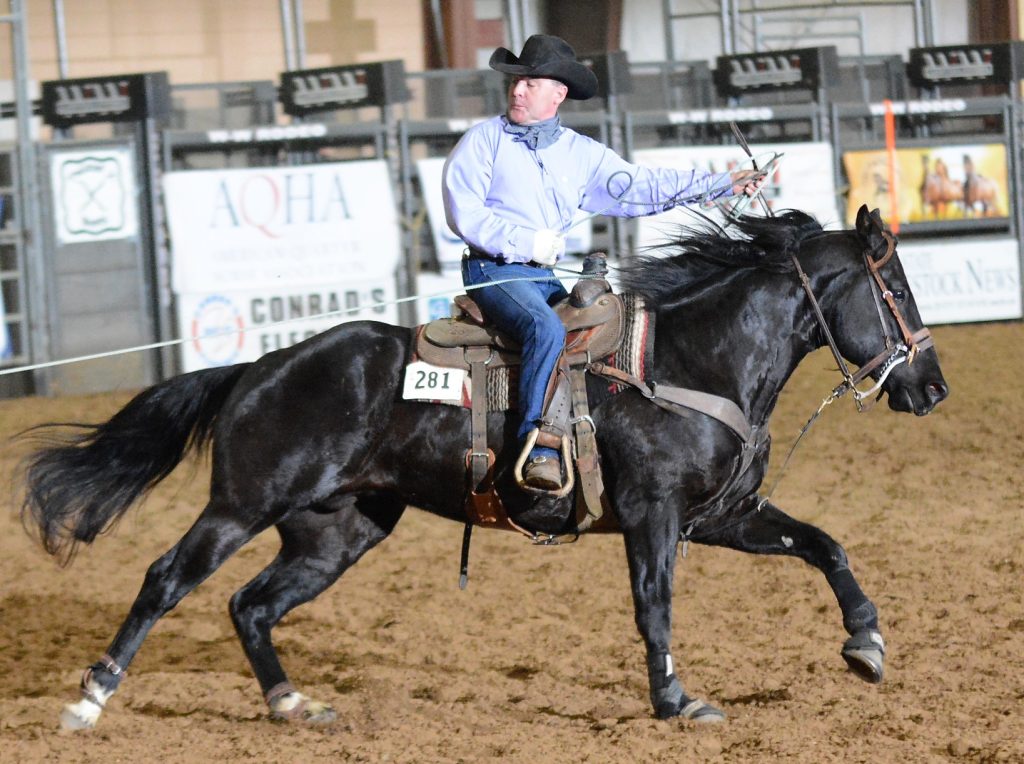
-
Wade Shoemaker.
RAZORBACKFOTO.COM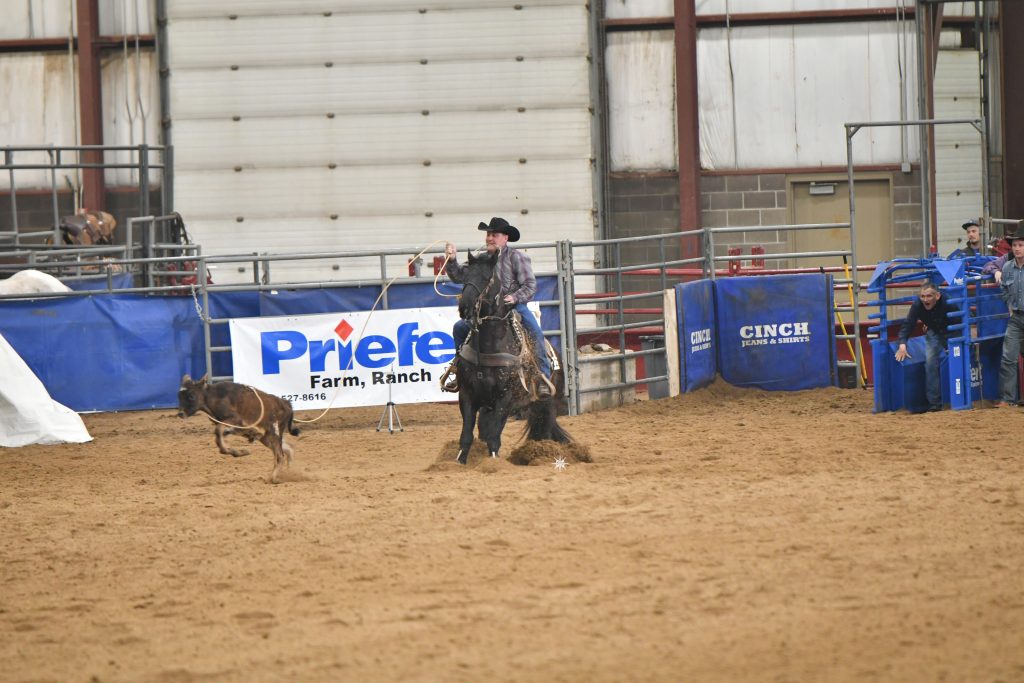
-
Shoemakers’ children, Kassandra and Coy, are both involved in rodeo.
WS14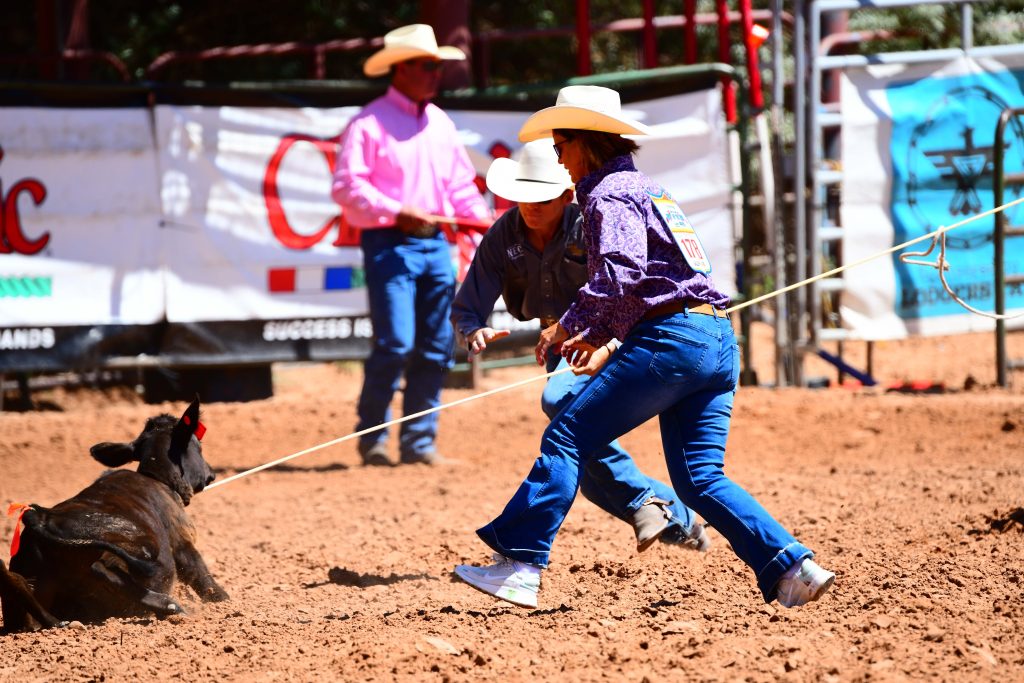
“I grew up in on a mountain ranch near Divide, Colorado, around 9200 feet,” he said. “My parents ranched up there and ran commercial cows and yearlings, but we always had a set of broodmares.”
Riding home bred and raised horses is nothing new; Shoemaker grew up on horses his parents raised.
“Most of my youth the horses we rode were mostly bloodlines we raised,” Shoemaker said. “Many went back to old Hugh Bennett mares, but my parents crossed on all kinds of studs: Dash for Cash, Jet Deck; mom and dad told of seeing Jet Deck in his stall.”
Unfortunately, Shoemaker no longer has mares carrying those old lines.
“We rode mares, and I still ride a lot of mares, even though in the rodeo world, especially in the steer roping, riding a mare is almost taboo.”
Years ago, Jess Sonn, a well known Wyoming cowboy told Wade, “You’re a nice kid and you’re getting pretty good, but if you want to win, you’re going to have to quit riding mares.”
A few years later, standing in the same parking lot at the Wyoming State Fair in Douglas, Jess told Wade he had something to say to him.
“‘I’m sorry and I was wrong,’ he told me. ‘I’m a hard headed, smoky old man, and you know I told you standing right here in this parking lot at this rodeo that you would never win if you kept riding mares. Well, I still don’t think you will, but that is a really special mare you’re riding there.'”
Shoemaker’s “good brown mare” only missed qualifying for the National Finals Rodeo by a few thousand dollars back in the years Shoemaker was busy building a set of registered cows, raising kids and building a vet clinic and only going to 16 or 18 rodeos in a year.
One year at Ellensburg, a man came out of the crowd and wanted to know if Wade was riding a mare.
“I can’t believe you ride a damn mare,” he said. “Do you know how many guys are entered in this rodeo? Out of 118 guys entered, you are the only one riding a mare, and I can’t believe she works so good and you won the first round on her.”
Shoemaker chuckled, recalling how Trevor Brazile, JD Yates, and Rocky Patterson all stepped forward, and each of them in turn, starting with JD, said, “I’ll tell you about the mare.”
“Each of them told about my mare and I didn’t have to say a word,” he said.
Shoemaker’s mare, Sally, registered as San Kai Fifty Seven, was foaled on the Haythorn Ranch in 1995. Shoemaker went to the Haythorn sale in 1998 with a friend to help him pick out a good broke gelding to rope on, and with strict instructions from his wife of just three months not to buy a horse.
“I couldn’t afford to buy lunch, let alone a horse,” Shoemaker said.
He had recently sold a horse, and had $1200 or $1400 from that sale, but as the sale went on, it was pretty clear that this amount wasn’t going to go very far.
“I went and looked at the young mares, and there were three I admired that were all bred about the same: a gray and two browns. But I knew I couldn’t afford them.”
Mostly Shoemaker spent the day enjoying visiting with people he knew.
“It was obvious what my role was that day; I was there to tell Scott Moser when to bid,” he recalled. “The sale goes on and they’re 100 some horses deep when I decide I’ll watch those three young mares sell and then go get lunch.”
They led the gray in and she brought six thousand. Then they led Sally in, and had started the bidding when a lighting strike that knocked out the power.
“The sale stops,” Shoemaker said. “Lex Madden was auctioneer and he said they would delay the sale till they got the power back on. Everyone left. The lights pop pack on, and nobody remembered the bid so they started over and were grinding along. Now they were pushing trying to get done because the storm was rolling in. They had an $1100 bid, and I bid one time on my friend’s number. Lex looks at me, shrugs, and sells her to me.”
“We went to buy one broke gelding and left with one crippled broodmare, a really nice gelding, and a three year old bronc stuffed in the back of the trailer with roping calves I borrowed from Craig Haythorn.”
Little did Shoemaker know how instrumental that mare would eventually become in his breeding program and his rodeo success. While he regrets not having the bloodlines of the Bennett mares of his childhood in his herd, he said the Continental Fly, Eddie and Hancock lines are even better.
“A lot of what we ride today are offspring of that good Sally mare or her first son.”
As Wade and his friend headed west after the sale, he figured he had better try to get ahold of Dawn to break the news to her.
“She was at her mom and dad’s house to help gather cows. When I called I talked to her mother; they weren’t back to the house, but when she got back, her mother told her that I had called.
“Dawn said, ‘He bought a horse.’ ‘No,’ her mother said, ‘he didn’t say anything about buying a horse.’ ‘Oh, he bought a horse,’ my wife told her mother, ‘Why else would he call when he’s three hours out? So I have time to get over being mad about it.'”
In spite of everything, Shoemaker said this was one instance that his wife has told him he made the right decision. Sally’s son, a black stallion they named Shoe Continental Jet, is one of Dawn’s saddle horses.
“He has also been to the world show in heading,” he said. “We do everything on ours including ranching. If we need to put someone on a horse we can trust, he’s the one.”
Multiple generations of Sally’s offspring have carried the Shoemaker family, including carrying daughter Kassandra to receive the first check ever won by a woman for steer roping in the PRCA, and son Coy, who is on his way to the College National Finals Rodeo on home raised horses.
Shoemaker learned early in life that shoeing horses correctly was vital. Where he grew up, the country was so rocky they had to put front shoes on the broodmares just so they could get around.
“The adage of ‘no hoof, no horse’ stands true. When I was 12, Dad took me to the western store and bought me a new nippers. ‘Congratulations,’ he said, ‘you’re going to learn to shoe horses.’ That was the best gift I ever received. I still have my grandfather’s coal forge, and my dad was a dang good farrier although it was hard on his body.”
Shoemaker put himself through vet school shoeing horses.
“I learned in undergrad that there was nothing else I could do with my skillset and my brain that would make me as much money as shoeing horses,” he said.
Now his daughter and son, both of whom he required at an early age to learn to shoe their own horses, are paying their way through school shoeing horses.
“If you know how to shoe horses you’ll always have work,” Shoemaker said.
There is no room to be barn blind: Shoemakers need their horses to work on the ranch and compete in the arena.
“You ride the best one you can get on, but it brings another source of pride when you’re on one you raised, and you raised their mother and raised their father. That’s the fun part.”
Each year when customers show up for Shoemakers’ bull sale, they have a set of horses saddled and ready so anyone can go check out the cow herd.
“It’s pretty cool to see all those horses standing there. Not only do we have a set of saddled horses all with the same brand on them, but for a little guy like us, it’s really neat when they all have the same bloodline,” he said.
Angus Cattle
Although Shoemaker has been around the show world for a long time, he expects his cattle to work for a living. The registered Angus herd has a strong Conneally influence, with even older lines on the dam side including EXT and Basin Payweight.
“We’re pretty old school, not really trendy in the bloodlines we use,” he said. “Our cows are more moderate framed than the average, and certainly less pampered than most. We have fairly open winters, but we haven’t fed our cow herd a bale of hay the last two years. We’re just a cake and grass outfit.
Shoemakers’ years as busy young parents while establishing a veterinary practice necessitated running cows that didn’t need a lot of attention.
“We don’t shed cows unless it’s an absolute blizzard,” Shoemaker said. “We don’t night calve or check heifers. We ride through every morning and tag calves and check again in the evenings. This has made us a set of what we call ‘tough mothers.'”
Countryside Large Animal Veterinary Services, PLLC
Located at Greeley, Colorado, Dr. Shoemaker’s veterinary practice serves everything from 4H pigs and lambs to extremely talented equine athletes. The state-of-the-art hospital and surgery suite provides a spot where other area veterinarians can bring their animal patients to perform procedures that require “a gold-standard of care.”
“Depending on the time of year, we may have as many as six doctors working out of our hospital,” he said. “They can bring their patients in, not only equine, but any food animals. A lot of places specialize on the equine side, very few have a true mixed large animal hospital. There is no surgery we can’t do, haven’t done or won’t do on anything with a hard foot.”
Countryside also provides an ideal training ground for vet students and interns.
“There are very few places they can go where they can practice and learn this level of veterinary medicine and care for horses and food animals,” Shoemaker said.
The clinic also provides a space free of charge to farriers who work on clients horses.
The most unique aspect of the Countryside hospital are Shoemaker’s colleagues who collaborate with him.
“We have some cool vets from all over the western U.S. who know our practice,” he said. “We’re getting to be ‘those old guys’ now and it is nice to be in a position to give back and train young vets coming up. Maybe we can save them reinventing the wheel in some cases.”
Shoemaker spends most of his time working on upper level performance horses, from dressage horses and jumpers to cutters to rodeo horses.
“I rode quite a few jumpers as a kid so I understand them,” he said. “One client won the NCHA futurity last year. I work on a lot of rodeo horses. With me rodeoing professionally and being around those guys, they know that I know what that horse needs to be successful.”
Shoemaker still enjoys pregnancy testing cows and semen testing bulls as a change of pace from his equine work. He still enjoys working on local kids’ 4H animals, and area ranch horses, but the equine elite keep him on the go.
“We’re like everyone else in the western U.S. trying to make living in agriculture,” he said. “We’re trying to find a way to take care of our animals, take care of the land and in doing that take care of each other. It seems to be working ok.”