Breeder’s Connection 2026 | Western Colorado Angus Association Annual Bull Sale

The Western Colorado Angus Association has been promoting and improving the Angus breed in western Colorado for 50 years. Association members within Colorado and west of the Continental Divide raise registered Angus cattle acclimated to the unique conditions of the region and gather in Delta every spring for the association’s annual bull sale. One of the biggest draws to the sale is the fact that every bull is PAP tested and guaranteed low scores, a positive indicator that the cattle will be resistant to brisket disease.
-
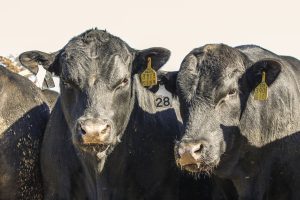
All bulls at the WCAA sale are purebred registered Angus bulls 30 months of age or younger.
Angus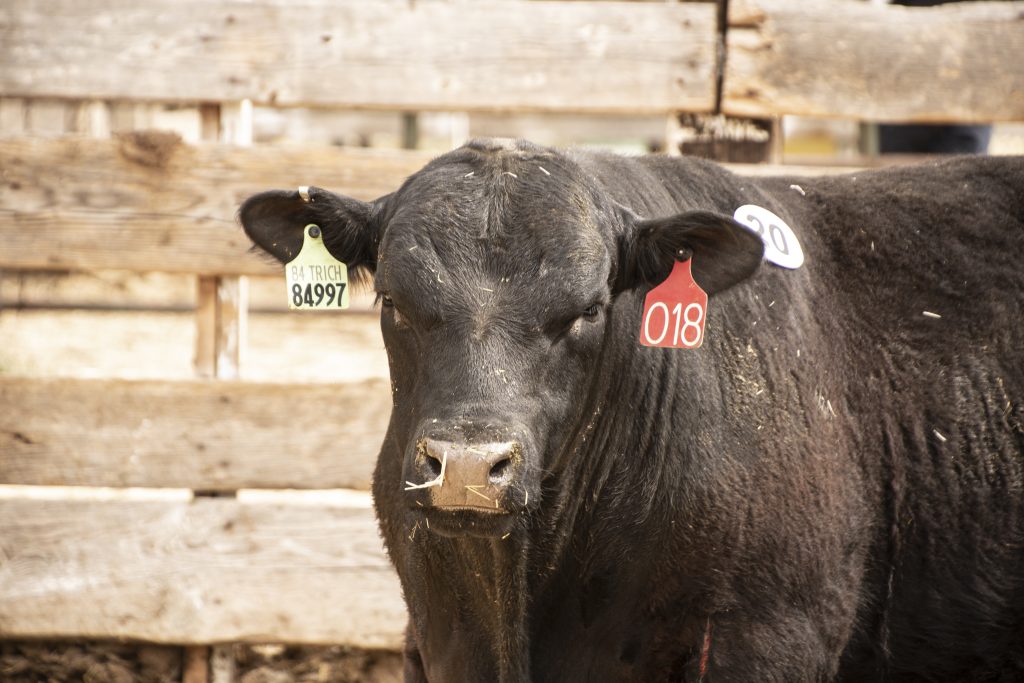
-
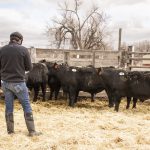
Buyers are welcome to view the bulls at any time after their arrival at 3 p.m. the day before the sale.
Browsing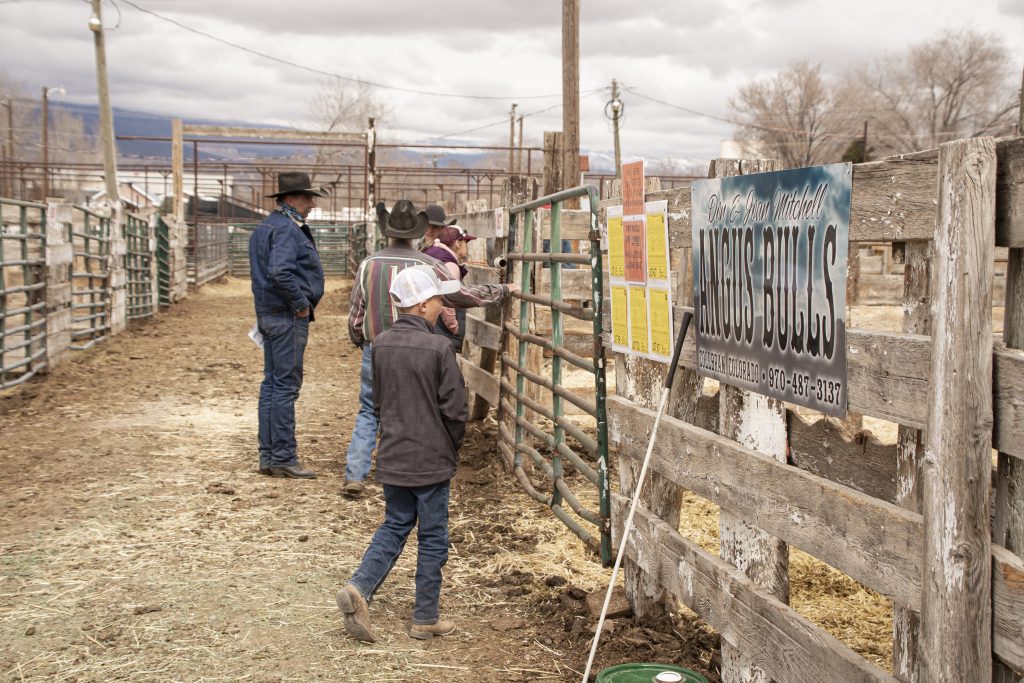
-
PAP tested bulls with low scores are one of the biggest draws to the annual WCAA sale.
Bull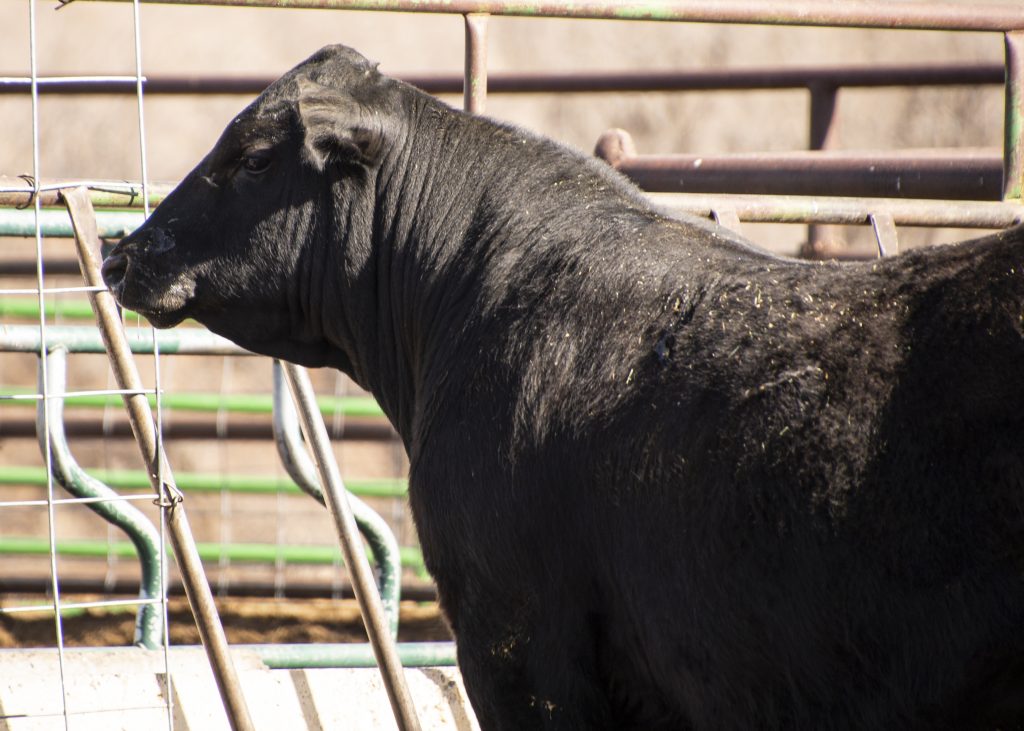
-
-
The WCAA sale boasts a variety of bulls adapted to meet a wide range of rancher preferences.
BullBody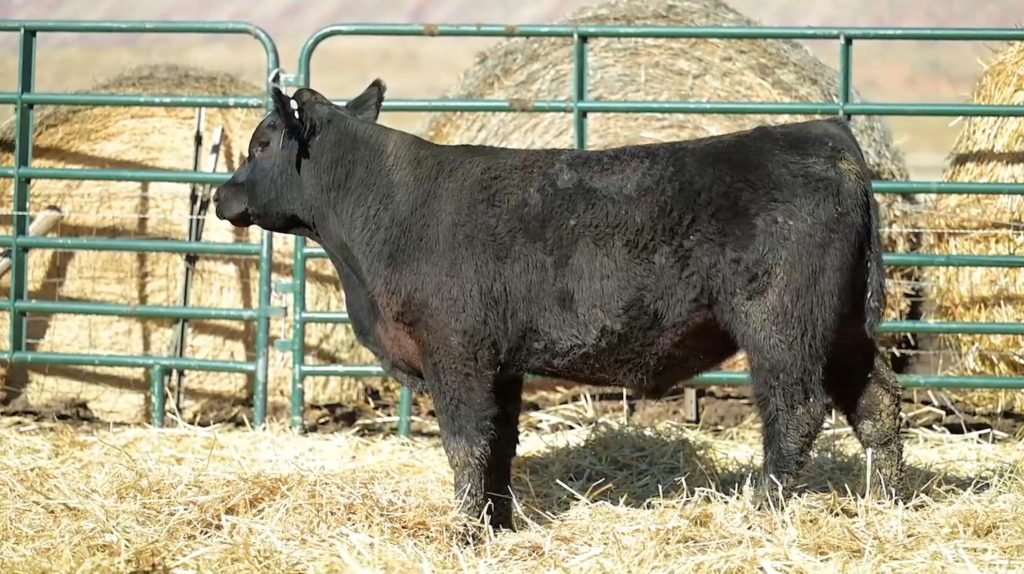
-
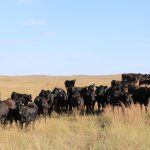
An average sale with run 70-100 bulls from 10-12 unique sire groups.
Bulls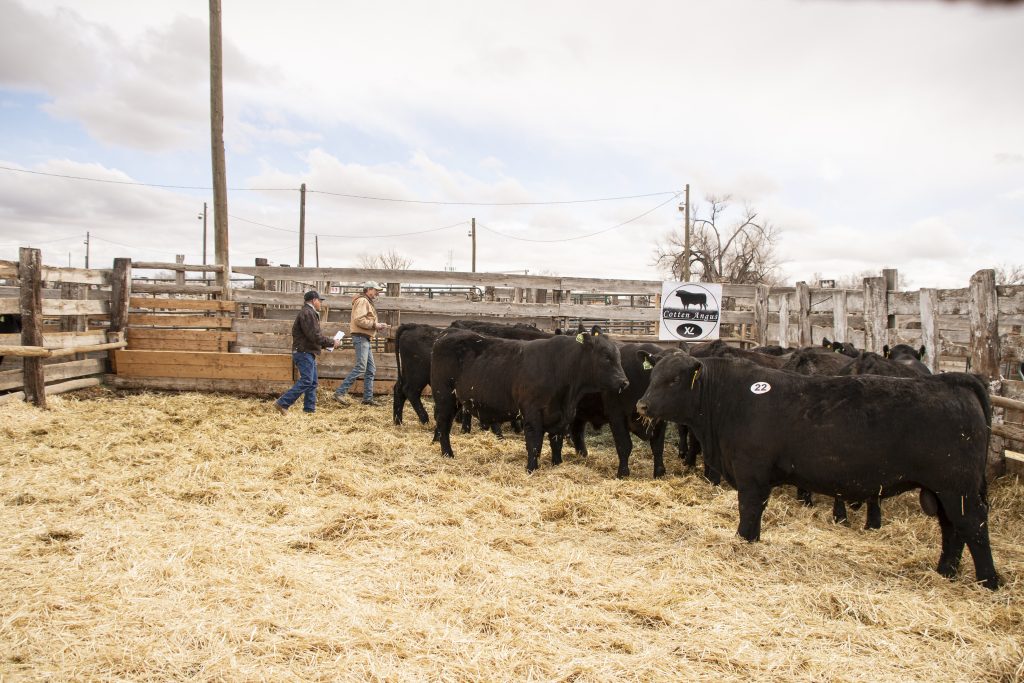
-
A lot of hard work goes into running one of Colorado’s oldest bull sales.
Sorting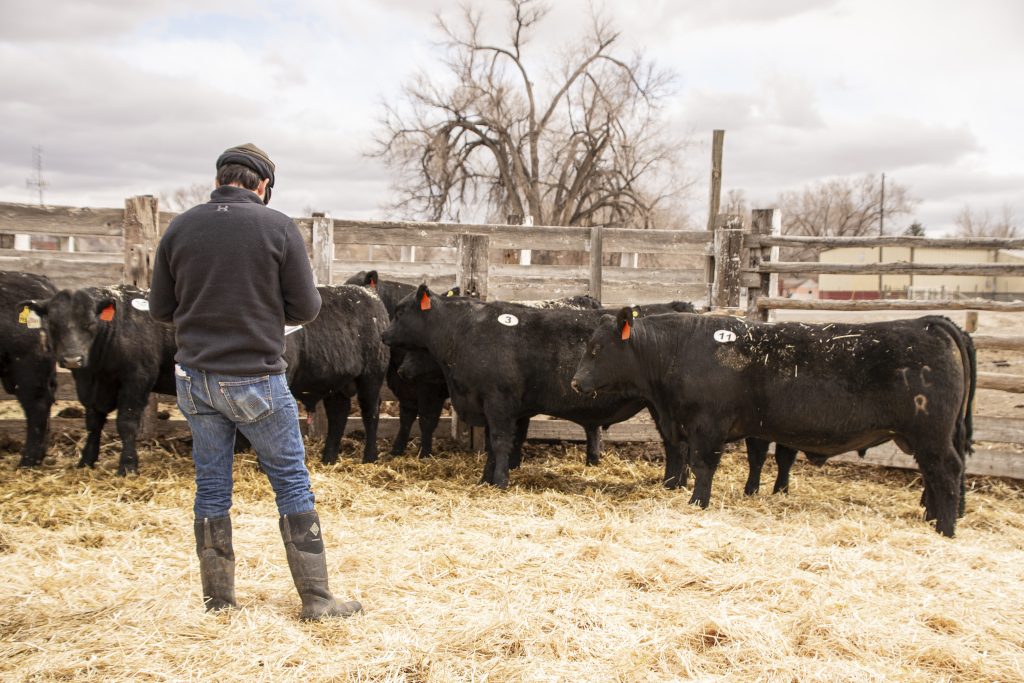
For ranchers in the high elevations of western Colorado, brisket disease (also known as bovine high mountain disease or bovine pulmonary hypertension) is a major concern. As elevation increases, the amount of available oxygen decreases. According to Dr. Tim Holt, veterinarian and CSU professor, this results in a condition known as hypoxia. When animals face low oxygen conditions, deoxygenated blood is shunted from the lungs and enters arterial circulation. “The problem with cattle is that they shunt at a very, very rapid rate, and it’s nonreversible,” he said. In humans, the lungs are relatively elastic and can recover from this process. In cattle, the lungs close rapidly and can’t relax again. This is known as brisket disease and is often fatal.
Fortunately, the likelihood of developing brisket disease is heritable. Producers can utilize pulmonary arterial pressure (PAP) testing on their cattle to identify individuals with a low likelihood of experiencing symptoms at high altitudes. PAP testing involves running a catheter through the jugular vein and the heart to check the lung pressure. “We’re looking for animals with a very low pressure, because that means they’re dealing with the altitude with a normal response,” said Dr. Holt. Most ranchers in the higher elevations of western Colorado have their cattle tested, so it’s easy to compare scores and identify which lines are suitable for production at high altitudes. The higher the elevation at which cattle are tested, the higher the PAP score will be. WCAA tries to offer a group of bulls that have all been tested in similar circumstances and allow customers to pick from those scores. Their sale is limited to bulls with low scores, typically 41 or lower.
That’s part of what has attracted people to the annual sale, which will be in its 50th year this March. Hugh Hardman, the WCAA sales manager, is the fourth generation in his family to be involved in the association.
His great-grandfather was among those who first put on the sale, which is now one of the oldest in the state of Colorado and often the largest featuring PAP tested bulls. It features between 70 and 100 bulls brought by around 10 consignors. Bulls brought to the sale have to be registered Angus bulls 30 months of age or younger and fertility and PAP tested. “Everything has to get PAP tested,” said Hardman. “If you don’t have your bulls PAP tested, then you can’t consign a bull.”
While the testing is a big draw, Hardman also believes that the variety of the sale is part of the appeal. A typical sale will feature 10 or 12 different sire groups, most out of top AI Angus sires. They come from lines that have been developed in the region for many years, adding to the appeal of having animals acclimated to the climate and altitude. “It’s not just like a closed herd. You’re getting to see, say, 10 different ranches, and they’re all doing different things. Some really pride themselves on bringing calving ease bulls, some really pride themselves on good-footed, all-around bulls.”
Michael Ripp, WCAA president, thinks calving ease is one of the traits their buyers value the most. “Most of our customers like calving ease bulls, so they don’t have to worry about having calving problems. Some customers will buy terminal bulls. They want big calves that are going to grow a lot.” Most of their customers prefer bulls with low birth weights as well as low PAP scores. He agreed that PAP testing is incredibly important in western Colorado and shared that it’s hard to sell a bull that hasn’t been tested.
“We sell to a lot of cow-calf operations that run in the high country, and having a PAP tested bull gives them confidence that their calves are going to be healthy, even in high altitudes.”
As an added bonus, some of their consignors test at higher elevations, which makes them more valuable to producers. The sale has always been popular among Colorado natives and visitors from surrounding states, and Ripp is optimistic about their upcoming 50th anniversary. He teased the potential for something special to commemorate a half century of WCAA sales, in addition to a great lineup of outstanding Colorado Angus bulls. “You spend all year breeding and selecting your calves and selecting the right ones to put in the sale, and hopefully we’ll have a good sale.”
The WCAA sale is always at 1 p.m. on the second Saturday of March at the Delta Sales Yard. Buyers typically arrive by 8 to partake in the breakfast of donuts and coffee as well as check out the lineup. Hardman said that they encourage everyone to show up and look through the group of bulls, which will arrive onsite by 3 p.m. the day before the sale. Buyers can browse the herd and view the day sheets that will provide each animal’s information and stats. More information and the sale book (when it becomes available) can be found at https://www.westerncoloradoangus.org.