America | American Ag Recipes

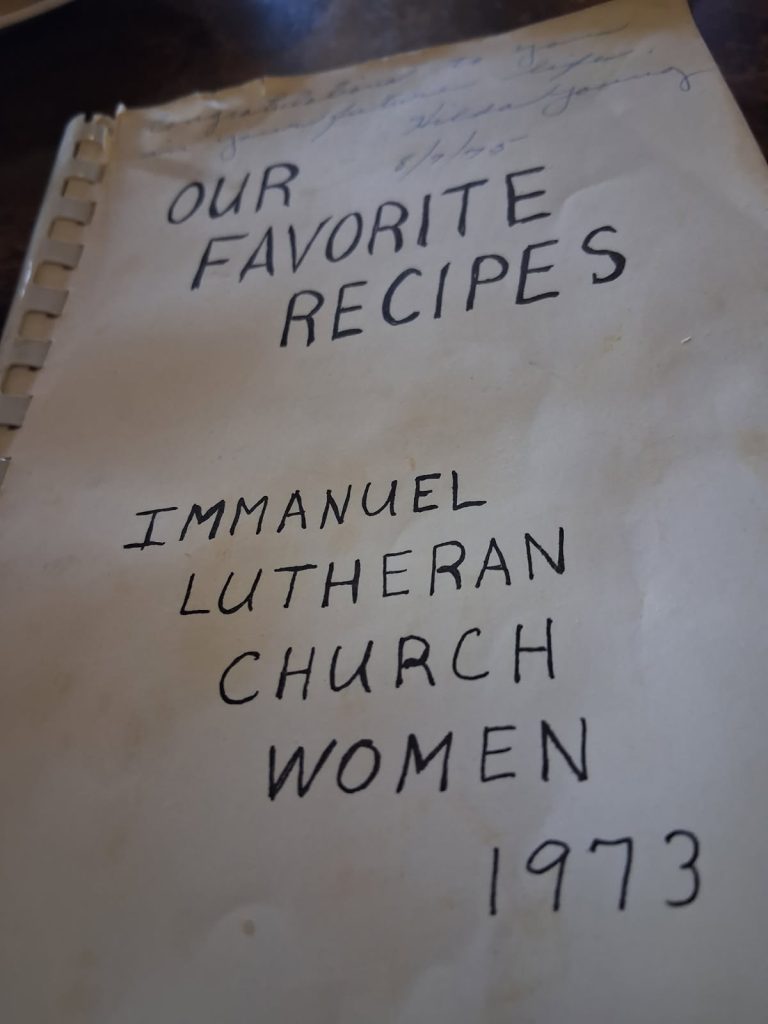
Before recipes lived primarily online and the stories behind their histories were easily bypassed by the “jump to recipe” button, the plastic-bound volumes played witness to history, complete with stains on the pages with the most popular recipes.
The skills and art of baking, preserving, and cooking are passed between family and friends, sometimes as necessity and other times as art. The recipes of each region reflect the agriculture harvest and the history of the families reaping those harvests. There is nary a county fair without prize winning jelly recipes or a church cookbook without a banana bread recipe. Bragging rights have long hinged on green chile, cookies, cakes, and briskets and the staple dishes at a funeral provide comfort and a connection to those who once made them and brought them, wrapped in foil, to share.
FOR THE ISSEI
In 1975, the Brighton Nisei Women’s Club printed a second edition cookbook titled Eastern Western Food and dedicated it to the Issei, or first-generation Japanese in America. The book sales were meant to support the club’s service projects; preserve Japanese Heritage; and promote understanding among all cultures in the area.
At the time of the printing, the cookbook committee was comprised of chair Joanna Sakata, Hazel Tani, Emi Chikuma, Yasuko Tochihara, Sumi Mizunaga, Carol Kishiyama, Faye Kanda, and Marta Matsuno.
Gifting cookbooks and recipes to young brides with a handwritten note filled with well wishes is exactly how Linda Sidwell of Carpenter, Wyoming, came to have her great-grandmother’s recipe for Swedish Meatballs.
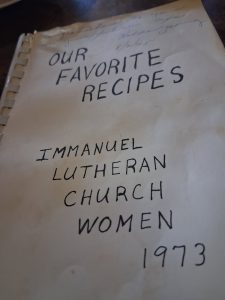
A recipe book, Our Favorite Recipes: Immanuel Lutheran Church Women, 1973, was gifted to Linda in August of 1975 as a wedding gift to her and Jerry. A handwritten note from Hilda Young, a family friend.
The Swedish Meatball recipe was a favorite of Linda’s as a child, always served with a full meal of turkey, mashed potatoes, macaroni and cheese, and lutefisk. The lutefisk, however, was not a favorite of hers. The sauce served on some meatballs, Sidwell said, is an American addition and was not served on Mrs. Lydia Larson’s dish.
When Shelly Arnold married Jim Gabel in 1977, each guest at her shower gifted her a recipe handwritten on a card. Jailhouse cake – because it’s full of nuts, too – quickly became a favorite among a cache of traditional German recipes. It remains in the recipe box today, written in Gwen Ceretto’s cursive hand.
VOLGA GERMAN STAPLES
The late Naomi Dyer, Eaton, Colo., was known for her cooking and the cookbook she compiled was even mentioned in her obituary. Her recipe for kraut burgers, a harvest staple, was printed by Taste of Home, which has long been a source of tried-and-true recipes.
Kraut Burgers
1 package (1/4 ounce) active dry yeast
1-1/4 cups warm water (110° to 115°)
1 cup warm milk (110° to 115°)
1/4 cup sugar
2 tablespoons shortening
2 teaspoons salt
5-3/4 to 6-1/4 cups all-purpose flour
1-1/2 pounds ground beef
1 medium cabbage, shredded
1 medium onion, chopped
Salt, pepper and seasoned salt to taste
Melted butter
Prepared mustard, optional
In a large bowl, dissolve yeast in warm water. Add the milk, sugar, shortening and salt. Stir in enough flour to form a soft dough. Turn onto a floured surface; knead until smooth and elastic, about 6-8 minutes.
Place in a greased bowl, turning once to grease top. Cover and let rise in a warm place until doubled, about 1 hour.
Meanwhile, in a large skillet, cook beef over medium heat until no longer pink; drain. In a large saucepan, cook cabbage and onion until tender.
In a large bowl, combine the meat, cabbage mixture, salt, pepper and seasoned salt. Punch dough down. Turn onto a lightly floured surface; divide in half. Roll each into a 16-in. square. Cut into 4-in. squares. Place 1/4 cup filling in the center of each. Bring corners over filling; pinch to seal.
Place, seam side down, on greased baking sheets. Do not let rise. Bake at 425° for 10 minutes. Reduce heat to 350°; bake 15-20 minutes longer or until golden brown. Remove from pans to wire racks. Brush with melted butter. Serve warm with mustard, if desired. Refrigerate leftovers.
JUST PEACHY
Clara Hinman, born in 1920, lived through the heart of the Great Depression in Kansas. She recalled working at the soda fountain counter at a drugstore in Meade, Kansas, and hearing the news on the radio when Pearl Harbor was attacked. Her first husband was killed in an airplane crash and when she met and married Raymond Hinman, the couple moved to Flagler, Colo., to farm and ranch. It was there she baked Colorado peach cobbler for family events, St. Mary’s Catholic Church events, and wheat harvest and branding crews. It was so renowned, it, too, was published in Taste of Home and was gifted to me 15 years ago by my friend Amy Perry of Limon. Clara Hinman passed away in 2017 at the age of 96.
-
image000000_(8)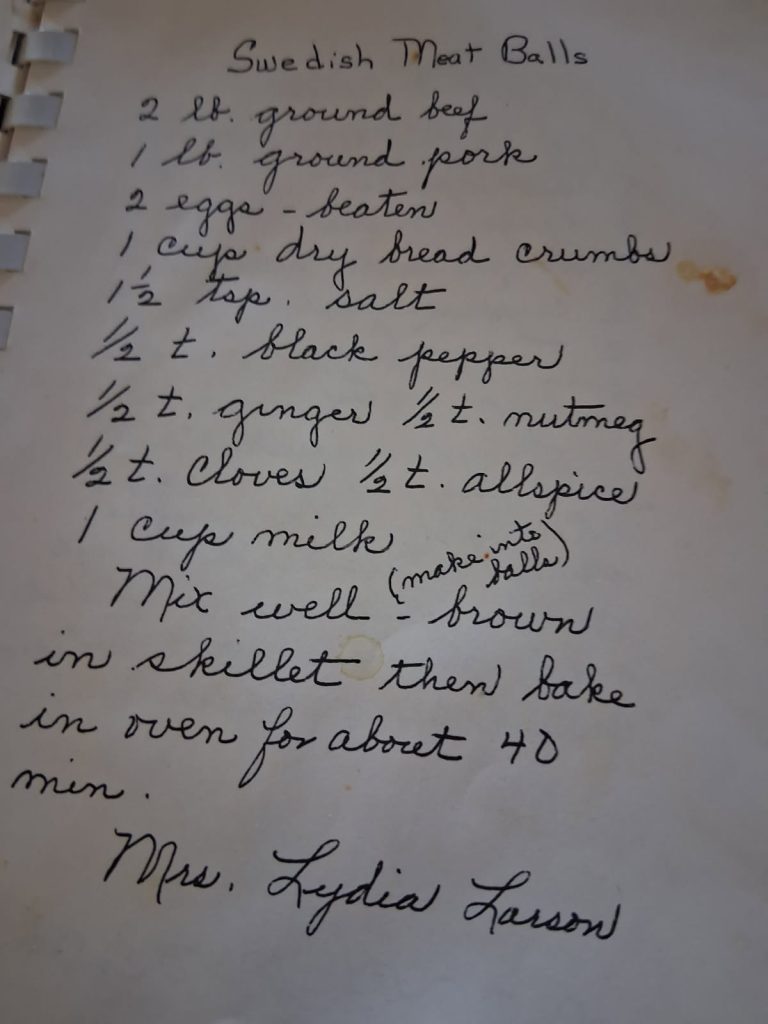
-
image000000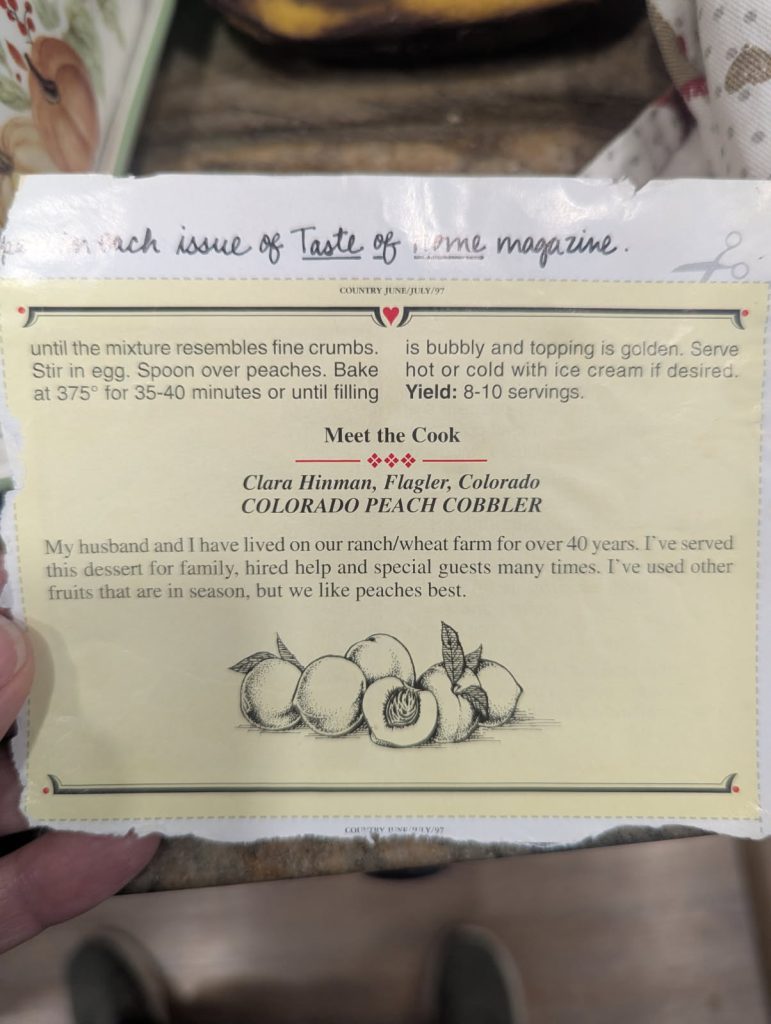
-
image000001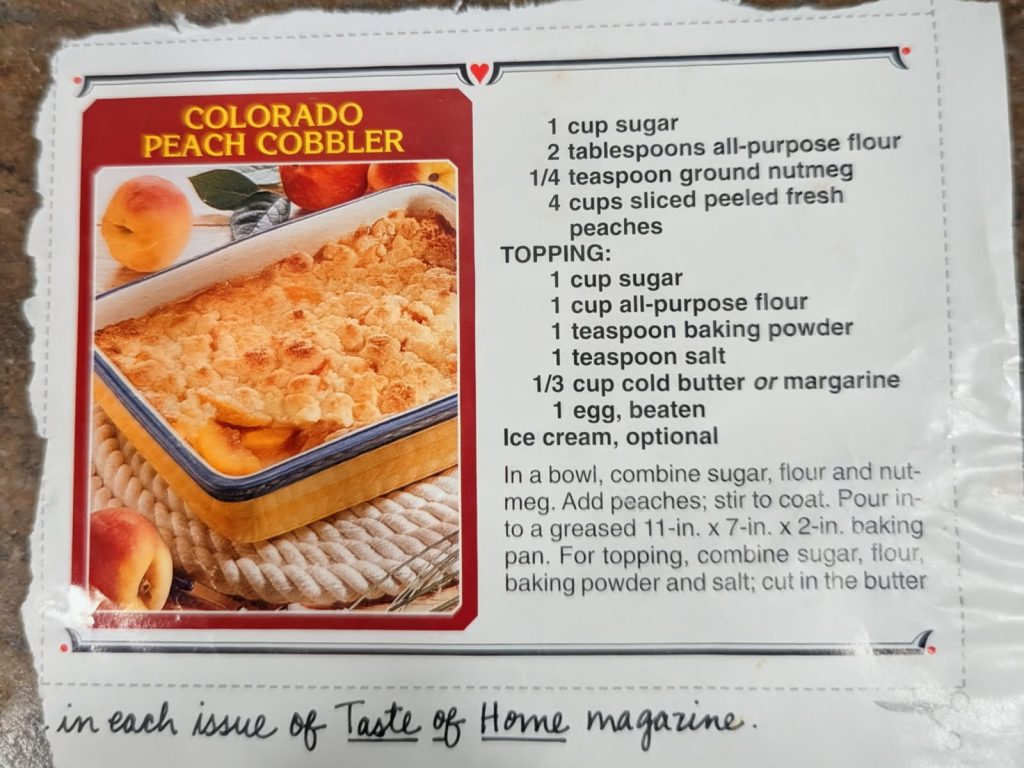
-
-
IMG_0001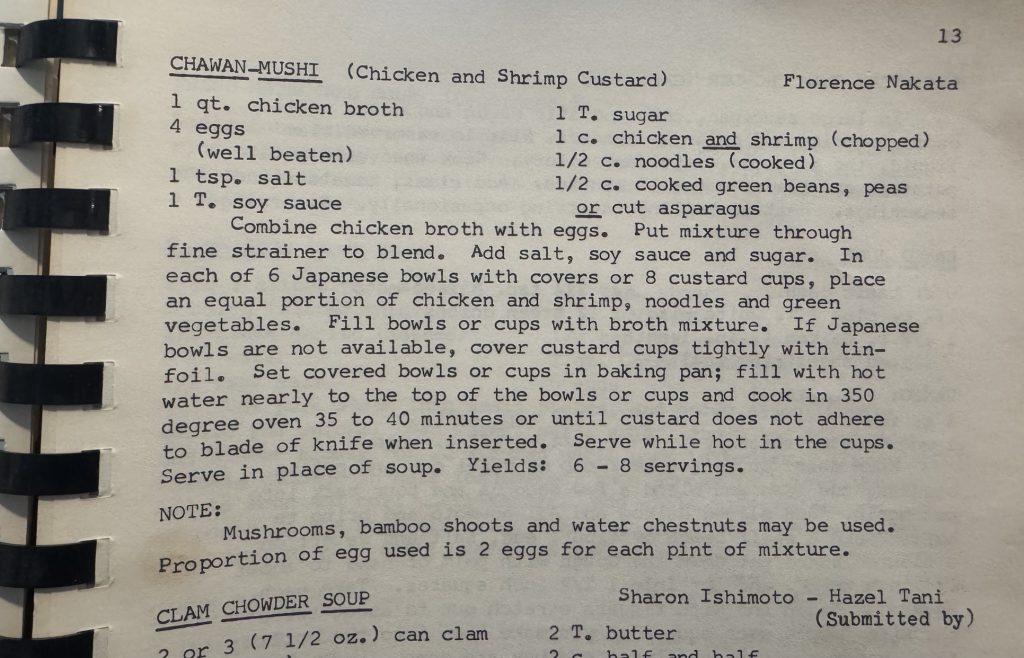
-
IMG_0002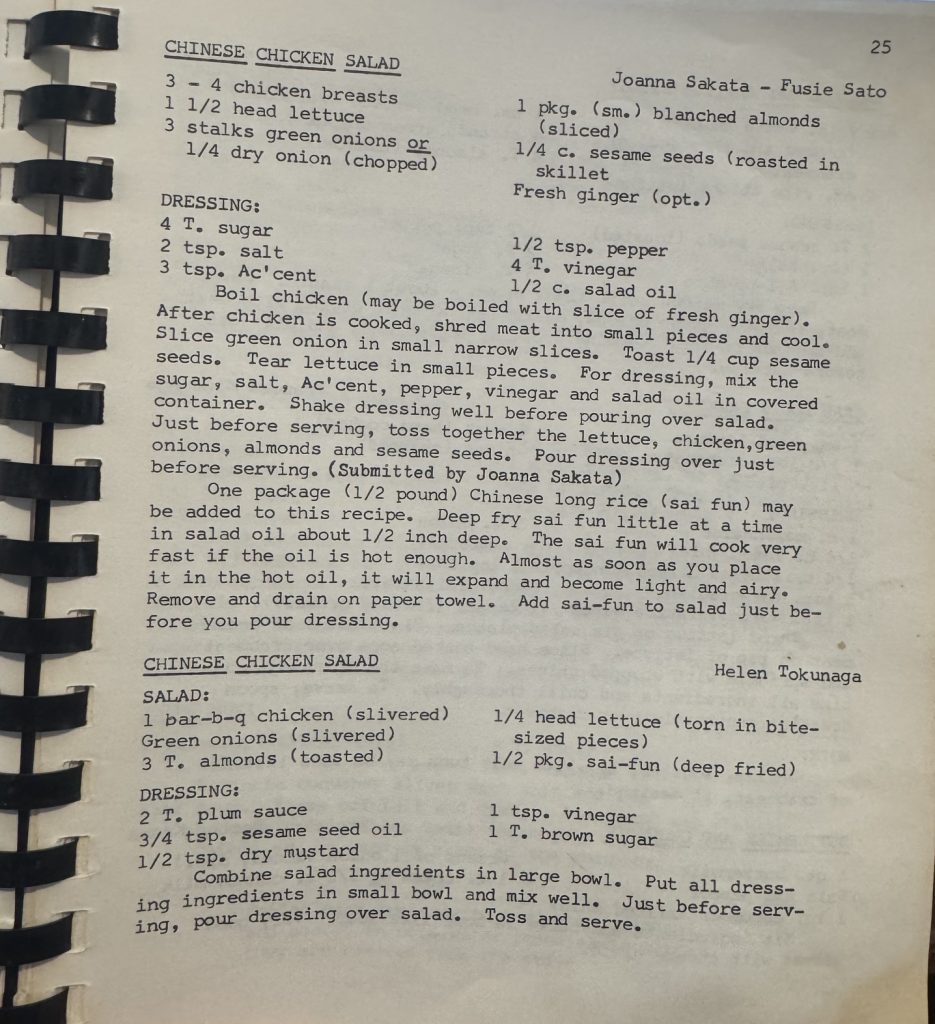
-
IMG_0003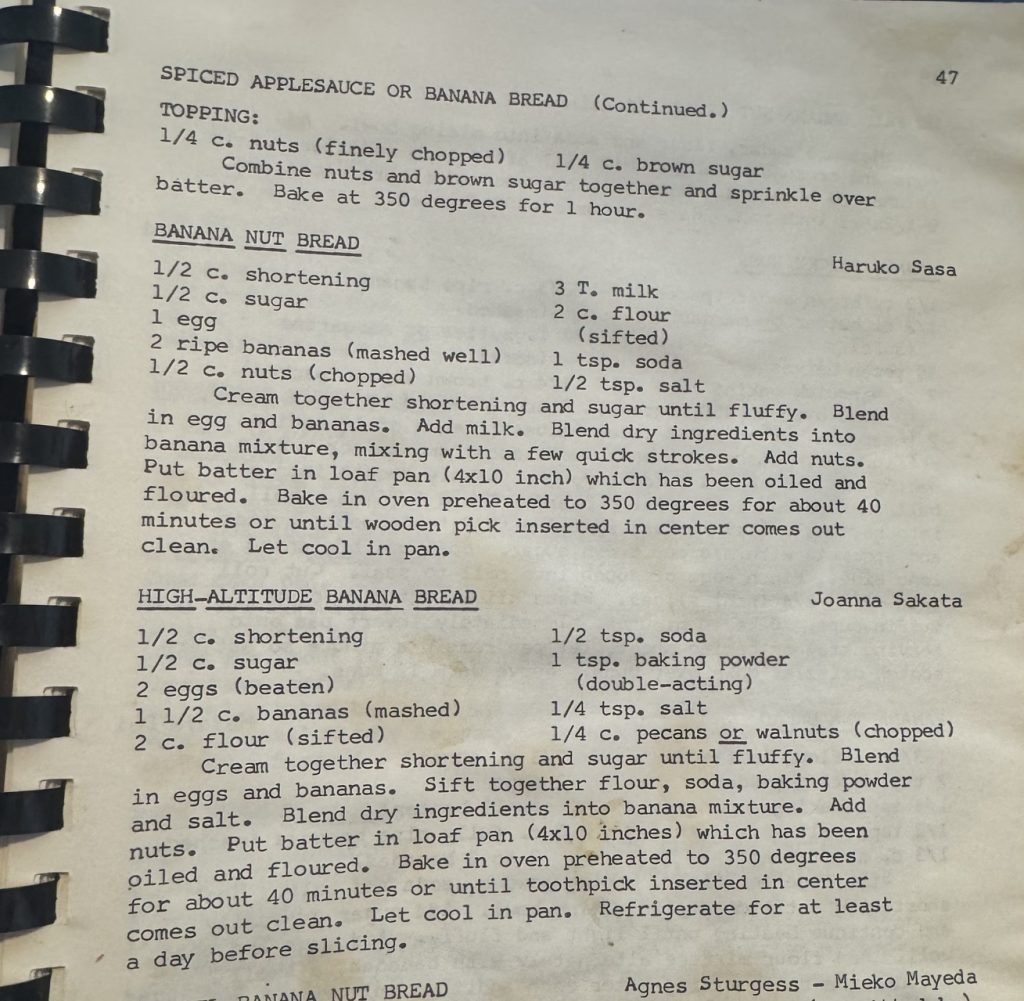
-
IMG_0004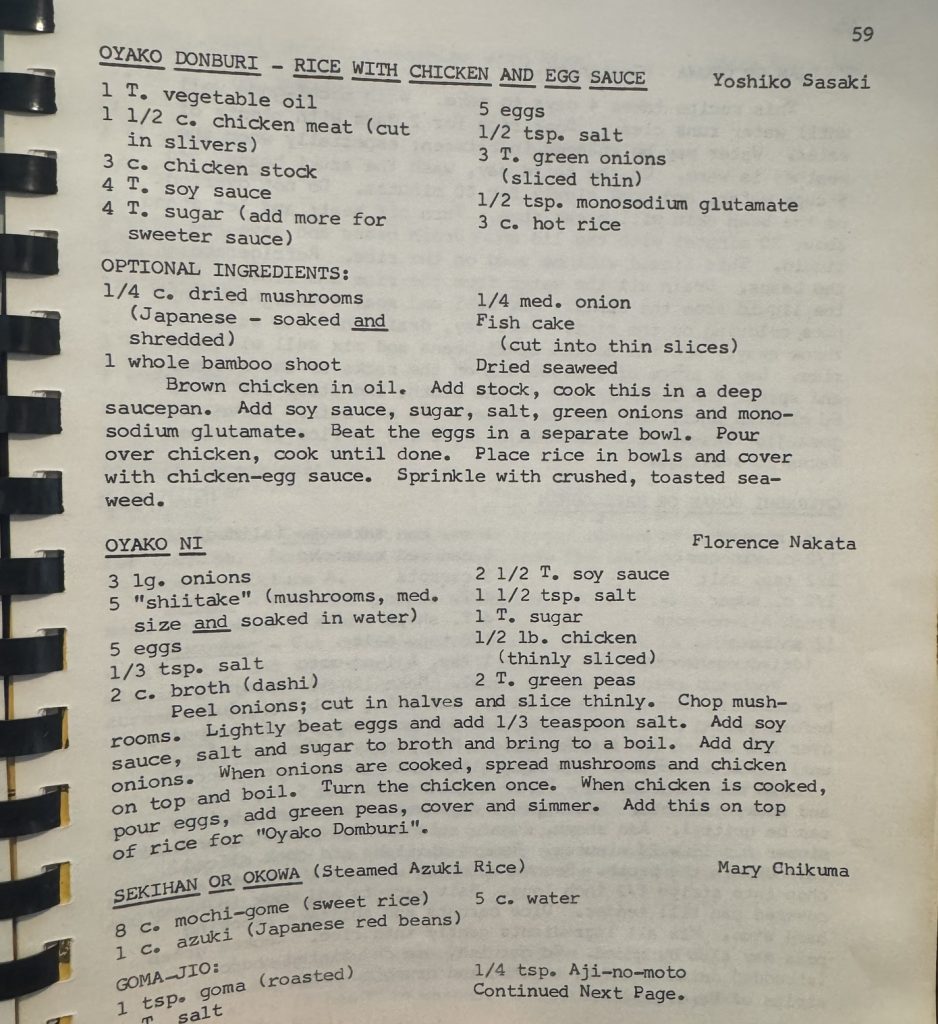
-
IMG_0005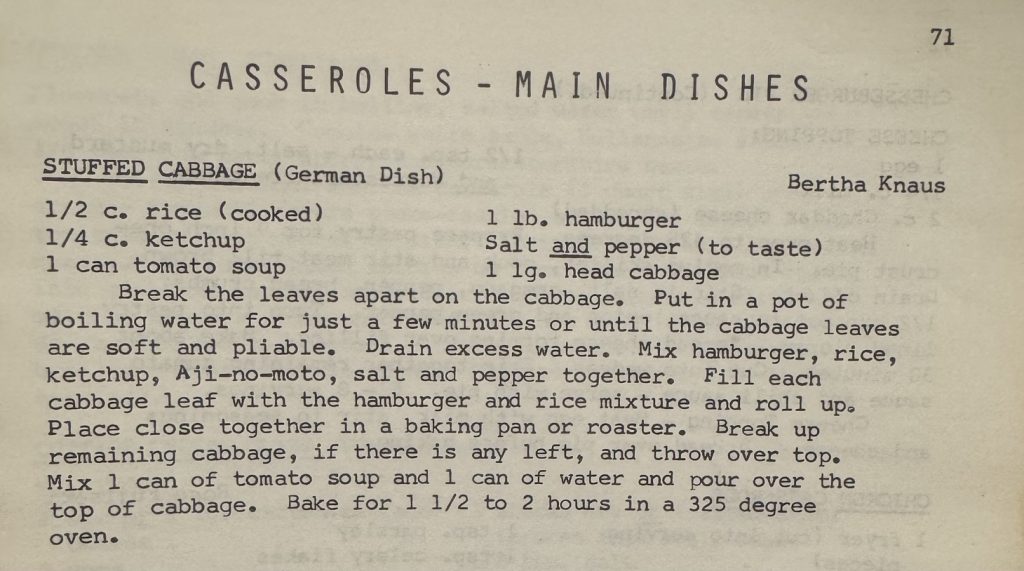
-
IMG_0006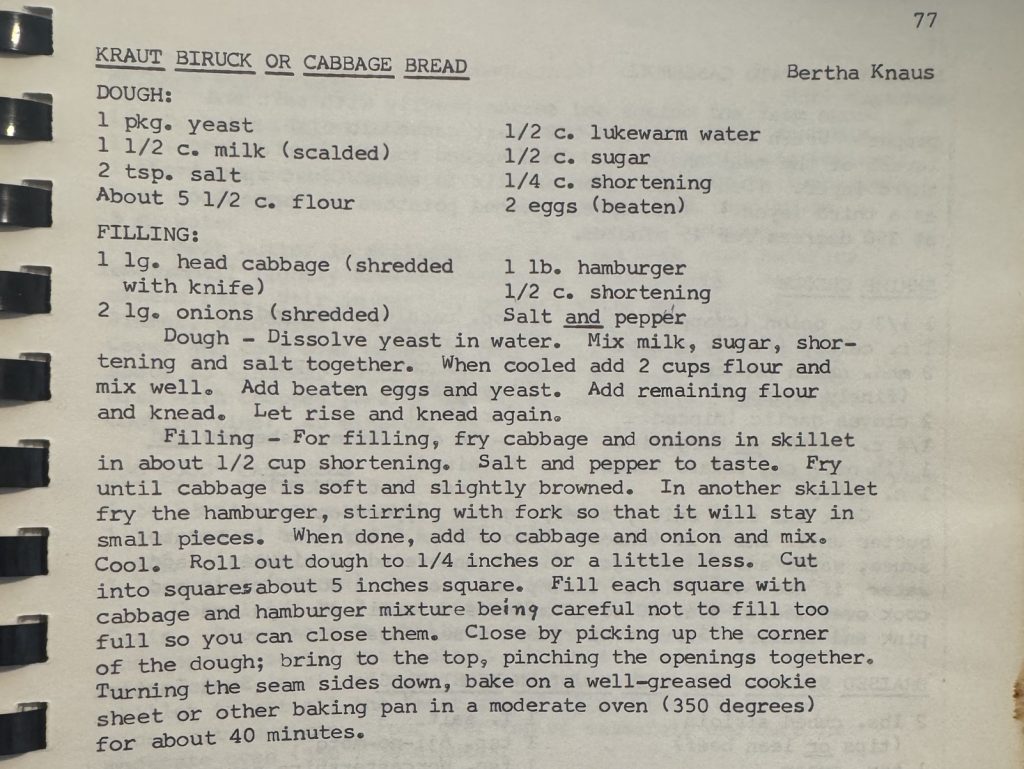
-
IMG_0007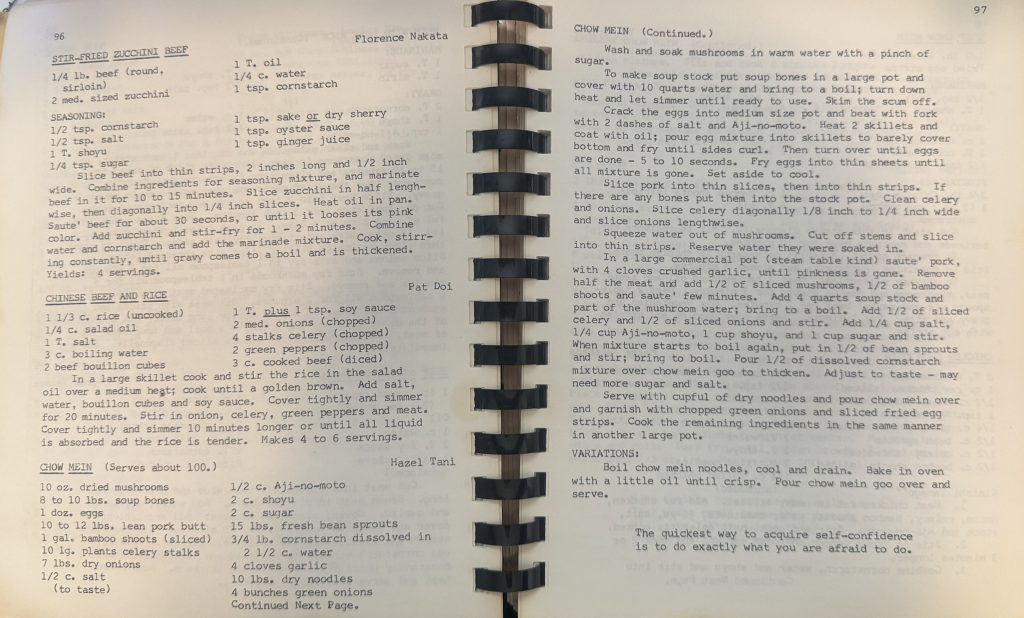
-
IMG_0008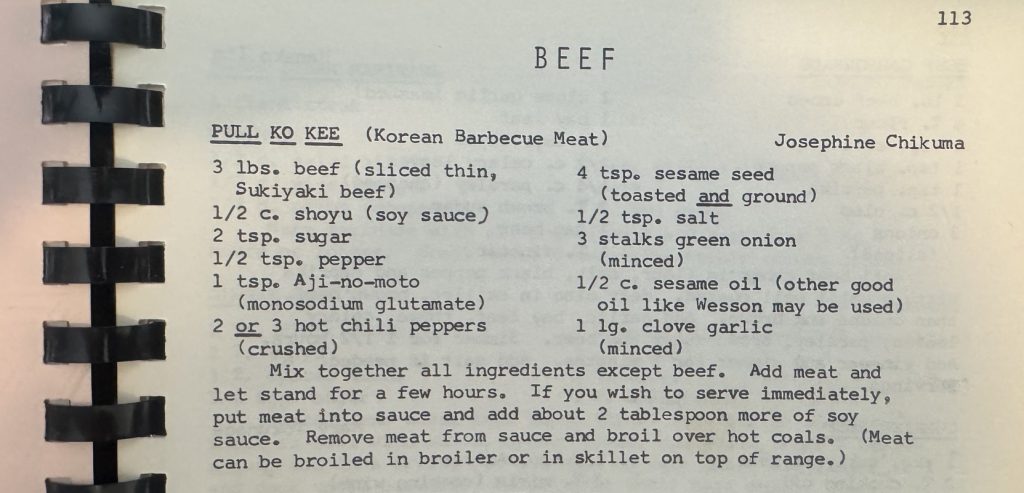
-
IMG_0009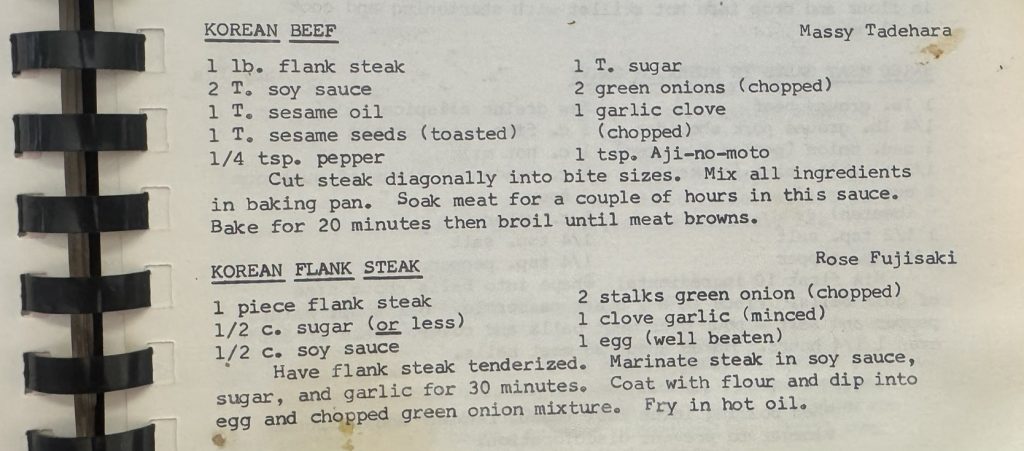
-
IMG_0010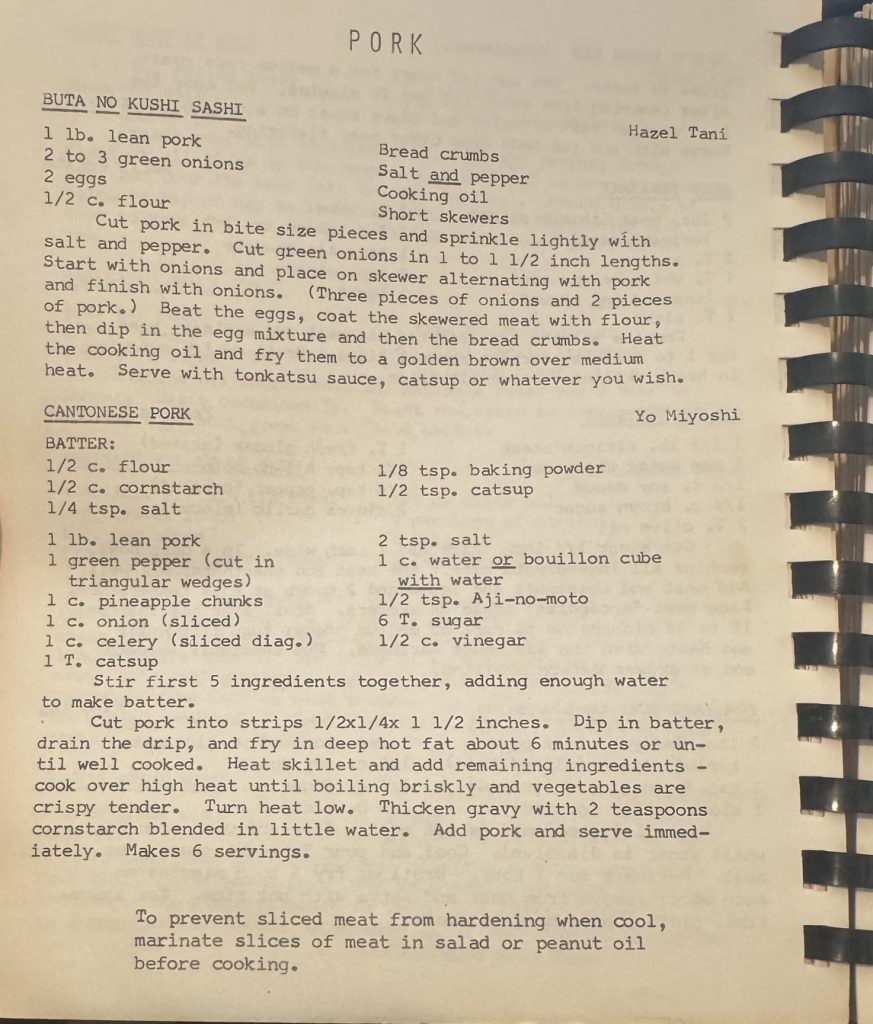
-
IMG_0011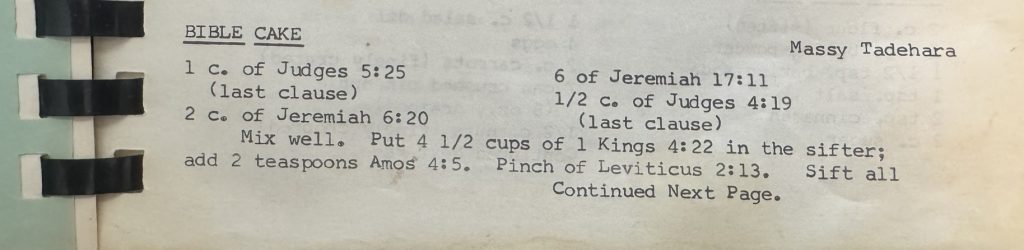
-
IMG_0012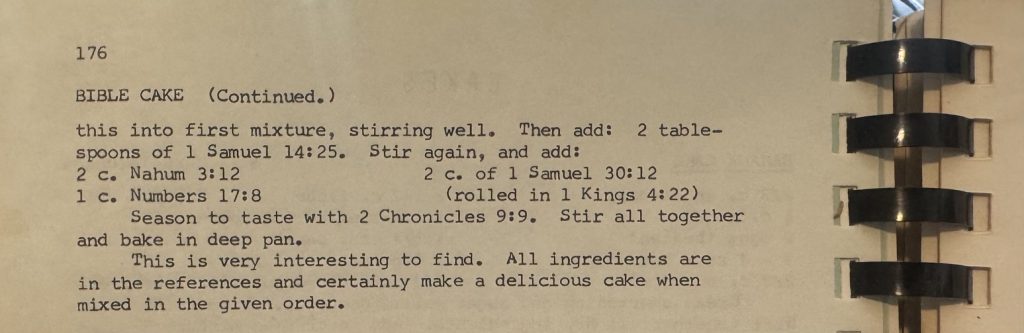
-
IMG_0013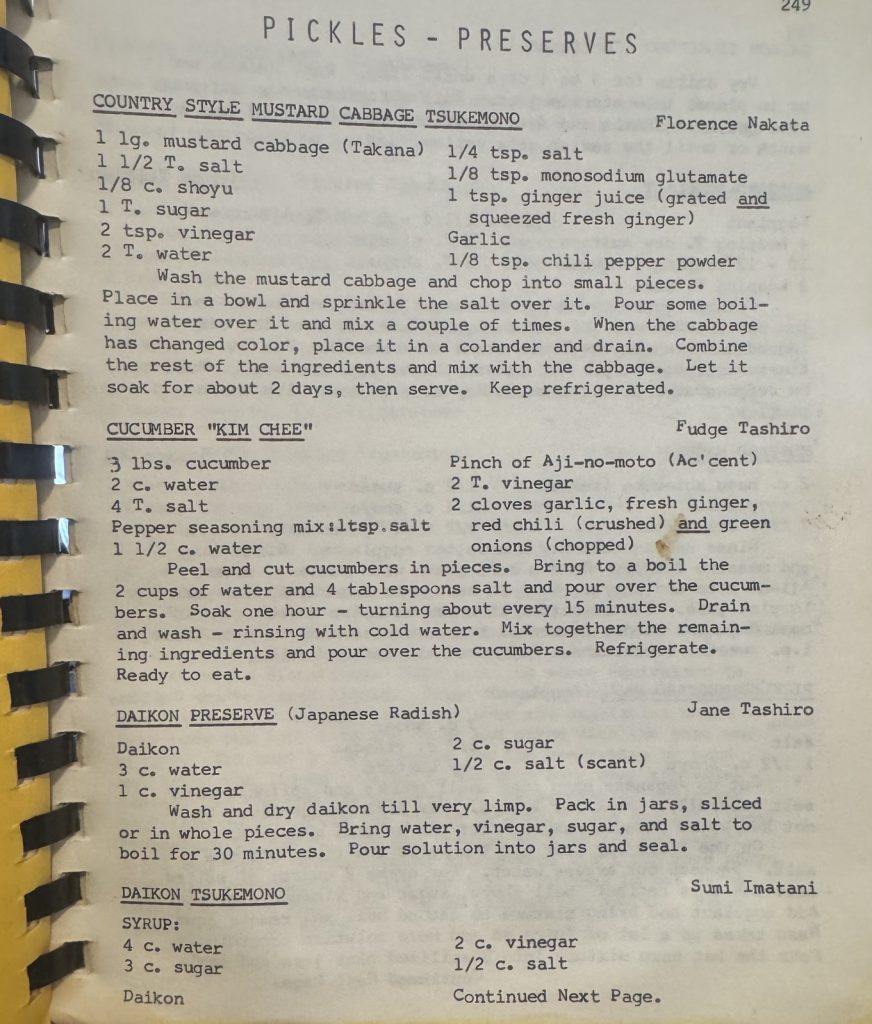
-
image000000_(7)