Gene silencing technology shows promise
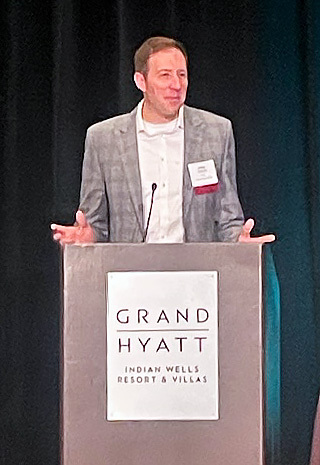
INDIAN WELLS, Calif. — Gene-silencing technology shows potential in weed management, Todd Gaines, a professor of agricultural biology at Colorado State University, told the American Sugarbeet Growers Association here last week.
Noting that farmers are concerned about weeds that herbicides no longer control, Gaines said he has been leading research on technologies to address the problems.
One problematic weed is glyphosate-tolerant kochia, the scientific name for the tumbleweeds that most Americans know from western movies, and another is Palmer amaranth, he said.
Less weed control means more resistance, he said, and there is now glyphosate resistance now in 59 countries.
Less weed control also means lower yields and more use of herbicides, which is expensive, he said.
Gaines noted that more research is needed. While the major crop protection companies have been consolidating, he said there are a lot of startups, including one in which he is involved.
Thanking Gaines for his presentation, Rebecca Larson, chief scientist for Western Sugar Cooperative, which has operations in Montana, Wyoming, Colorado and Nebraska, noted “sugarbeet growers are hiring armies to walk through the fields and pull weeds.”