Greeley JBS strike ripples through cattle country
Processing disruptions highlight tight capacity and supply chain pressures
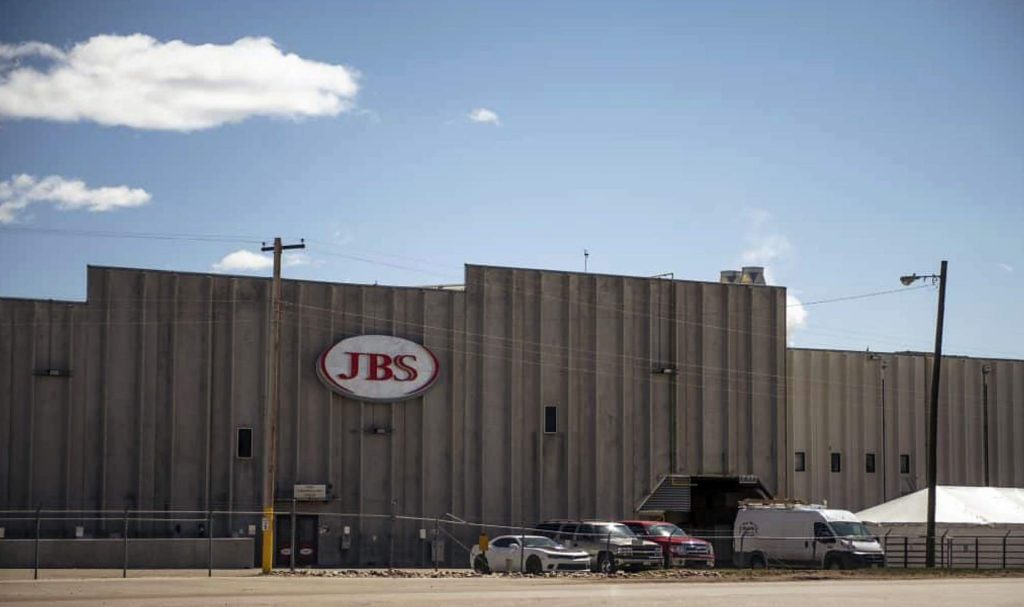
GREELEY, Colo. — A strike at one of the nation’s largest beef processing facilities is sending ripple effects through cattle country, underscoring just how tightly wound the U.S. beef supply chain has become.
Roughly 3,800 workers at the JBS beef plant in Greeley, Colo., walked off the job beginning March 16, following stalled contract negotiations between the company and United Food and Commercial Workers Local 7. The strike marks one of the most significant labor actions in the U.S. meatpacking sector in decades and arrives at a time when cattle supplies are already historically tight.
For cattle producers and feeders across Colorado and the High Plains, the disruption is more than a headline — it’s a logistical and economic challenge unfolding in real time.
TIGHT TIMELINES, TIGHTER MARGINS
“Any disruption in the cattle marketplace is ultimately felt by cattle producers and feedlots,” said Erin Karney Spaur, executive vice president of the Colorado Cattlemen’s Association. “Producers operate within a very tight marketing window for finished cattle, and when processing capacity is uncertain, it can create real challenges in the supply chain.”
Finished cattle are typically marketed on precise schedules, with limited flexibility once they reach optimal weight. When a major packing plant slows or halts operations, those schedules can quickly unravel.
“In the short term, we are seeing some cattle redirected to other packing plants, including facilities in neighboring states, as producers and feeders work to maintain marketing schedules,” Spaur said. “Situations like this highlight just how critical reliable processing capacity is to the entire cattle industry, from ranchers and feedlots to rural communities and consumers.”
That redirection comes at a cost. Longer transportation times, limited availability at other plants and shifting delivery windows can all add pressure to already-thin margins.
The Greeley JBS facility represents a significant share of regional processing capacity, making any disruption especially impactful. While the U.S. beef industry has long operated with a concentrated packing sector, recent years have exposed just how little slack exists in the system.
From pandemic-era shutdowns to weather events and now labor disputes, each disruption has reinforced the same reality: when one major plant goes offline, the effects cascade quickly.
For producers, the concern isn’t just about today’s cattle — it’s about maintaining flow. Backups at the feedlot level can lead to heavier cattle, increased feed costs and potential price discounts. At the same time, competition for shackle space at alternative plants intensifies, leaving some producers scrambling for options.
LABOR DISPUTE
According to a press release from United Food and Commercial Workers Local 7, the strike stems from what the union describes as ongoing unfair labor practices and disagreements over wages, benefits and working conditions.
Union leadership indicated that workers overwhelmingly supported the strike after negotiations failed to produce a new contract agreement. Among the issues cited are concerns over compensation, workplace safety and the cost burden of required equipment.
The walkout brings renewed attention to the role of labor in maintaining the nation’s food supply chain — an issue that gained visibility during COVID-19 but has remained a point of tension since.
While JBS has not publicly detailed the full scope of its contingency plans, large packers often attempt to maintain partial operations during labor disruptions, relying on management staff or non-union labor where possible.
Despite the plant’s importance to the region, local officials have remained cautious in their public response. “At this time, the City of Greeley does not have any additional information or comments regarding the ongoing JBS strike or potential economic and community impacts,” the city said in a statement.
The limited response reflects the complex position municipalities often face in labor disputes — balancing economic reliance on major employers with the realities of private negotiations. Still, the plant’s role in the local economy is undeniable. As the largest employer in Weld County, any prolonged disruption could have broader implications for workers, businesses and tax revenue.
MARKET SIGNALS, CONSUMER IMPACT
The strike also comes at a time when beef prices are already elevated, driven in part by reduced cattle inventories following years of drought and herd liquidation.
A disruption in processing capacity could further tighten supplies, particularly if the strike persists. While the immediate impact is most acutely felt at the producer level, downstream effects can reach consumers through higher retail prices or reduced availability.
At the same time, cattle markets may experience uneven pressure. Reduced slaughter capacity can weigh on fed cattle prices in the short term, even as boxed beef values rise due to constrained supply — a dynamic producers have witnessed playing out before.
For many in the cattle industry, the situation in Greeley reinforces a lesson learned repeatedly in recent years: resilience in the beef supply chain depends heavily on consistent processing capacity.
Events like the JBS strike bring renewed attention to discussions around regional processing expansion, diversification and risk management strategies. While large-scale packing plants remain central to the industry, some producers and policymakers have explored investing in smaller or more distributed facilities to build redundancy.
Whether those efforts gain traction remains to be seen. In the meantime, producers are focused on navigating the immediate challenges.
As negotiations continue, the timeline for resolution remains uncertain. For workers, the outcome will shape wages and working conditions. For packers, it will influence operations and costs. And for cattle producers, it may determine how smoothly cattle can move to market in the weeks ahead.
Until then, the industry is left to adjust — again — to disruption in a system with little room for error.