Tuxedo cuts back sweet corn production, wants system to value workers

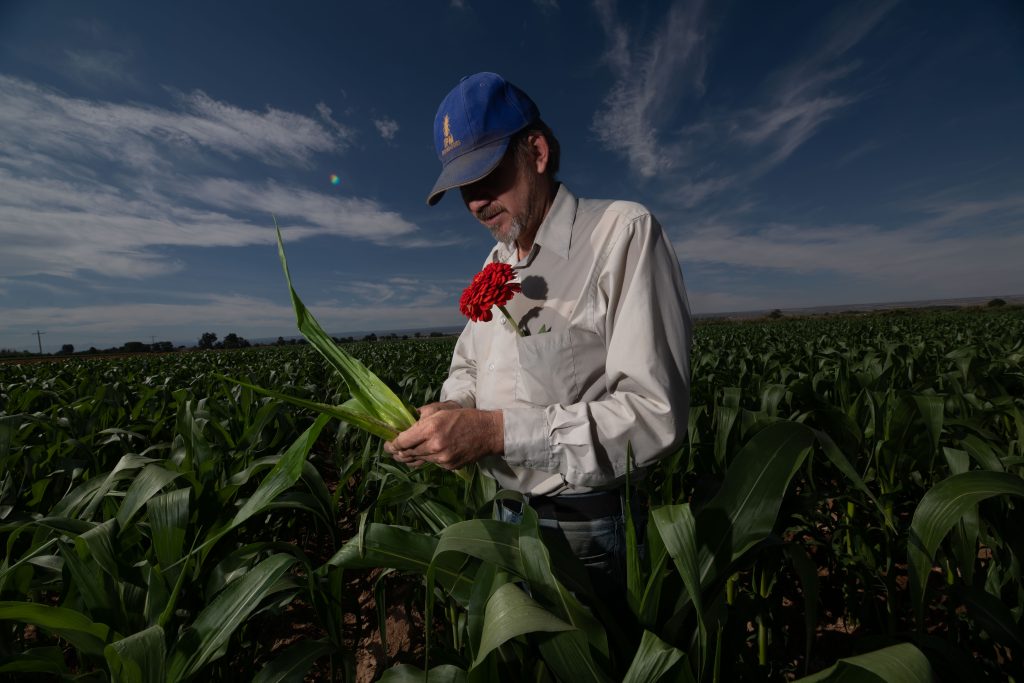
David Harold grows sweet corn at Tuxedo Farms in Olathe, Colo., and he said the farm his dad, John, owns and he manages will no longer fulfill contracts with Kroger to supply sweet corn to regional grocery stores. This year, the farm will be significantly cutting back production. In previous years, they’ve grown nearly 2,000 acres of sweet corn, this year may be just a couple hundred acres. While there are many factors that went into the decision, including a dismal moisture outlook, at the end of the day, he said it is a systemic failure that he no longer wants to be a part of.
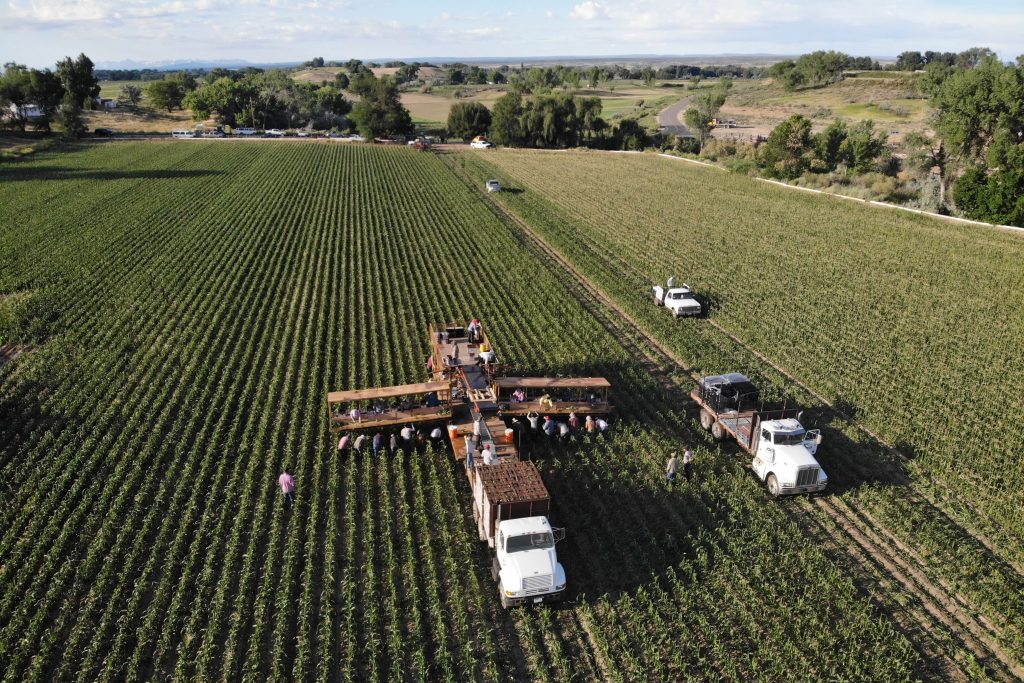
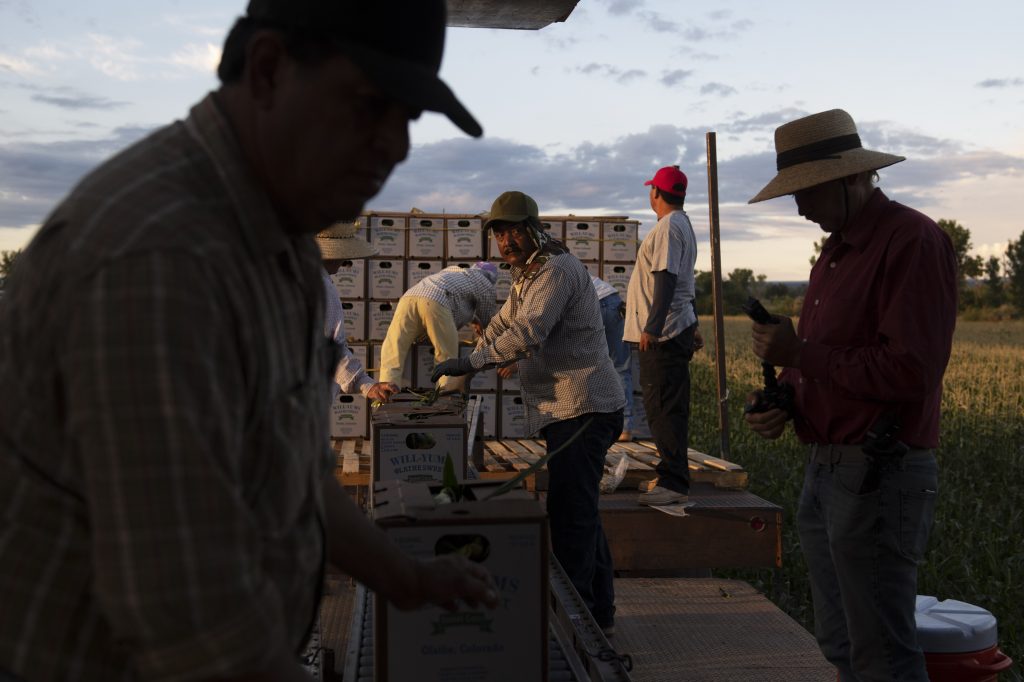
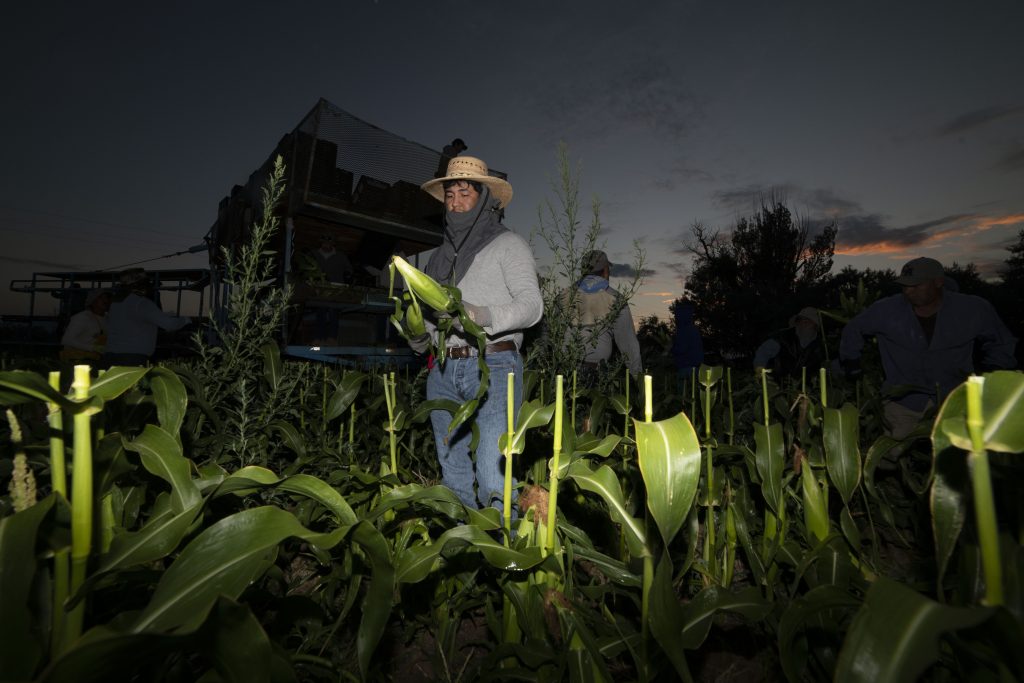
Tuxedo Farms, owned by David’s 86-year-old father John, who made Olathe Sweet a household name, utilizes H-2A workers as well as local labor to weed, harvest, pack and ship sweet corn. Traditionally, the busiest time for Tuxedo is mid-July to mid-October. The farm depends upon workers throughout the growing season and those needs tighten during harvest when the race is on to get sweet corn to consumers quickly.
Harold said the reduction of the overtime threshold for ag workers from 48 to 60 does little to mitigate his risk. He said the tracking of hours for so many employees was less a burden than the actual cash cost of affording the labor. That said, Harold said he’s weird.
“I’m really, really weird,” he said. “No. 1, I think we should pay overtime and that right there is weird. We should pay overtime. My workers deserve overtime.”
Harold said he considers himself an ag worker as well.
“I am an ag worker,” he said. “I grow food for people, and I can hardly make sense out of the risk and the difficulties that we face, and we deserve it. Not just me but my workers. There is no reason we shouldn’t be getting the prices so we can afford to pay overtime wages to our workers.”
Harold said farmers will agree with that sentiment so long as the solution is not their farm going out of business.
“And that’s where it gets difficult,” he said. “If I can’t afford to pay overtime, how do I do that and that’s where we are. It’s not that we don’t want to, it’s that we literally, economically can not afford to pay overtime with the current system in place.”
There are exceptions, he said, because agriculture in Colorado is so diverse. The common thread, he said, is the need to work within the constraints of the system.
“I ultimately sell my products into a marketplace that doesn’t value paying ag workers overtime,” he said. “If the state of Colorado (pays overtime) and Ohio doesn’t, then vegetables will come from Ohio. The bottom line is more important to the market than the workers.”
TOO MANY RISKS
While the lack of water certainly is a factor in the decision to cut back production this year, Harold said the risk is the primary factor.
“One factor is risk, plain and simple,” he said. “The risk of not having water, risk of a hailstorm, risk of a pest, risk of not having truck drivers or freight being really high, there’s all sorts of risk factors. The overtime rule is a risk I can plan for.”
He said he can calculate how many man hours he’ll need to grow a certain number of acres and harvest those acres and that equates to a budget number of what the investment he anticipates he’ll invest in the crop.
“If something goes wrong then productivity goes down because it rained, for example,” he said. “If normally our productivity is 15 boxes per man hour and we’re slowed to eight boxes, when we get to that threshold of overtime, we have to look at where we are and decide if we’ll pay overtime to finish picking the crop, or we’re going to quit because we’re out of hours.”
He said in an instance like that, the crop will cost another 50% more to harvest because of a rain event that slows harvest and that just adds to the risk. The risk continues to rise, he said, but the reward, which is based on the national markets, stays much the same. To add another level of risk, the perishable harvest needs to move to shelves quickly.
“The consumer needs to get it in a timely manner,” he said. “It needs to be just dynamite. It needs not be mediocre, it needs to be downright good and delicious. That’s what I’m shooting for.”
So, this year, Tuxedo Farms sweet corn will not be made available to Kroger’s. It’ll be sold off the farm to consumers and to the fruit stand operators and he’s disappointed that he won’t be able to provide work to ag laborers like he has in the past.
In a statement from the company, Kroger said they share their customers’ love of Olathe Sweet Sweet Corn and welcome the opportunity to offer it in Kroger stores again, should it become available. “We remain committed to working with farmers across the region to provide local products our customers love.”
Harold said if he can improve soil health and grow healthy food, that translates in better health for the people within the community. However, having healthy food produced in a way that is respectful to workers requires a higher price point at the grocery store. That, he said, will require consumer support of growers and pushing the system to value food produced in that way. So while legislation volleys the overtime threshold hours back and forth, the real vote is the one he said consumers make with their dollar.
The overtime threshold for agricultural workers in Colorado has been raised from 48 to 56 hours in a repeal of the 2021 Farm Worker Bill of Rights. Gov. Jared Polis is expected to sign the bill as he did in 2025, repealing the portion of the original SB21-087, which prohibited an agricultural employer from interfering with an employee’s access to service providers on private property.
Rep. Matthew Martinez, D- Monte Vista, one of the overtime threshold bill sponsors said the original intent of the 2021 bill was to increase earning for agricultural workers, which hasn’t happened. He said workers’ hours are being limited and the onerous requirements are forcing farmers to transition to less labor-intensive crops.