America | America’s horse

-
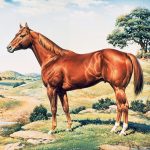
A painting commissioned by the AQHA of the “ideal” Quarter Horse: Refined throat latch, well-proportioned, trim neck, long, sloping shoulder, deep heart girth, short back, strong loin and coupling, long hip and croup.
aqha8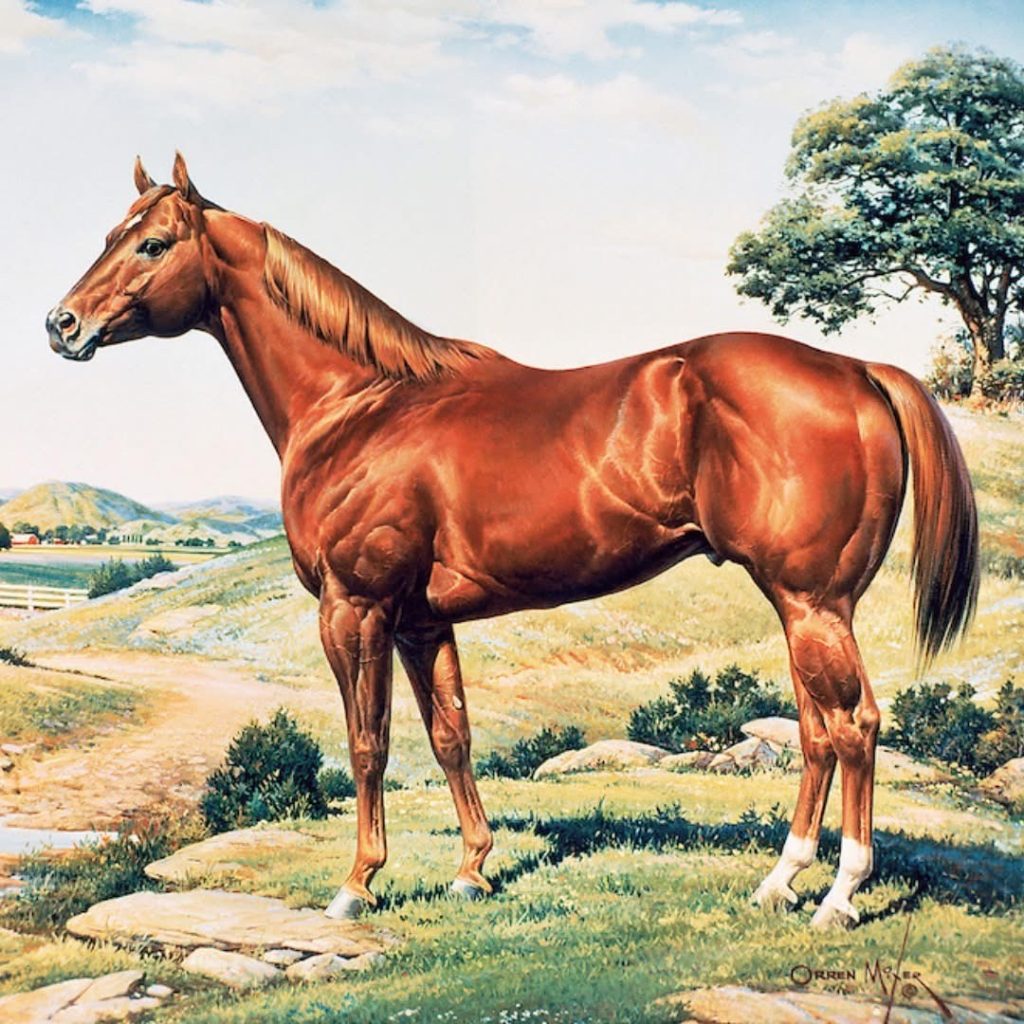
-
Doc Bar (1956-1992).
aqha9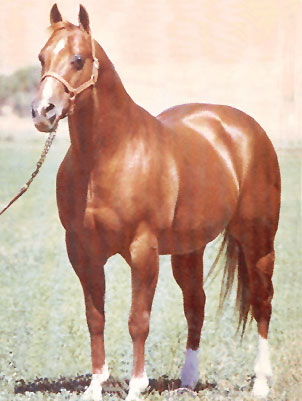
-
Three Bars (1940–1968). His descendants included influential sires like Lightning Bar, Sugar Bars, Dash for Cash, Easy Jet, and Impressive.
aqha10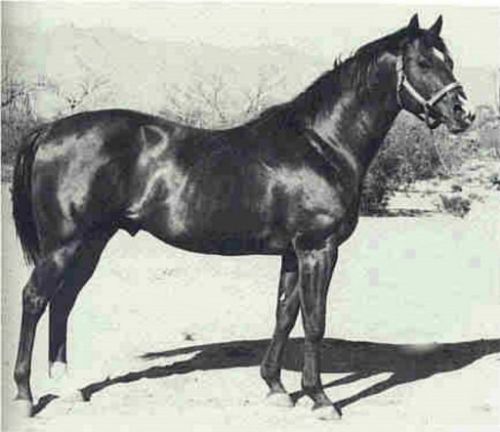
-
-
Driftwood (1932-1960), who consistently showed his prowess on the dirt track and out of the roping box.
aqha11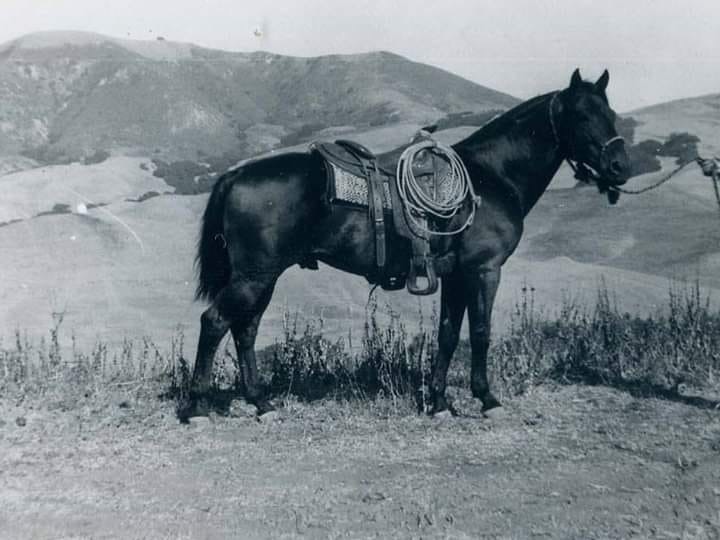
-
Elfido Lopez, great-grandfather to Jim Hunt, in the 1890s when a cowboy’s livelihood depended on a good horse.
aqha12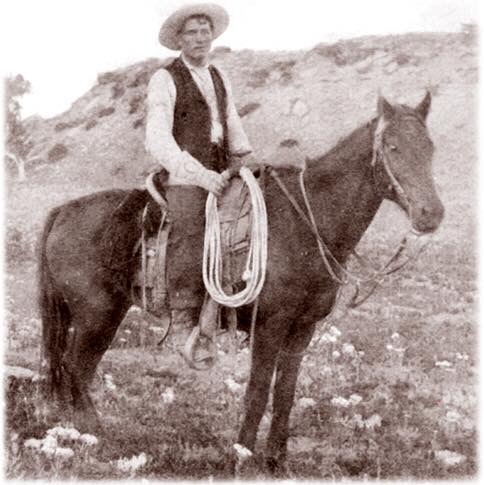
-
A 1943 horse sale hosted by Casey Tibbs (9-time PRCA world champion) and Albert Lopez (Hunt’s grandfather). Hunt believes a good horse will always sell well.
aqha1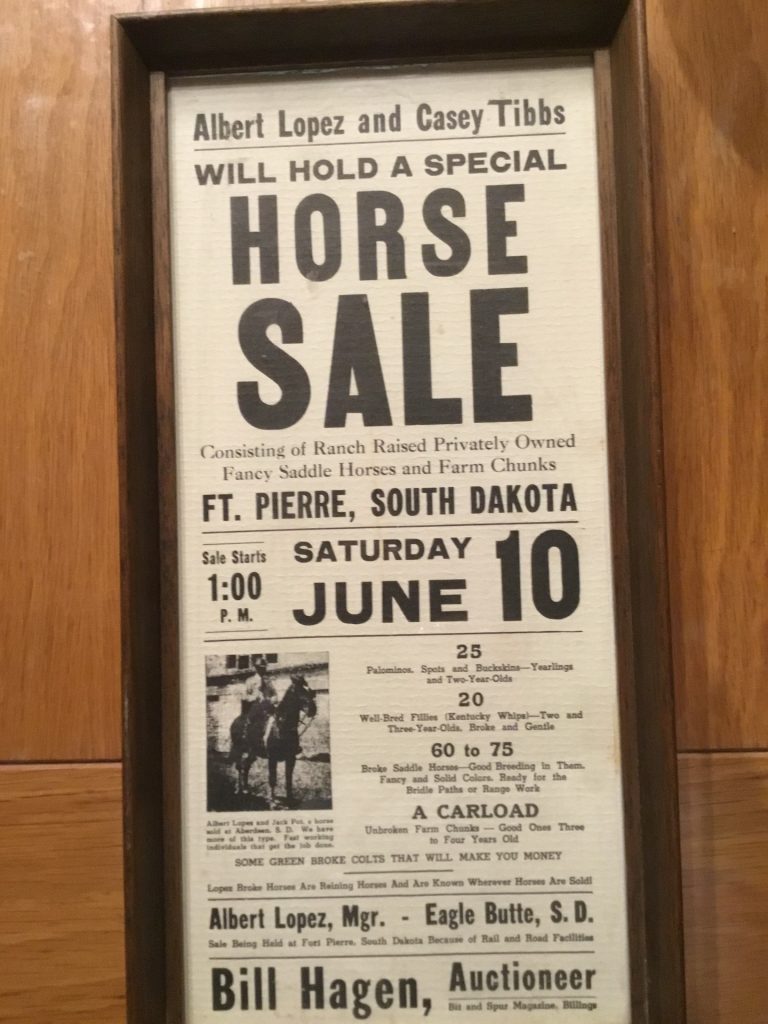
-
Remuda at a Diamond A camp. In the 19th century, cowboys were already fond of Quarter Horses and “Steeldusts,” though the AQHA would not be founded for another century.
aqha2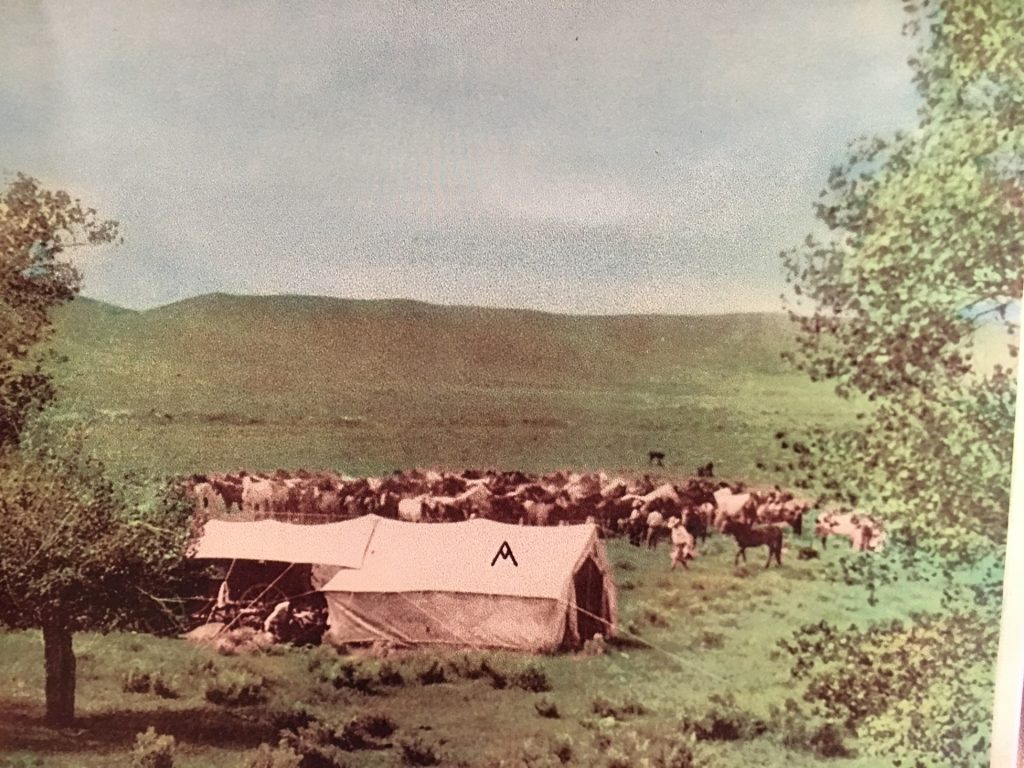
-
Cow cutting, as it was originally on the ranch. Berry Ranch, 1940.
aqha3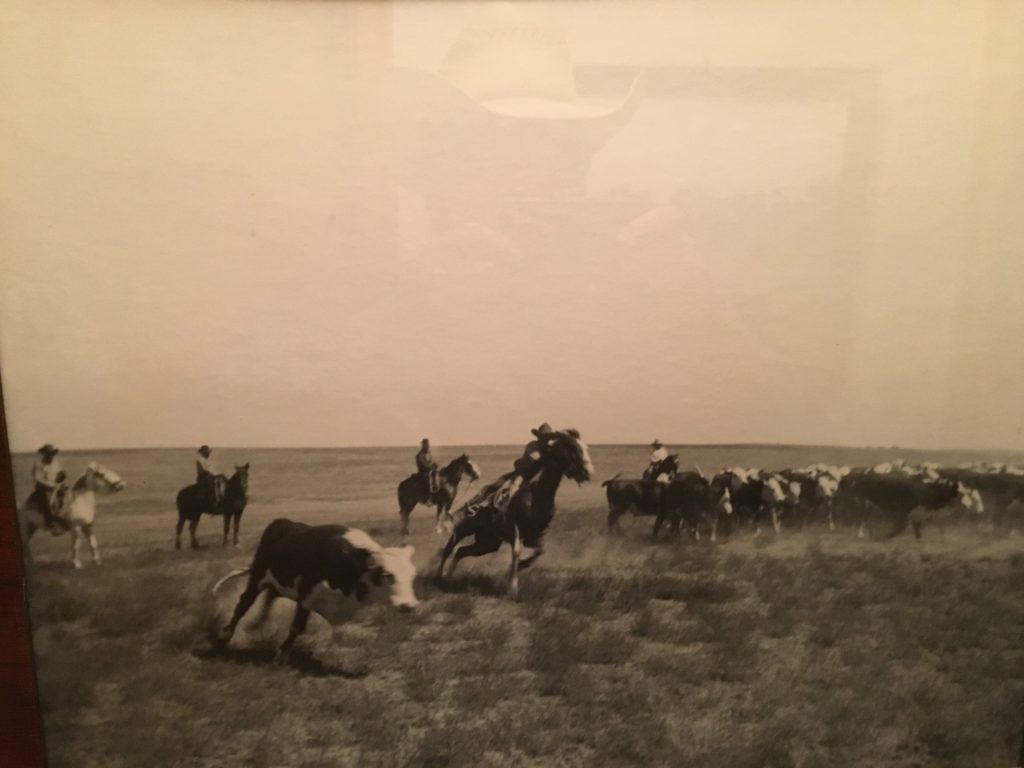
-
Poco Bueno, sired by King P-234 (1944-1969).
aqha4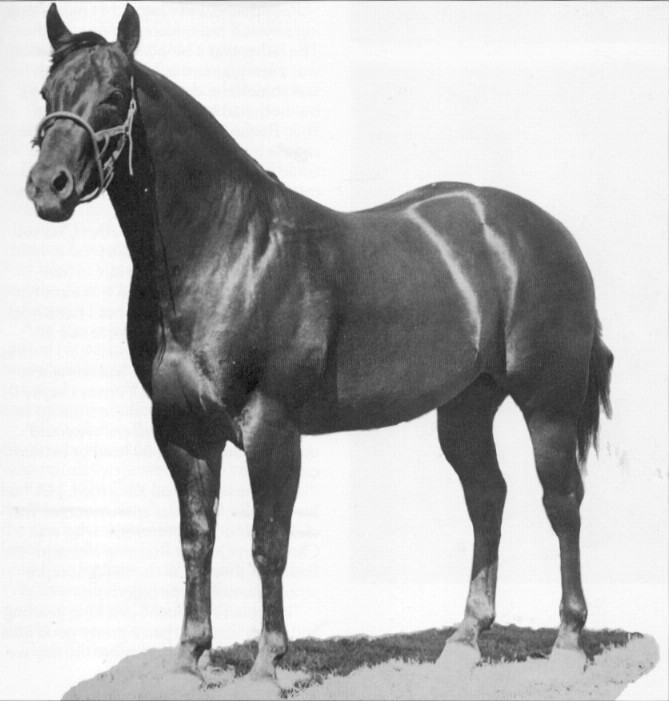
-
The Quarter Horse excels in numerous disciplines, but his cow sense sets him apart in events such as cutting.
aqha5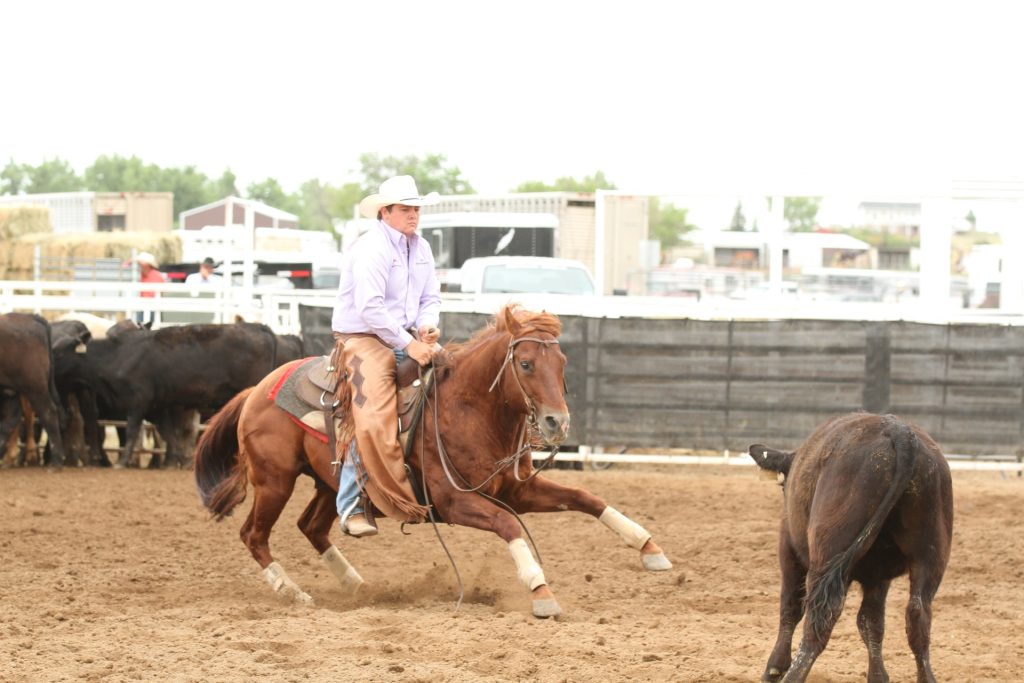
-
Sugar Bars, by Three Bars (1951-1972).
aqha6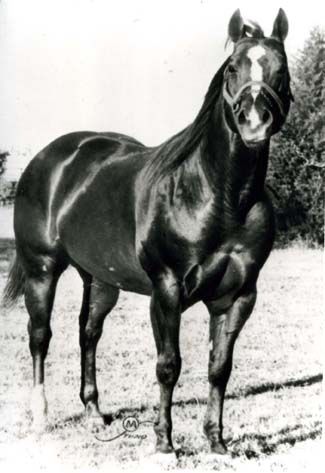
-
Joe Reed II (1936-1966), who sired Leo.
aqha7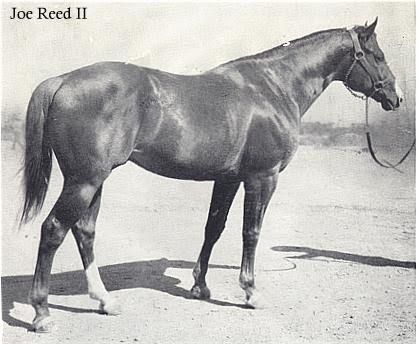
All photos courtesy of Jim Hunt.
The American Quarter Horse Association is the largest equine breed registry in the world. Founded in 1940, the AQHA has registered 6 million horses over the course of 86 years.
While there are numerous equine breeds that originated in the United States, the Quarter Horse remains the most popular horse in the world, with registered Quarter Horses in 38 countries. Their versatility, strength, speed, and cow sense make them a contender in nearly any discipline.
Unique to the breed, the American Quarter Horse has deep roots in ranching.
In fact, ranch skills were a requirement for a horse to be registered as a Quarter Horse from the inception of the registry.
At an April 22, 1940, meeting, the AQHA Executive Committee established, “All Quarter Horses must be able to run a quarter of a mile in twenty-three seconds or show that they are capable of Quarter Horse Performance under ranch conditions.”
Jim Hunt, former President of the AQHA, said, “They wanted the horse that not only was good to work with, good-minded, but also had a lot of cow sense, quickness and speed. The original Quarter Horse was all of those.”
A brief history of the Quarter Horse
When the AQHA was formed in the early 1940s, a vast majority of the standout sires were located in Texas.
However, long before Texas was settled, the earliest foundations of the Quarter Horse breed were established in Colonial America. Horse races within small villages were a favorite pastime, and settlers often used their plow horses in the quarter-mile stretch. As time went on, colonists began to trade their plow horses to the Chickasaw in exchange for faster descendants of the Spanish Barb.
There is evidence that the Spanish Barbs obtained from the Chickasaws were crossed with the Colonists’ English stock as early as 1611, according to the AQHA.
After a century and a half of intentional breeding, these horses were dubbed “American Quarter Running Horse,” named for the quarter-mile racetrack they were used to compete on.
Two notable outcrosses continued to influence the breed around the time of the Revolutionary War. In 1752, John Randolph of Virginia imported a grandson of The Godolphin Arabian, called Janus. Sir Archy, a thoroughbred born in 1805, continued to influence offspring with size and speed.
As Manifest Destiny became a reality and America grew westward, the “American Quarter Running Horse” was also influenced by the West. The final ingredient in creating what we now know as the American Quarter Horse would be the American Mustang, running wild on western deserts and plains.
Quarter Horses as superior ranch horses
The US cattle market boomed in the wake of the Civil War, and beef was in demand nationwide. Cowboys were already hand-picking their favorite horses to ranch on.
Descendants of Steel Dust, a Quarter Horse sire who was brought to Texas in 1844, were dubbed “Steeldusts” and were preferred for their hardiness, speed, and cow sense on cattle drives.
“These ranches, they needed horses not only that had cow and that had heart and that had cow sense, but they could run,” Hunt said.
During the 1800s, the Quarter Horse’s skills and breeding became more refined. Cutting cattle, roping, trailing, and racing were assets to any man’s string of horses, and the breeders continued breeding for those qualities.
Samuel Watkins of Little Grove Stock Farm in Illinois bred for prowess on the track, while Dan Casement of Kansas and Colorado preferred the “bulldog” look of the original Quarter Horse.
Ott Adams and George Clegg in Texas and Samuel “Coke” Blake prioritized breeding their Quarter Horses for speed, knowing it was necessary on the track and on the ranch.
In 1940, the AQHA was formed, and the following year, “Wimpy” received registration No. 1 after winning the grand championship at the Southwestern Exposition and Fat Stock Show in Fort Worth.
The diversity of the Quarter Horse breed was woven into the fabric of the association from the start, though it would take decades for the animosity between the “bulldog” and racetrack breeders to fully die down.
The Quarter Horse today
Now, disciplines have blossomed far beyond the original two factions.
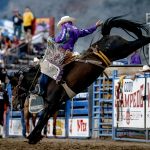
Associations have developed around the Quarter Horse’s skill in innumerable events, including reining, cow horse, rodeo, halter, racing, cutting, roping, western pleasure, and more.
While modern-day ranches are still very dependent on good horse flesh, hobbyists are now able to pursue their passions with their Quarter Horses.
“We don’t use our horses like we used to, but there’s still the prominent need for the horse in competition and those ranch horse genetics, they still rise to the top when it comes to the winner’s circle,” said Hunt.
Hunt was involved in the AQHA leading up to the 2011 introduction of the Ranching Heritage Breeder program. The program was introduced to re-orient the association back to its ranching roots. While Quarter Horses were performing exceptionally well in the arena, less emphasis was placed on the ranch horse. According to Hunt, fewer ranch horse breeders were incentivized to register their foals.
After the program’s inception, a wider variety of Quarter Horse breeders are registering foals, and the value of AQHA registration papers increased substantially.
“The registration certificate has been increasing in value again because competitors, people, breeders, they’re proud of their horses and they want to know what the genealogy is on these equine athletes, how they’re bred and who bred them,” said Hunt.
In 2020, the horse market saw an incredible boom nationwide. While it has fluctuated in the proceeding years, but overall, the price for a good horse continues to stay strong and even increase.
“For many, many, many years now it’s been very easy to sell a good horse,” said Hunt. Even in a depressed market, you can sell a good horse. Well broke, well bred, competitive. I don’t ever look for that to change.”
According to the American Horse Council, the equine market contributed $177 billion to the US economy in 2023, up from $122 billion in 2017.
Around 2.2 million jobs link directly and indirectly to the equine sector. “Not only are breeders, trainers, veterinarians, and farriers represented, but so are truck drivers, nutritionists, chemists, police officers, and journalists,” the report said.
America’s horse continues to break records, excel in ranch work, provide a living, perform extraordinary feats and serve as a friend to those who love them.
During his tenure as President of the AQHA in 2024, Hunt traveled across the globe and met with passionate members of the AQHA. They all had one thing in common.
“The common bond is they love their horse,” he said.
AQHA history was sourced from AQHA.com.