America | Looking back on 4-H: Beardsley siblings recall memories of sewing, steers and record books
Courtesy_Beardsley_family_(4)
The head, heart, hands and health of the 4-H symbol are a long-standing tradition of rural America. Recollections of halter-breaking ornery animals, stitching clothing last-minute, and the often-dreaded record books are as timeless as the organization itself. But memories of lifelong friendships, laughter and learning new skills come to mind even more meaningfully at the sight of the green four-leaf clover.
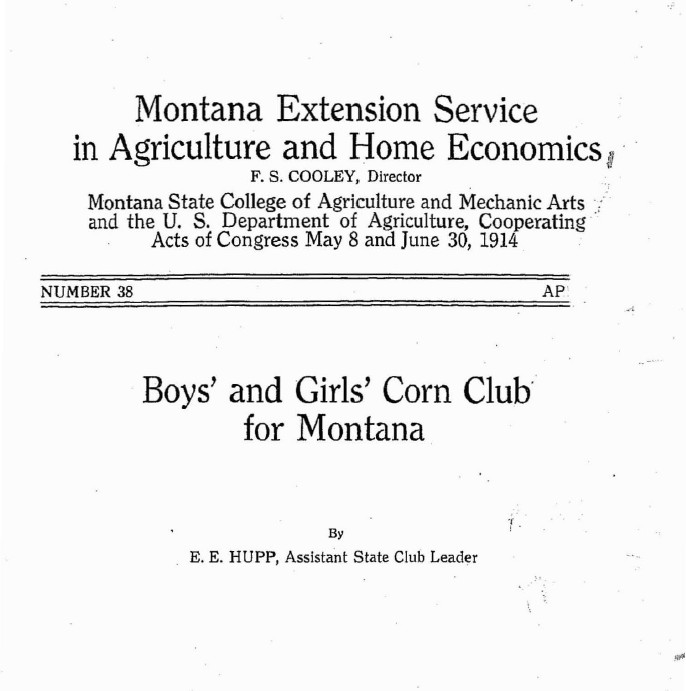
John Henry Beardsley was likely one of the earliest 4-H members in Montana. Beardsley was born in 1904 and grew up on a homestead claim near Ismay. By the time he was 14 he was running the ranch, which is still in the family today. He didn’t graduate from high school, as he had work to do, and never went to college. But Beardsley learned a lot about farming and ranching through an organization that was originally called the “Boys’ and Girls’ Corn Club for Montana.” Around 1914, the corn clubs became known as 4-H clubs in Montana.
When Beardsley was in his late teens he was recognized for his corn-growing project and won a trip to Chicago to the newly formed National 4-H Congress. This trip was sponsored by the Chicago Milwaukee railroad, and they furnished a free trip to outstanding 4-H members and the county agent from each of the counties that the railroad passed through. For rural homesteader children who had never left their own county, this was the experience of a lifetime.
Beardsley married, and he and his wife, Ella, had eight children: Joanne (Perkins), Mary Lee (Brown), Myrtle (Herzog), Pat Beardsley, Ellen “Nonie” (Zook), Kay (Hofmann), Karen “Butchie” (Krutzfeldt) and Jim Beardsley – all who were in 4-H. When Ella passed away they had 35 grandchildren, all who were also in 4-H, and today their descendants number in the hundreds, with many still in 4-H.
Three of the eight Beardsley siblings shared their memories as members and later, leaders, in the grassroots organization of rural American youth.
Joanne Perkins, 96, of Miles City, Montana, was the oldest of the eight Beardsley siblings. After growing up working side by side with the adults on the ranch and being a big sister to seven younger siblings, she married, had children and had a lifelong career as a teacher. She was one of the earliest club members in the Busy Bees 4-H club.
“When I was growing up the 4-H clubs had been running for several years and my father, John Beardsley, took up the leadership,” she said. “There were just six of us in the group: my sister Mary Lee and I and Audrey and Myla Hopkins and two of the Oster boys. The first year everybody had a 4-H calf, and we fed them out and also had regular monthly meetings. But when it came time to sell the calves, there was no place to sell them but in the sales ring. So there was not very much profit in the calves. And so all of the kids dropped out of raising calves except for Mary Lee and I. We kept on raising them and when Myrtle got of age, she joined the group too.”
She remembers her dad spending a lot of time teaching them what to look for in a good calf, “because he had a good background in it.” Perkins recalled that steers were smaller built in her day – probably 900 pounds or so at finished weight. They took their calves to the fairgrounds in Miles City, 50 miles away, then stayed at their grandmother’s house in town and walked to the fairgrounds each day to take care of their animals.
She recalled her sister Mary Lee being the sentimental one who was sad to sell her steer but was later embarrassed when the local newspaper wrote about her “shedding a tear at the sale,” as she knew that was part of the deal.
“4-H taught me leadership and dependability of taking care of the animals,” said Perkins. “It was also the social highlight of our year – we always looked forward to going to the fair.”
Jim Beardsley, 77, of Powderville, Montana, was the youngest of the eight children. He remembers taking market animals, range science and doing demonstrations. “One year I went out and cut a bunch of little wooden blocks and my demonstration was on how to stack bales in haystacks,” he said. A less enjoyable memory was raising a market calf that died five weeks before the fair. “But I redeemed myself the next year and I got fifth place in a class of over 30 steers,” Beardsley said.
He laughed when he recalled how he and his closest sibling, Butchie, decided the night before the fair that they were going to take lambs to the show. “So we went out to the Pine Hills and picked out a couple of good ones and roped them and took them to the fair. You couldn’t get away with that these days,” he said.
Kay Hofmann, 83, of Ismay, one of the younger three, has been a lifelong advocate for 4-H. Unlike her siblings, she did not take animal projects but focused on what became her lifelong passion of homemaking.
The 4-H project selection was much more limited in those days. “Pretty much it was just large animals and Home-Ec to choose from,” she said. “I did clothing and foods.” The learning was the exciting part.
“Until we were competent, mom handled everything in the kitchen. But when we got to work on our 4-H projects, it was our turn to go in the kitchen and it was an exciting thing!” With six girls in the family, when it was time to sew fair projects, they would “line up and take turns at the sewing machine.” Hofmann has special memories of taking a sewing pattern and going shopping for fabric at a local store – a big deal at the time. Most 4-H clubs had special project leaders, such as a sewing leader, who would help all the members.
“We had clothing leaders and foods leaders and another big focus area was health. “It kind of sounds like a funny thing now, but in all our projects we would have to fill out a report having to do with health, whether it was skin, hair, vaccinations … that is something I don’t think is done now.”
Hofmann fondly remembers two leaders, Ruth Brown and Nora Bradshaw, who welcomed them – and all the community children – into their homes to teach and mentor them for many years.
“We were always welcome in (Ruth’s) home. She taught us all the skills that she could. There were ladies in the neighborhood who stepped up and taught lots of kids, but there was always a lot of family participation and so much involvement across the community.”
The fair was the one big activity – and a highlight – of the year.
“When it was fair time you would load up the pickup with two 4-H steers in the back, all of the cooking and all of the sewing and the kids in the front of the pickup and head for the fair.”
One memory that stands out – almost 75 years later – is judging of a certain fair entry.
“I can vividly remember, I had sewed a houndstooth wool suit – pants and a jacket – for the fair. The judge took the pants and pulled the seam and they ripped from the crotch to the top – broke every stitch. I got a white ribbon on it. I had my sewing machine tension too tight. That one has stuck in my mind forever!” said Kay.
When asked if she enjoyed 4-H, she said she never thought about it at the time – “it was just such a natural part of our life.” Monthly club meetings included social activities and dances, which formed much of their social outings. Achievement Night was the highlight of the year. Members sat anxiously awaiting to see if they would be recognized for the highly competitive awards – and not everyone got one.
“I didn’t think about it being enjoyable, especially at the time. It was just part of our world. But now looking back on it, it was a very cool time of my life,” she said. “I can remember a 4-H dress review in front of the grandstand on the last night of the fair where we all modeled our dress revue outfits – there was probably 30 girls, and I met and made a lifelong best friend that night.”
Hofmann said she believes strongly that 4-H teaches youth lifelong lessons in organization and presentation that apply in any area of life and are passed down through generations. “4-H is very generational. If you would look at our community, many kids that are in 4-H now probably had grandparents that were in 4-H.”
The generations change, but in many ways, 4-H stays the same.
-
The Beardsley family, c. 1958. | Courtesy Beardsley family
Courtesy_Beardsley_family_(1)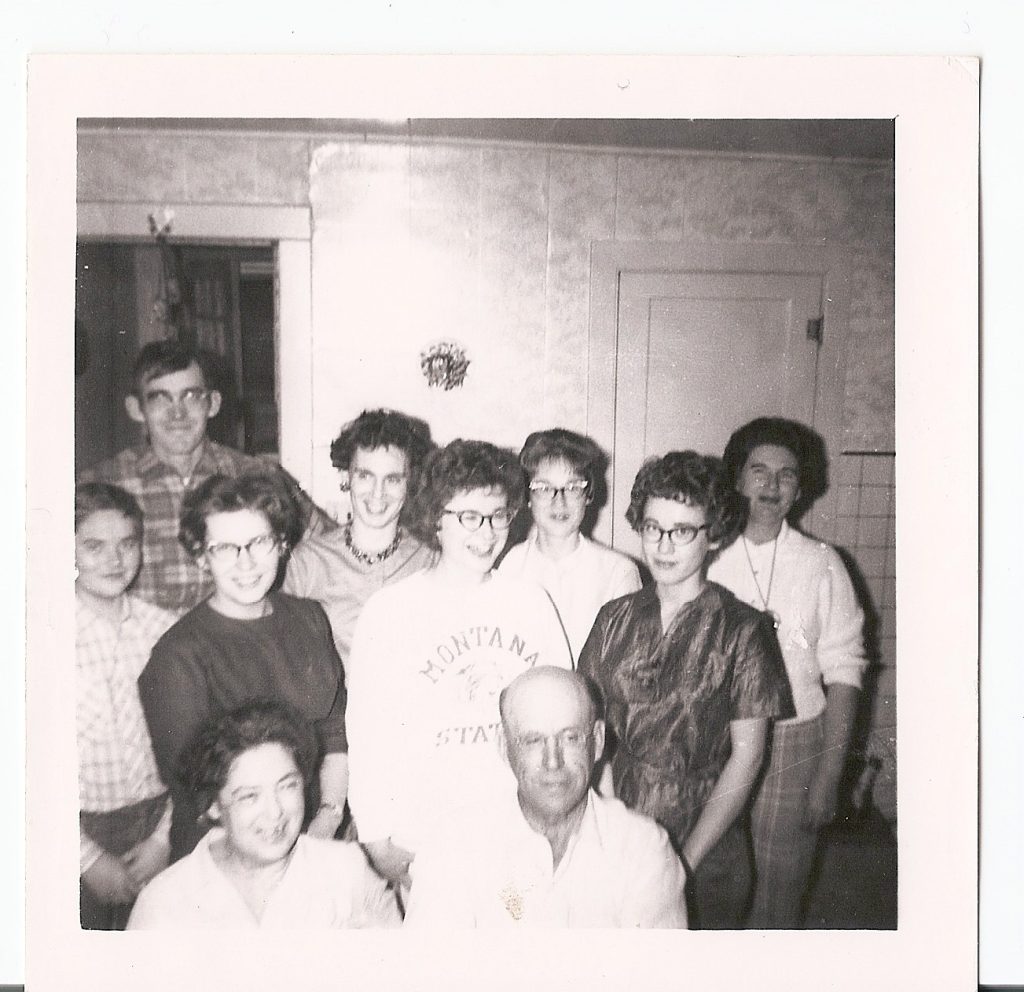
-
Myrtle Beardsley with her 4-H steer, c. 1940s. | Courtesy Beardsley family
Courtesy_Beardsley_family_(2)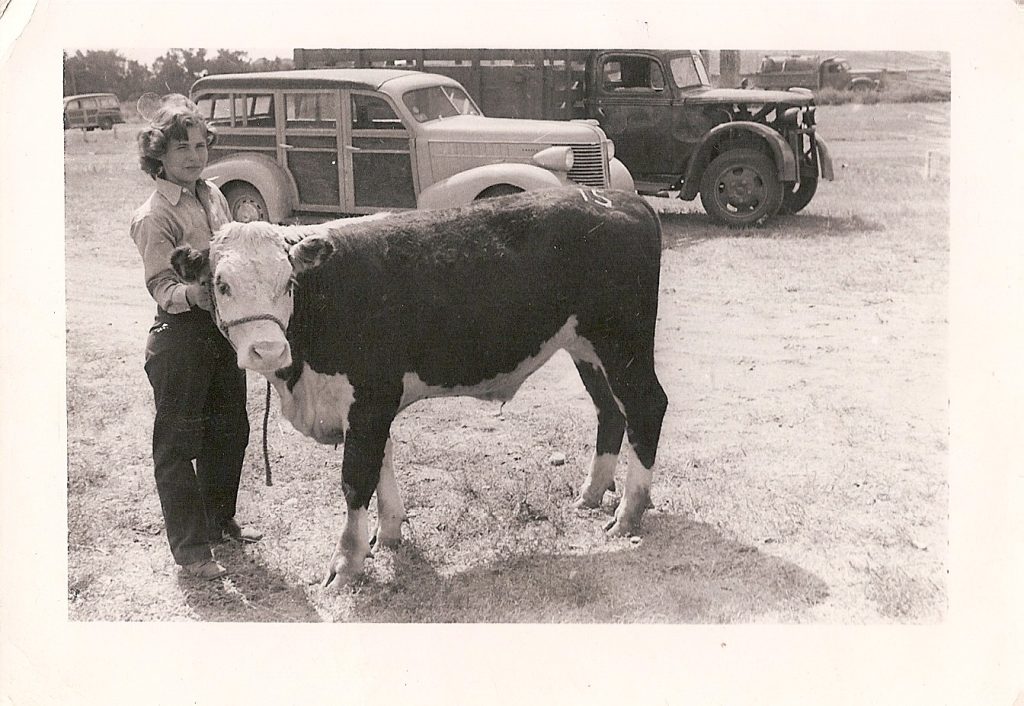
-
John Beardsley featured in the Custer County 4-H newsletter, c. 1980s. | Beardsley family
Courtesy_Beardsley_family_(3)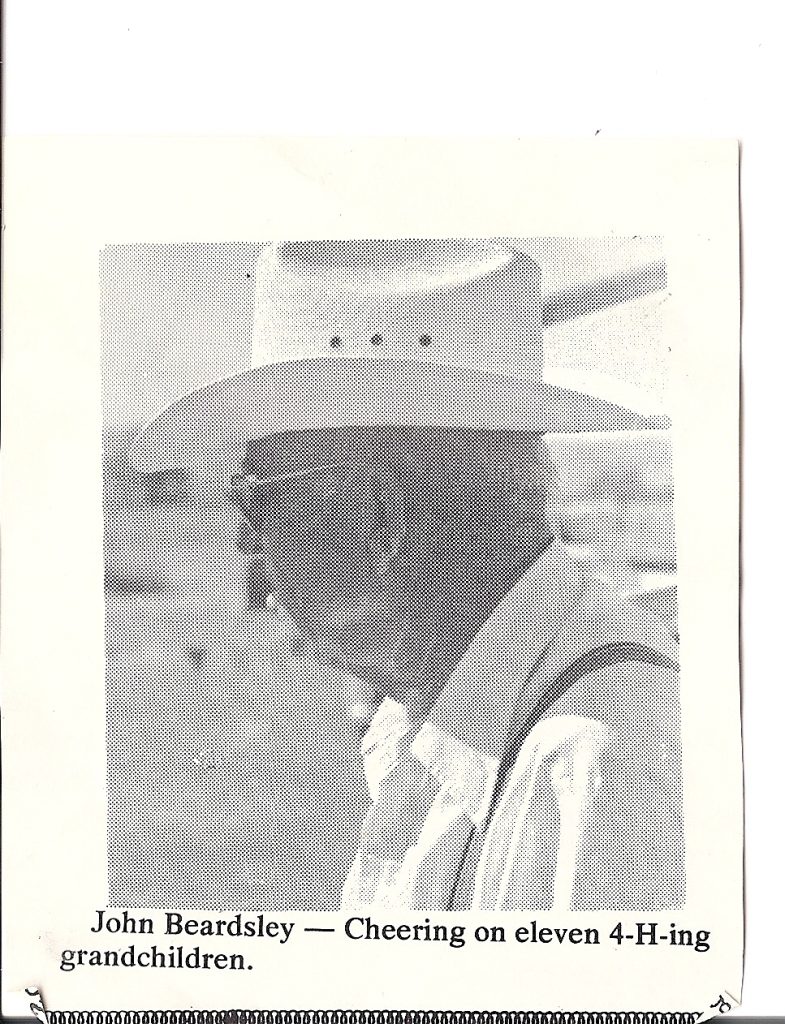
-
-
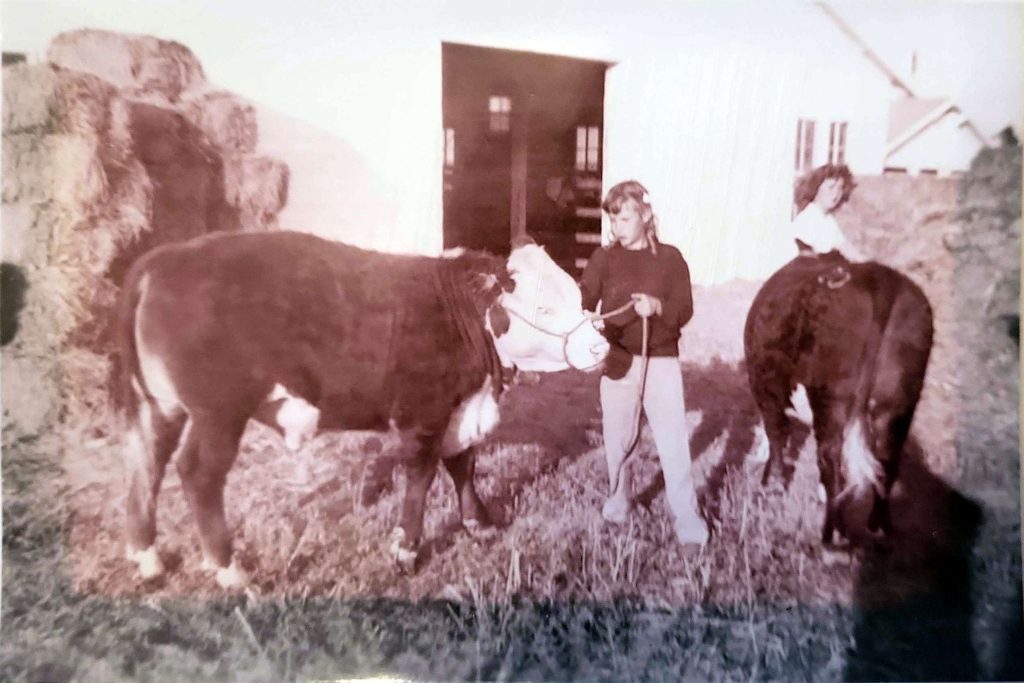
Myrtle Beardsley (l) and Joanne Beardsley with their 4-H steers, c. 1940s. | Beardsley family
Courtesy_Beardsley_family_(4)
-
Joanne Beardsley getting ready to ride off for her first day of school, with little sister Mary Lee clinging tightly to her, hoping she wouldn’t leave. | Beardsley family
Courtesy_Beardsley_family_(5)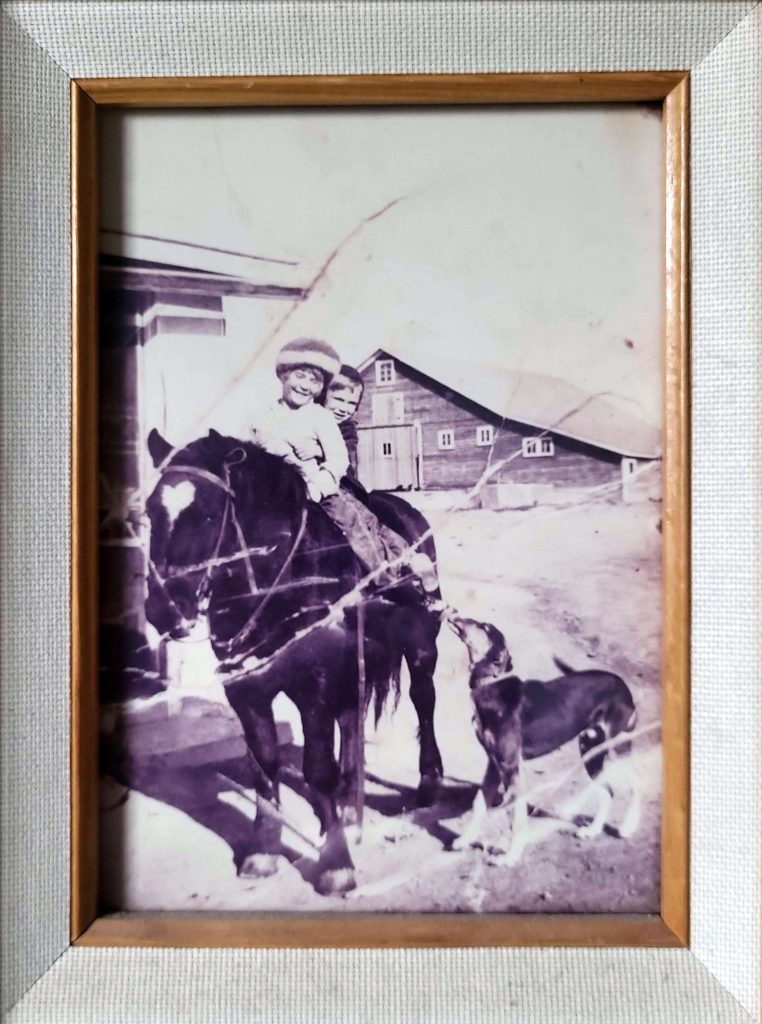
-
winning 4-H corn crop, c. 1910s. | Beardsley family
Courtesy_Beardsley_family_(6)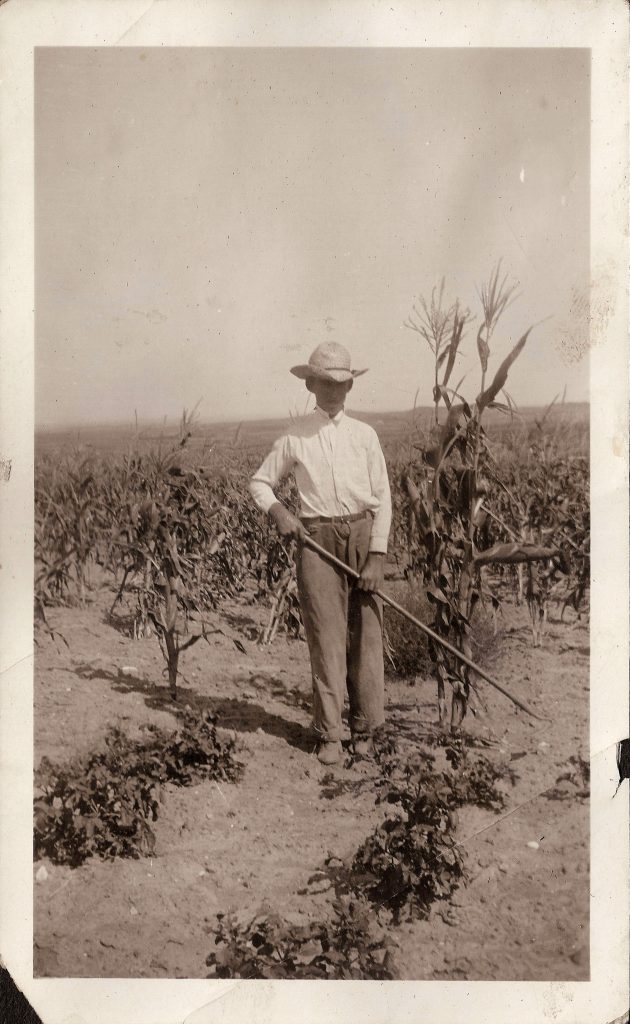
-
Courtesy_Beardsley_family_(7) -
Courtesy_Beardsley_family_(8) -
Jim Beardsley on Deuce. | Beardsley family
Courtesy_Beardsley_family_(9)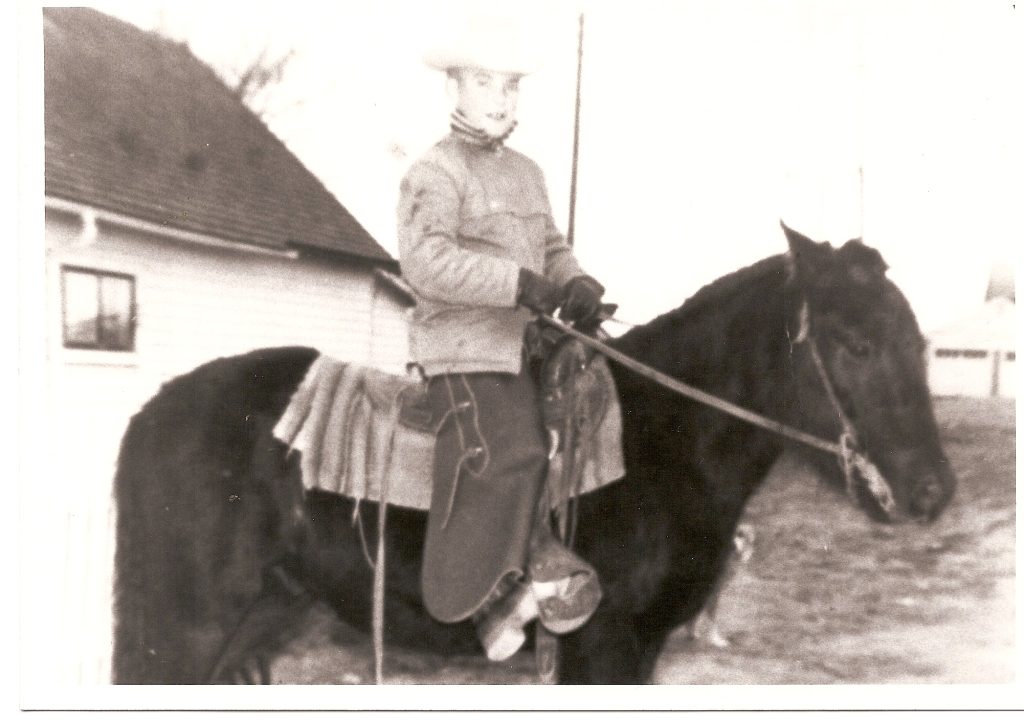
-
Pat Beardsley on Butterfly. | Beardsley family
Courtesy_Beardsley_family_(10)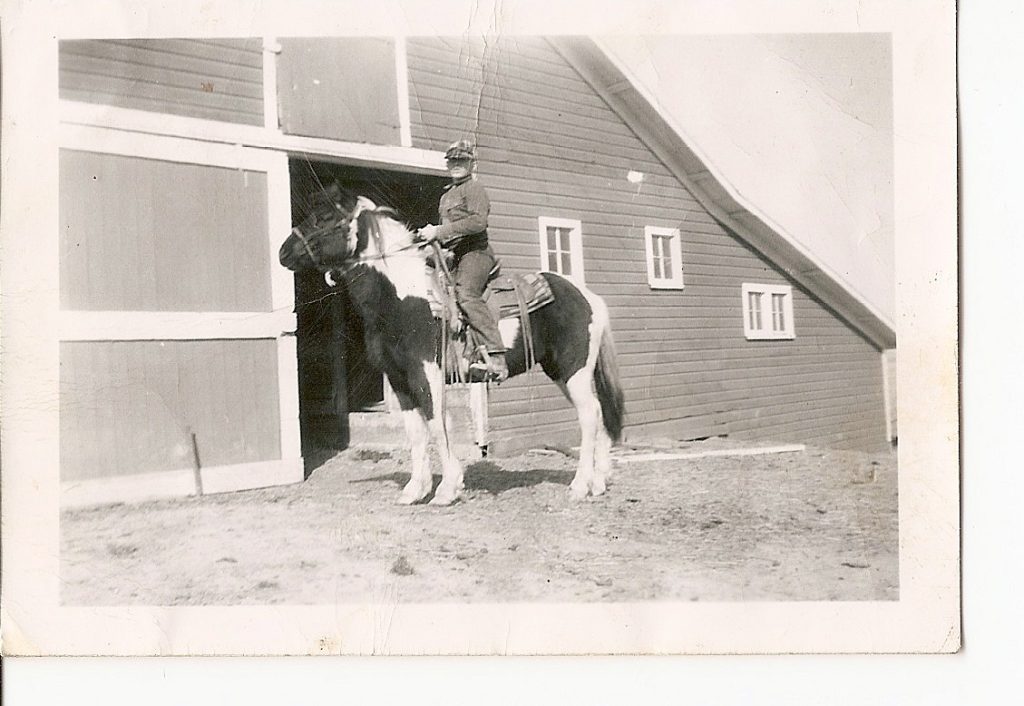
-
Karity Choat interviews her great-aunt, Joanne Perkins, to gather stories about what 4-H was like when she was a member. | Photo by Tamara Choat
Karity_and_Aunt_Joanne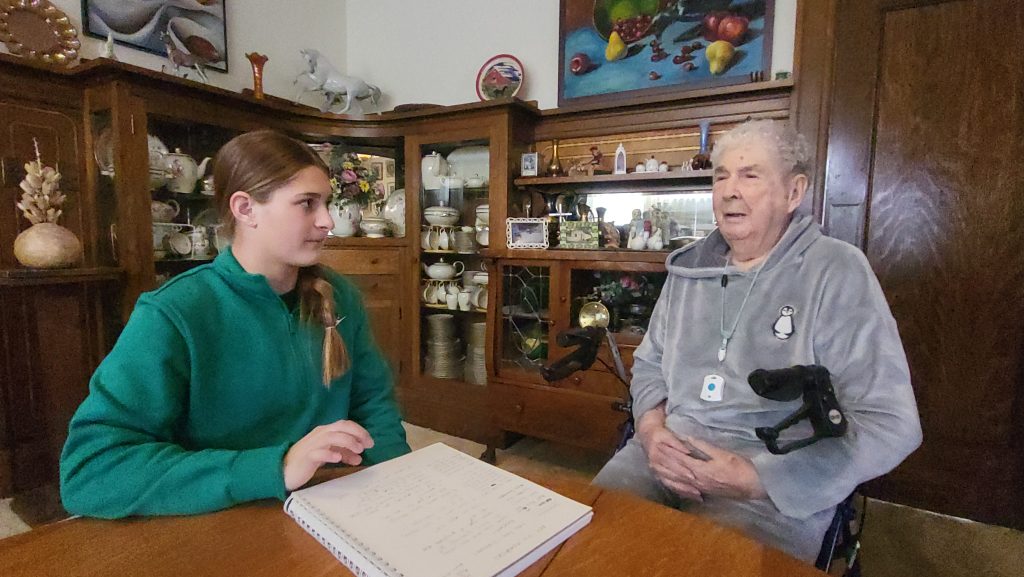
-
Montana 4-H “Corn Growing Manual,” June 1933 | Montana State University Extension Service Historical Publications, Montana State University (MSU) Library, Bozeman, MT
Montana_Extension_corn_club_brochure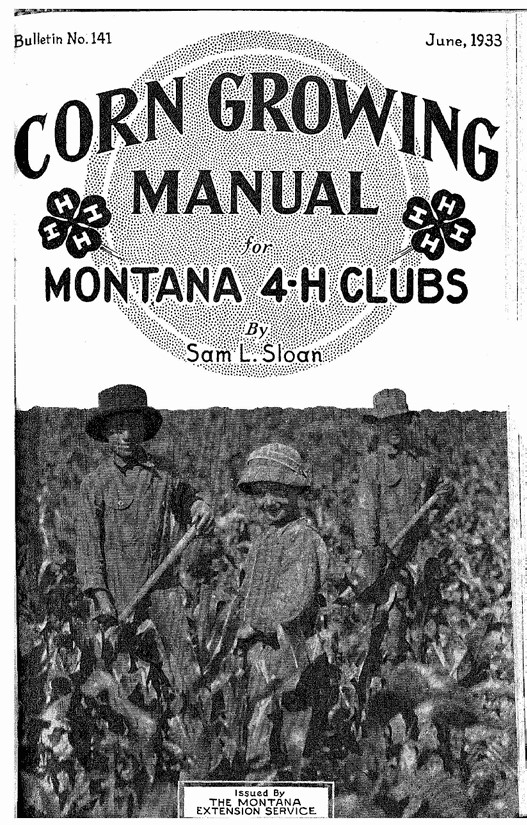
-
Scenes of the National 4-H Club Congress, c. 1920s. | From the report “National 4-H Congress in Chicago, Draft Copy, 2017.” Principal Author, Larry L. Krug, National 4-H History Preservation Program leadership team member.
Scenes_of_National_4-H_Congress_c._1920s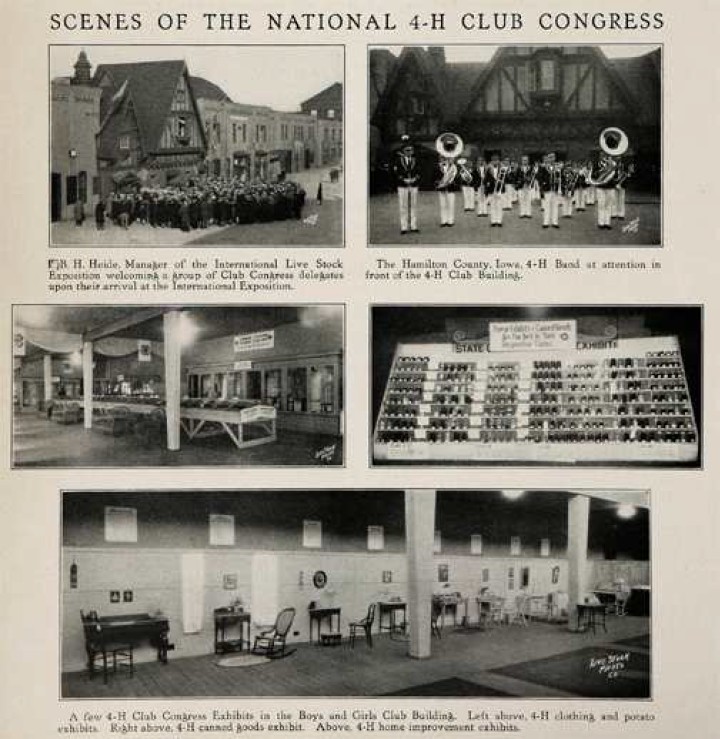
-
“The 4-H Club Beef Calf,” June 1939 | Montana State University Extension Service Historical Publications, Montana State University (MSU) Library, Bozeman, MT
The_4-H_Club_Beef_Calf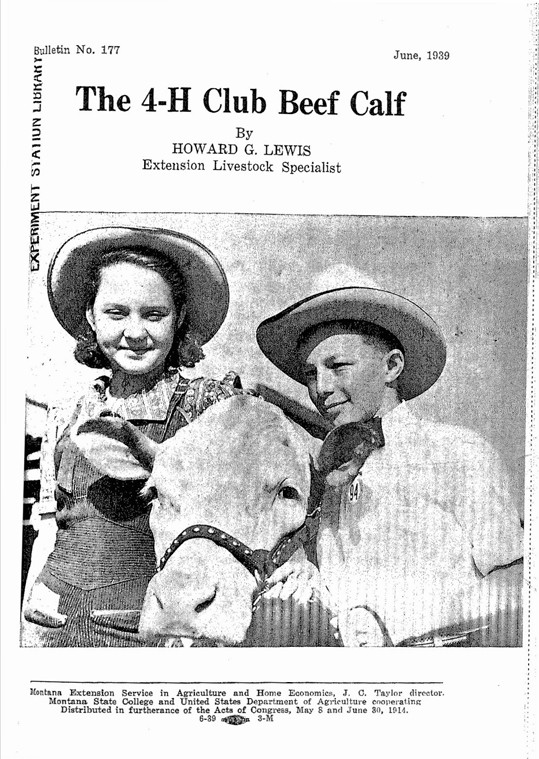
-
Early 4-H members joined project-based “clubs.” | Montana State University Extension Service Historical Publications, Montana State University (MSU) Library, Bozeman, MT
4-H_Clothing_Club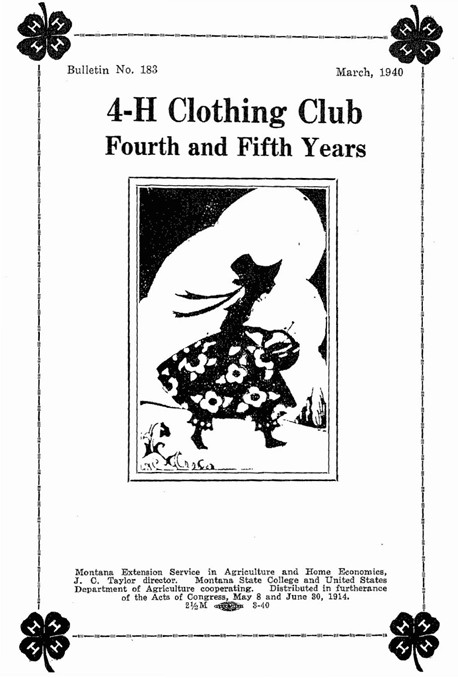
-
Early participants to National 4-H Congress in Chicago were treated to a tour of the Armour packing plant, which included witnessing live animals be slaughtered. | From the report “National 4-H Congress in Chicago, Draft Copy, 2017.” Principal Author, Larry L. Krug, National 4-H History Preservation Program leadership team member.
Armour_banner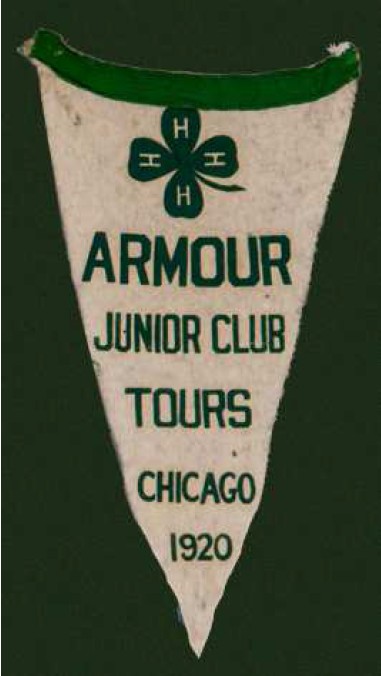
-
Early brochure promoting the “Boys’ and Girls’ Corn Club for Montana” | Montana State University Extension Service Historical Publications, Montana State University (MSU) Library, Bozeman, MT
Boys_and_Girls_Corn_Club_of_Montana