Colorado implements proactive animal inspection requirements to prevent spread of New World screwworm
BROOMFIELD, Colo. — The Colorado State Veterinarian proposed, and the Commissioner of Agriculture adopted, upon the Colorado Agricultural Commission’s recommendation, an emergency rule to control the spread of New World screwworm (NWS) into Colorado. This action follows detections of NWS in Texas and New Mexico.
NWS is a threat to all warm-blooded animals, including livestock, pets, wildlife and occasionally people. This emergency rule is part of the Colorado Department of Agriculture’s One Health response to the NWS. Vigilance in monitoring for myiasis is critical, and early detection is key. A NWS infestation can be treated, but early detection is important to ensure animals can recover. The New World screwworm does not pose a food safety risk, and the U.S. food supply continues to be safe.
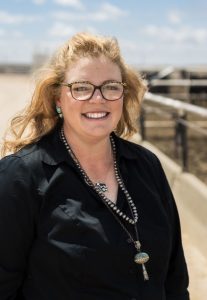
“This emergency rule is a vital step in safeguarding the health and well-being of all of Colorado’s animals, including livestock, companion animals and wildlife,” said Colorado State Veterinarian Dr. Maggie Baldwin. “By working with veterinarians and animal owners to implement these protective measures, we can mitigate the impact of the New World screwworm on Colorado animals. By strengthening our requirements for veterinary inspections before animal movement into Colorado, we are ensuring a safer, healthier future for all animals across our state.”
The rule stipulates that no animal with NWS myiasis may enter Colorado. It also follows USDA’s NWS Continuity of Business guidance which requires specific movement protocols for livestock originating from an NWS Infested Zone. The USDA defines the Infested Zone as a 20 km (12 mile) radius from a confirmed detection.
RESTRICTIONS
The emergency rule includes the following restrictions on all warm-blooded animals coming to Colorado from Infested Zones:
- Animals from an Infested Zone must enter Colorado only with approval and a Certificate for Movement from the state animal health official in the state of origin.
- Movement certificates must be submitted with a Certificate of Veterinary Inspection.
- Animals must be inspected by an authorized veterinarian/official within five days prior to movement.
- Animals with open wounds (without myiasis) must be treated with an authorized product within 14 days prior to movement (slaughter-bound animals are exempt from treatment but must be slaughtered within 72 hours).
- An entry permit must be requested from the Colorado State Veterinarian’s Office at (303) 869-9130 within 48 hours of movement.
- Upon arrival in Colorado, animals must be inspected by an authorized veterinarian or official.
- Standard interstate movement requirements (as listed through CDA’s Animal Import Tool) must still be met.
Additionally, the emergency rule establishes critical protections for cats and dogs, requiring additional inspection protocols within five days prior to their entry into Colorado if they originate from states with active NWS Infested Zones. Owners and facilities must ensure companion animals are examined for any signs of the screwworm, particularly open wounds, which must be treated according to authorized guidelines before movement. This preventative measure is essential to curbing the potential spread of this pest among household pets.
Livestock and pets traveling into Colorado from areas that are not in the Infested Zone must continue to follow the state’s animal import requirements.