NAWG on Undersecretary Ibach’s nomination and farm bill

Ibach-RFP-100526
The National Association of Wheat Growers said their members need certainty when it comes to trade and they’re confident in the nomination of the incoming Under Secretary for Trade and Foreign Agricultural Affairs at the U.S. Department of Agriculture.
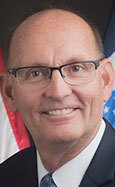
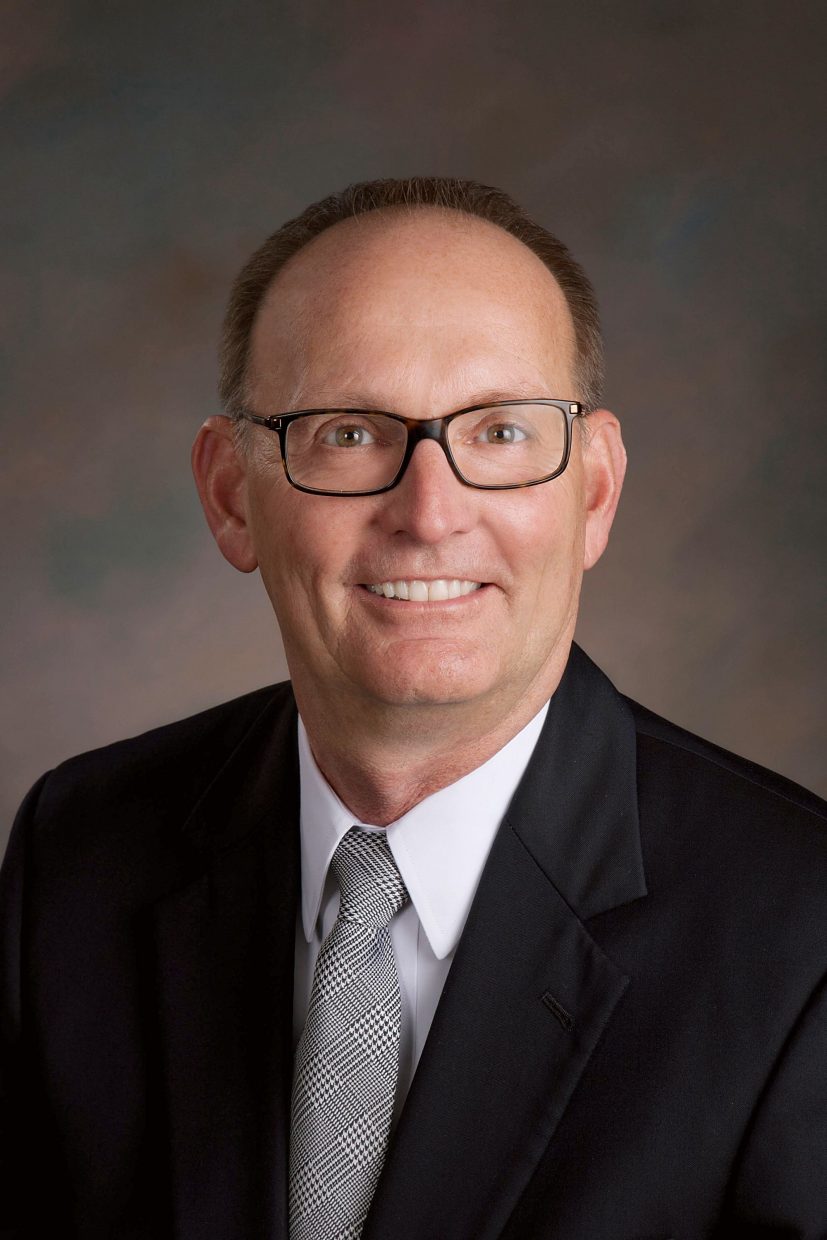
Greg Ibach, the nominee for the important trade post, is a lifelong farmer and experienced leader, having served in the first Trump administration. NAWG CEO Sam Kieffer said Undersecretary Ibach understands what it takes to make a farm profitable through his extensive background in farm finance.
“This is not new to him, nor is Washington, D.C.,” Keiffer said. “When he worked in the first Trump administration, he saw a lot of USDA, he knows the players, and as the longest serving agriculture director from Nebraska, he also understands trade and how to work with people. He led several trade missions as ag director in Nebraska, trying to open new markets and build reliable partnerships.”
He said Ibach also has extensive experience working with National Association of State Departments of Agriculture.
“He’s ready to go on day one, and that’s what American agriculture, including wheat, needs,” Kieffer said. “We’re looking for a leader who is ready to step in, follow what (past undersecretary) Luke Lindberg started, and open more markets and build new relationships.”
A SEAT AT THE TABLE
Kieffer said agriculture needs a seat at the collaborative table and NAWG is encouraged that Undersecretary Ibach will have a seat at that table.
“We need certainty,” he said. “The good news is U.S. wheat continues to be a highly sought after product in the global marketplace from a quality standpoint, but we need more markets, we need to continue to leverage MAP (Market Access Program) and FMD (Foreign Market Development) programs with USDA for that partnership to continue and move U.S. commodities overseas.”
He said energy is also needed behind the Food for Peace program under the USDA and collaborative partnership with the U.S. Committee for Refugees and Immigrants food program.
Ibach faces Senate confirmation now, and NAWG looks forward to his confirmation so his efforts can be focused on the Market Access Program, Foreign Market Development Program, and Foreign Food Assistance Program to expand markets and help get U.S. wheat to customers around the world.
HIGH COST OF PRODUCTION
In terms of input costs, Kieffer said grower concern surrounding what he calls the stubbornly high cost of production has been of great concern for over a year.
“The $7 diesel is not sustainable,” he said. “You can not run a farm long term, especially during harvest and planting season. It’s unfortunate and frankly, it’s unnecessary. If we can iron out some of these geopolitical wrinkles, we should be able to bring down the cost of fuel, not just for farmers but the entire country. Input costs are unsustainable, and growers are fatigued with the usual response from elected and appointed officials. Our growers are looking for more than just a nod. Our growers are looking for elected officials to take meaningful action to bring down the cost of inputs.”
Certainty around farm policy and trade, he said, is also needed.
“Growers showed me input receipts this week for their fuel costs and fertilizer costs from 2018 to now and it’s unfortunate, it literally brings a tear to your eye,” he said.
He said with the recent expiration of the farm bill, another extension is not what growers need. The last farm bill was written in 2018, and that farm bill was written based on data and information that was three or four years old at the time.
“As we were doing some quick comparison, it is night and day,” he said. “Keep in mind, 2018 is before the supply chain crunch of COVID. It’s 100% increases in fuel, and more than that in fertilizer. It’s unsustainable what growers are experiencing right now.”
He said growers need Congress to return after the midterms because farmers are operating on safety nets and numbers from 2014, more than a decade ago and in a vastly different environment.
“They need to roll up their sleeves, just like farmers do, solve problems, and get this job done,” he said.