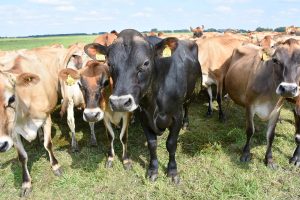
Heat stress can cause hidden threats that affect livestock performance
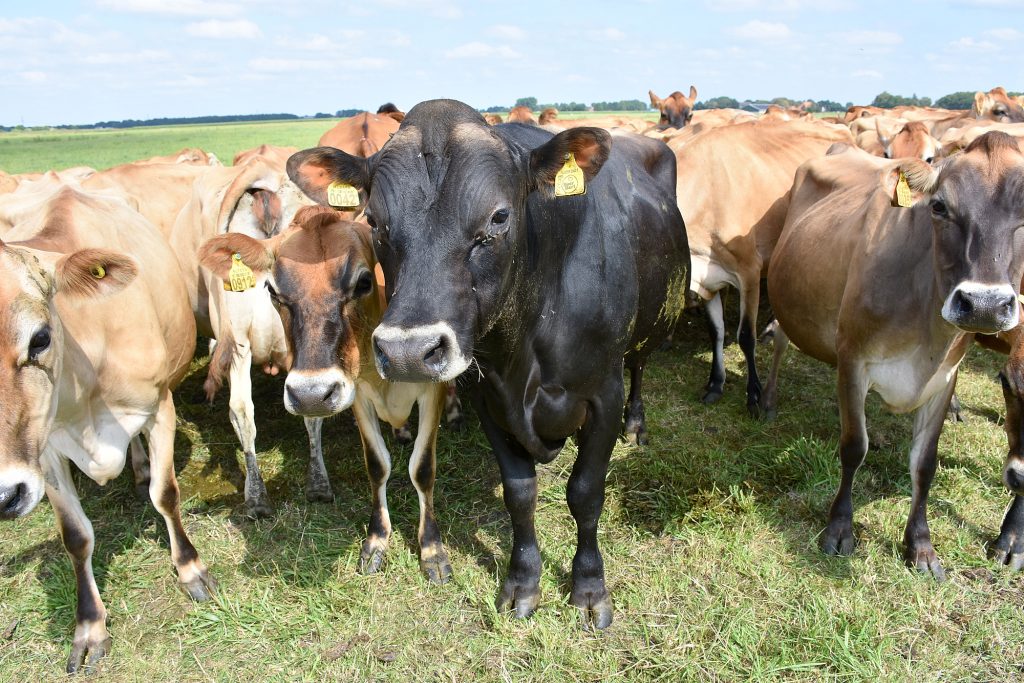
HeatStress-RFP-072026
With El Nino unmasking itself again and the mercury is rising, farmers across the world are being advised to protect livestock from heat stress to prevent further health issues.
Soaring temperatures are well known to reduce feed intake and lower performance levels, but it’s the hidden threats that could cause the most harm.
Experts warn the greatest threats may actually come from damage to gut health, weakened immunity and increased oxidative stress, all of which can affect growth rates, fertility and immune function.
The issue can be further compounded at this time of year, when grazing livestock may already be receiving lower levels of trace elements such as cobalt due to seasonal declines in pasture. Combined with reduced feed intake during hot weather, this can leave animals increasingly vulnerable to deficiencies.
Animal health product specialist Nia Williams from Nettex said maintaining trace element intake is a key part of helping livestock remain resilient during periods of extreme heat.
Williams said, “One of the biggest challenges during hot weather is that livestock naturally reduce their feed intake. That means they are consuming fewer trace elements and vitamins at a time when their bodies actually need greater nutritional support to cope with the physiological effects of heat stress.”
OXYGEN AND ENERGY
When cattle and sheep become overheated, blood flow is redirected away from the digestive tract towards the skin to help dissipate heat. This reduces the supply of oxygen and energy to the cells lining the gut and weakens the tight junctions which hold these cells together. When this happens, bacteria and toxins can enter the blood stream, a condition known as leaky gut.
“This can trigger widespread inflammation as the immune system responds to invading toxins. As a result, energy is diverted away from growth, milk production and reproduction, while animals may also experience reduced feed efficiency, digestive upset and poorer nutrient absorption,” Williams said.
Heat stress also increases the production of free radicals in the body, placing animals under greater oxidative stress. Without sufficient antioxidant defenses, cells become more vulnerable to damage, affecting overall health, performance and recovery.
Research shows that optimizing trace mineral nutrition can help livestock better cope with these challenges. Zinc supports intestinal integrity by maintaining the tight junctions of the gut wall, while selenium, alongside vitamin E, plays a vital role in the body’s antioxidant defense system, helping to reduce oxidative stress.
“Supporting animals with highly bioavailable trace elements during periods of heat stress helps maintain gut function, supports immune health and strengthens natural antioxidant defences,” Williams said. “Combined with good management practices, it can significantly improve resilience during challenging weather conditions.
“Now is a critical time. Heat stress doesn’t just affect animals in the short term, it can have lasting consequences.
“For example, high temperatures can affect fertility. In rams, sperm production takes around two months, while in ewes, follicle development takes around six months. As a result, the impact may not become apparent until the autumn breeding season.
“Alongside providing shade, plenty of fresh water and reducing handling during the hottest parts of the day, farmers should also review their nutritional program to ensure livestock continue to receive adequate trace elements and vitamins, even when feed intake declines,” Williams said.