Trump rescinds Public Lands Rule

The Trump administration announced a final rule to rescind the Biden-era Conservation and Landscape Health rule, also known as the Public Lands Rule, alongside a landmark proposed rule to reform the Bureau of Land Management’s grazing regulations. According to the Public Lands Council, individually, these actions are consequential to cattle and sheep producers across the West; together, they are a clear signal of BLM’s commitment to restoring effective multiple-use management and the agency’s investment in promoting strong rangeland resilience.
The Public Lands Rule, first proposed in 2023, would have complicated the balanced partnership between federal agencies and all multiple uses on those public lands. In 2024, the Bureau of Land Management sought to allow conservation to rise above the level of all other multiple uses, essentially locking public lands from use. The rule was created without Congressional direction or consent.
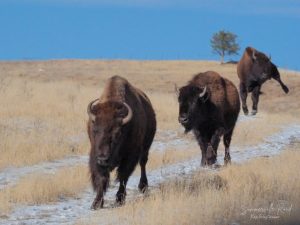
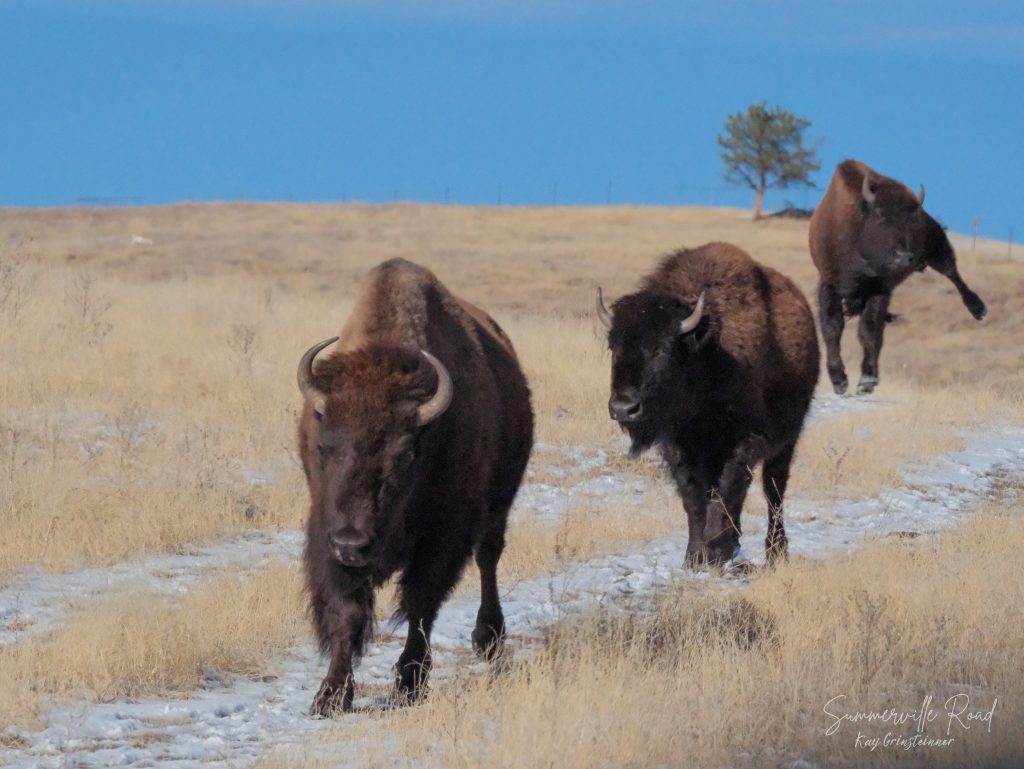
The rescinding of the rule also came with a landmark proposal to modernize BLM grazing regulations from rules that were made in response to the “grazing free by ’93” movement. The repeal removes the conservation leases that prioritized non-use; recognize grazing formally as a primary tool for reducing fuel loads and preventing wildfires; and provide “adaptive management” power, allowing ranchers to respond to weather and forage changes without waiting for lengthy federal approval. It also requires permit holders to be actively engaged in livestock production, something that was illustrated in real time with the recent removal of Montana BLM permits from American Prairie, a rewilding group that grazes bison for conservation rather than production.
PICKING WINNERS AND LOSERS
Tim Canterbury, a Colorado permittee and president of the PLC said ranchers have been clear with the current administration that it was necessary to remove policies that he said illegally pick winners and losers in public land management.
“For far too long, BLM has been operating under a set of rules that were developed in response to the ‘cattle free by [19]93’ campaign,” Canterbury said. “The resulting regulations all but ensured ranchers did not have the flexibility to take full advantage of the scientific and management advances that the industry has made over the last 35 years. PLC called on the administration early in their term to incorporate principles of adaptive management into these regulations. Cattle and sheep producers — and the agency line officers they work with — should have the flexibility to make the best possible management decisions for the land, water, and permit conditions, unconstrained by antiquated regulations. Today’s announcement is a massive step forward.”
PLC led industry efforts to repeal the Public Lands Rule since it was initially finalized in 2024, including through congressional resolutions of disapproval and seeking legal remedies for the harm that would have been done to public lands ranchers and the resources they manage. The PLC said the rule was not only illegal, but it would also have enabled the federal government to remove family-owned livestock operations from working lands and increase the risk for catastrophic wildfires by leaving countless acres of rangeland unmanaged.
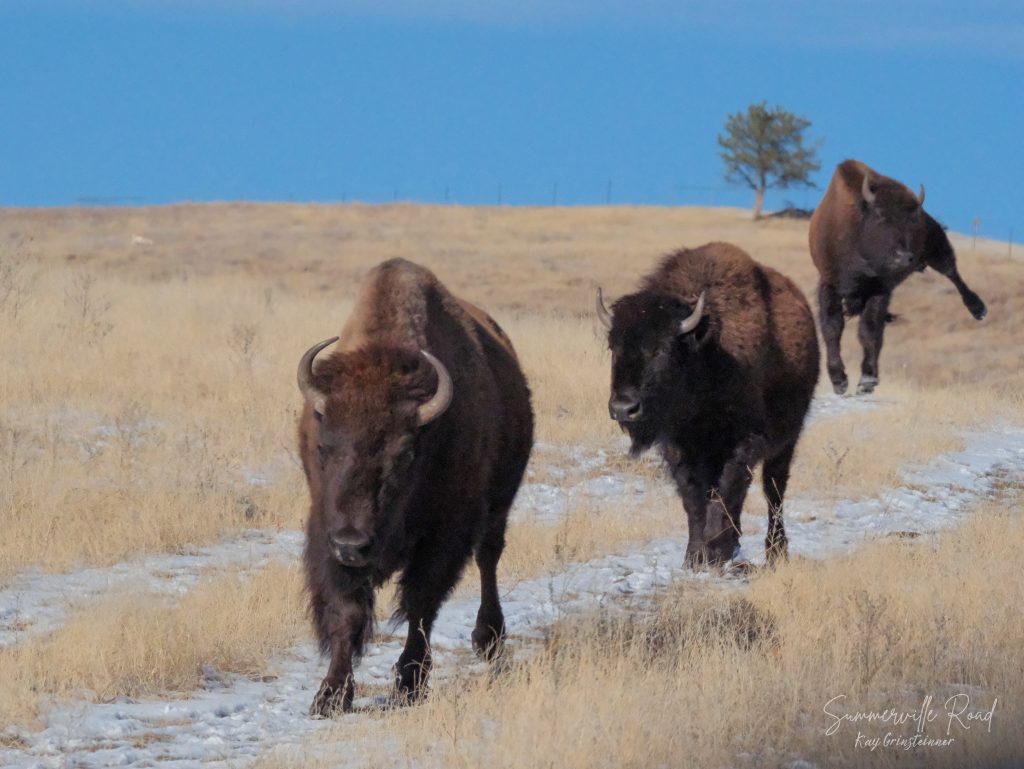
As for permittees being actively engaged in livestock production, the BLM issued a final decision on May 8 to rescind grazing permits for seven allotments in Phillips County, Montana, held by rewilding organization American Prairie.
The Taylor Grazing Act was passed in 1934 and named for Colorado Rep. Edward Taylor. The act created grazing districts where use was apportioned and regulated and sought to end the range wars between cattlemen and sheep producers by ensuring land availability.
TAYLOR GRAZING ACT
Under the Taylor Grazing Act, the BLM may authorize grazing only for domestic livestock managed primarily for production‑oriented purposes. After reviewing the administrative record, applicable law, and American Prairie’s own materials and public statements, the BLM concluded that American Prairie manages its bison as wildlife used primarily for conservation and ecological restoration rather than as a production‑oriented domestic livestock operation.
American Prairie claims the bison are treated “like cattle” in that they are tagged and vaccinated and the meat is donated. However, the BLM said the organization has consistently been clear that its primary management focus is conservation and an effort to restore wild populations and reestablish natural ecological processes. Under federal law, only production‑oriented livestock operations qualify for BLM grazing permits, and the BLM lacks statutory authority to authorize the bison grazing previously permitted on these allotments.
“Public lands are central to the strength and success of America’s ranching and livestock communities,” said Acting BLM Director Bill Groffy. “Consistent with the principles of the Taylor Grazing Act of 1934, the Department of the Interior is committed to responsible stewardship that keeps these lands productive for grazing, supports rural economies, helps feed communities at home and abroad, and preserves the ranching traditions that have defined the American West for generations.”
The final decision rescinds bison grazing authorizations, issues cattle‑only permits where appropriate, and provides for an orderly transition period for the removal of bison from public lands by Sept. 30, 2026. The decision applies only to these seven allotments and does not affect other permit holders, treaty rights, tribal grazing authorizations or tribal bison herds.
American Prairie, along with any other adversely affected party, may appeal the decision to the Department of the Interior’s Office of Hearings and Appeals, as outlined in the decision’s right of appeal.
In a statement, the BLM clarified that hundreds of bison are not being evicted in Montana, they are “simply rescinding grazing authority for American Prairie’s bison under these permits and does not preclude American Prairie’s herd from occupying their private land. The Department of the Interior continues to support bison conservation and management efforts across federally managed lands, in partnership with tribes and state governments, regardless of the status of any individual grazing permit.”
The Interagency Bison Management Plan continues to guide the management of the nation’s only continuously wild bison herd in Yellowstone National Park to prescribe conservation, migration management and disease prevention in coordination with the State of Montana, tribal nations and federal agencies. Tribal conservation programs, including the Fort Peck Assiniboine and Sioux Tribes’ quarantine and restoration efforts and the Confederated Salish and Kootenai Tribes’ management of the National Bison Range, also remain active and ongoing. The BLM continues to permit 8,831 bison as domestic livestock on federally managed grazing allotments.
In a release, American Prairie condemned the final decision, calling the move a politically motivated reversal that threatens decades of established public land management practice and jeopardizes bison restoration efforts nationwide. AP said in 2022, the BLM authorized their permits to graze bison on 63,000 acres of public land.
AP CEO Alison Fox said the decision creates uncertainty for tribal buffalo restoration, conservation partnerships and public lands grazing.
“American Prairie has lawfully grazed bison on BLM lands for more than 20 years, complying with every rule, regulation and permit requirement,” Fox said. “BLM lawfully issued these permits and recognized that bison are qualified to graze on federal lands under longstanding practice and law. Reversing course now under political pressure undermines trust in the agency’s decision-making and threatens the future of bison restoration across the West.”
The group’s counsel said the agency’s reversal required a novel interpretation of the Taylor Grazing Act and introducing new anti-bison and anti-conservation provisions in order to justify rescinding the permits. AP has filed a formal protest.