USDA tells specialty crop growers to report acres for aid
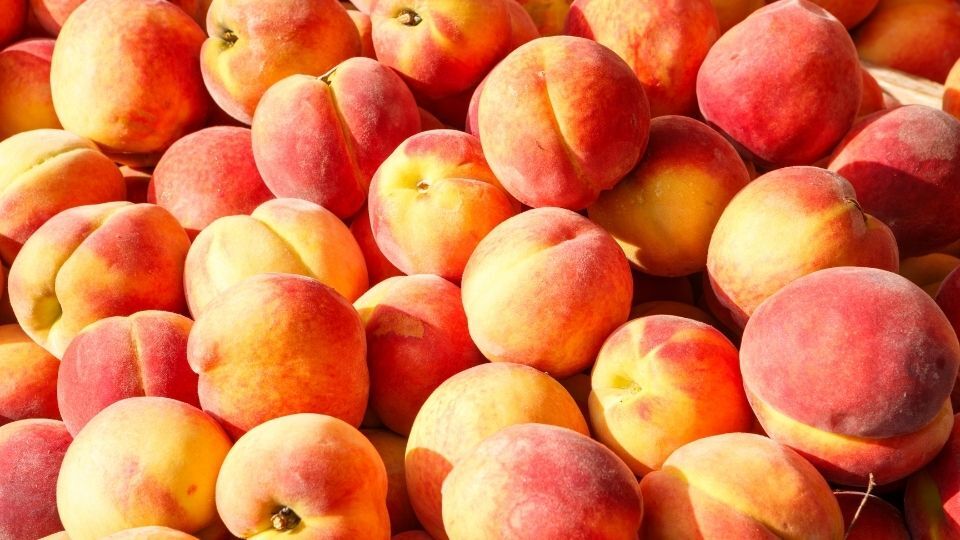
Peaches
The Agriculture Department on Friday told growers of specialty crops they have until March 13 to report 2025 acres to get payments under the $1 billion Assistance for Specialty Crop Farmers Program that the Trump administration has set up to cover crops not covered through the previously announced Farmer Bridge Assistance Program.
Specialty crops include fruits, vegetables, dried fruit, tree nuts, nursery plants and other products.
USDA said, “These one-time bridge payments will help address market disruptions, elevated input costs, persistent inflation, and market losses from foreign competitors engaging in unfair trade practices that impede exports.”
The announcement did not say when farmers would receive the payments.
The announcement also said the ASCF will cover sugar, but it did not say whether beet and cane growers need to report their acreage. A USDA spokesperson said, “More information around sugar assistance will be coming out next week.”
The American Sugar Alliance, which represents cane and beet growers, said it would not issue a statement until USDA releases more information on aid to sugar growers.
In her statement, Agriculture Secretary Brooke Rollins did not mention sugar.
“President Trump has the backs of our farmers, and today we are building on our Farmer Bridge Assistance program with the Assistance for Specialty Crop Farmers Program. Our specialty crop producers continue to feel the negative effects of four years under the Biden administration, suffering from record inflation, a depleted farm safety net, and delayed disaster assistance,” Rollins said.
“President Trump and the entire cabinet are working every day to fight bidenflation and lower prices for consumers. If our specialty crop producers are not economically able to continue their operations, American families will see a decrease in the food they rely on, wholesome and nutritious fruits and vegetables. Putting farmers first is essential to the Make America Healthy Again movement, and we are doing both at USDA by expanding market opportunities and improving the farm economy for all producers. Today’s specialty crop announcement builds on our efforts to improve markets for real food into American schools, institutions, and family dinner tables,” Rollins said.
The Assistance for Specialty Crop Farmers Program is authorized under the Commodity Credit Corporation Charter Act and will be administered by the Farm Service Agency.
In a news release, USDA listed the specialty crops eligible for assistance and said dry edible beans and peas covered by the FBA will not be eligible for ASCF.
The Specialty Crop Farm Bill Alliance said in a statement, “We are still reviewing the details of today’s announcement and will be reaching out to USDA for additional clarity. President Donald J. Trump’s widely successful CFAP-2 program provided essential aid to family farms during his first term, and as we wrote to the president on Oct. 6, 2025, CFAP-2 should be the model for providing economic aid to America’s specialty crop producers. That approach also has broad bipartisan support in Congress. It was recently endorsed by more than 100 bipartisan members of Congress in a letter to the leaders of the U.S. House and U.S. Senate Agriculture Committees on Dec. 18, 2025, and it has been included in bills introduced this year by both Chairman G.T. Thompson and Ranking Member Angie Craig.”
The group added, “The hard truth is that even with today’s announcement, more help is needed, which is why we continue to urge Congress to provide not less than $5 billion in dedicated aid for the specialty crop sector. This support is critical to the continued sustainability of American agriculture and the communities specialty crop producers serve.”
The SCFBA is composed of 150 organizations and is co-chaired by Cathy Burns, CEO of the International Fresh Produce Association; Mike Joyner, president of the Florida Fruit & Vegetable Association; Dave Puglia, president and CEO of Western Growers; and Kam Quarles, CEO of the National Potato Council.
Senate Agriculture Committee Chairman John Boozman, R-Ark., said in a news release, “This program continues the commitment made by President Trump and Secretary Rollins to help rural America in this extremely challenging environment. While this support is meaningful, we know more help is needed. I’m committed to working with my colleagues to secure additional farm assistance that delivers robust support for specialty crop growers and farmers across the country.”